
 Kathrine Frich
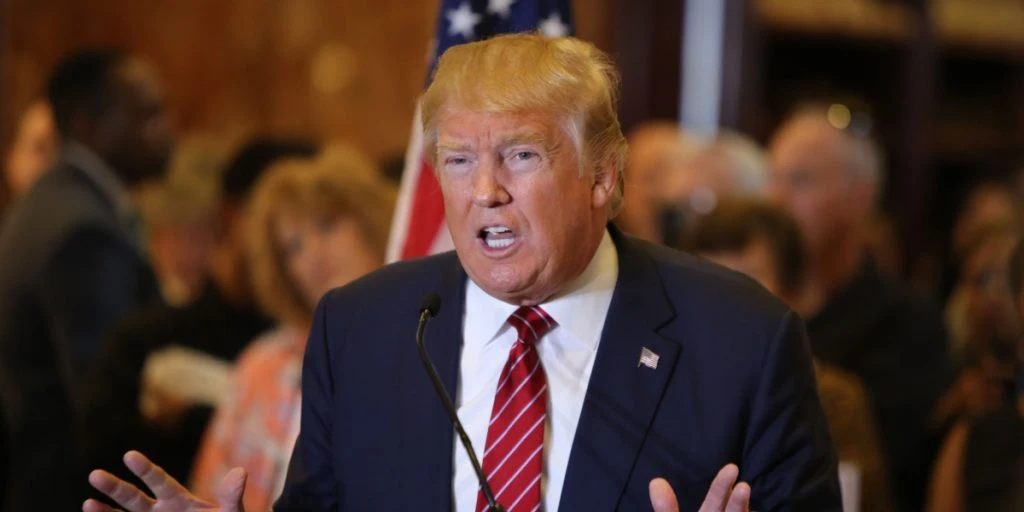
Countries around the world are reassessing their economic alliances.


With the United States taking a more confrontational approach under President Donald Trump, longtime partners are beginning to chart their own course.
Now, a new coalition is emerging that could reshape the global trade system.
A new alliance
Nearly 40 countries, including the European Union and members of the Indo-Pacific CPTPP bloc, are working together to respond to shifts in U.S. trade policy.
According to Politico cited by Onet, the initiative is being led by Canadian Prime Minister Mark Carney, who is positioning Canada as a key player in efforts to stabilise global trade.


The group aims to either reform the World Trade Organization or, if that proves impossible, create an alternative framework.
Trade system under strain
The WTO has faced growing challenges in recent years, particularly after the United States blocked its dispute settlement system and imposed tariffs that critics say undermine its rules.
John Ferguson of Economist Impact told Politico: “Ironically, it is Donald Trump, the man who set the old rules-based order on fire, who may unwittingly become the catalyst for a renewed, rules-based global trading order.”
He added that while the current system may be weakening, new agreements between major economies could form the basis of a more resilient structure.
Talks between the EU and CPTPP countries are expected to focus on key areas such as digital trade, supply chains and investment rules.
Diplomats told Politico that a joint statement on WTO reform is being prepared, with discussions ongoing over its final content.
European and Indo-Pacific officials say closer cooperation is necessary to maintain a rules-based system, particularly as consensus within the WTO remains difficult.
Strategic shift
Canada has played a central role in bringing together so-called middle powers to address what officials describe as a fracture in global trade.
Experts say this growing cooperation reflects a broader shift, with countries seeking to reduce reliance on U.S. leadership.
“This is not about replacing the WTO, but about creating a complementary platform,” said Vina Nadjibulla of the Asia Pacific Foundation of Canada.
Analysts say a successful agreement between these economies could weaken U.S. influence over global trade.
Ferguson warned that such a move would represent “a direct blow to the Trump administration.”
The developments highlight an increasingly fragmented global landscape, where traditional alliances are being redefined.
Sources: Politico, Onet.



