
 Kenneth Glad
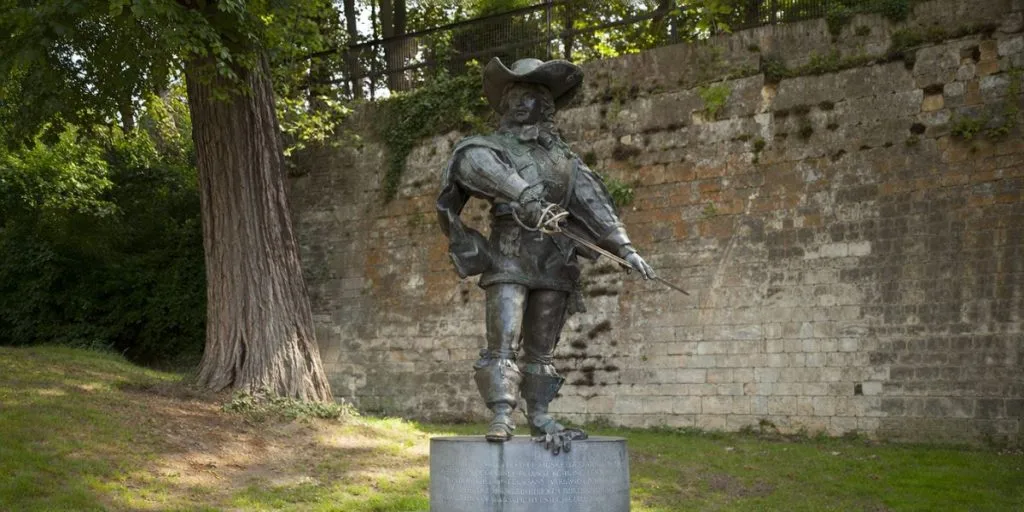
A discovery beneath a church floor in the Netherlands is stirring debate among historians and scientists. The remains found there might belong to one of France’s most famous soldiers. Or they might not. That uncertainty is driving the investigation as much as the discovery itself.

Researchers are turning to DNA testing to establish the identity of the skeleton, though results are far from guaranteed. As the BBC reports, genetic material from remains this old is often degraded, and confirmed relatives for comparison are difficult to trace.
That means even a detailed analysis may stop short of a definitive answer.
The case has drawn attention partly because of how d’Artagnan is said to have died. Historical accounts describe a fatal musket shot to the throat during the 1673 siege of Maastricht, a detail that investigators are weighing alongside physical evidence.
Some experts, however, urge caution early on. Battlefield conditions and later relocations of bodies were not unusual in 17th-century Europe, complicating efforts to match remains to specific individuals.


Reading the clues
The skeleton was uncovered inside the Church of St. Peter and Paul, in a section where an altar once stood, according to BBC‘s coverage. The location has long been linked to claims that the French officer was buried there after the siege.
Deacon Jos Valke, who has followed the excavation closely, described the moment of discovery: “We fell silent when we found the first bone.”
He points to several elements he believes support the identification. The burial took place in consecrated ground, and a musket ball was recovered at the site. In a separate find, a coin dated 1660 was also discovered in the grave.
Valke suggests the coin may be tied to a bishop connected with Louis XIV’s court, though archaeologists note that such objects can circulate widely and are not definitive proof on their own.
A story grounded
The BBC notes that while d’Artagnan was a real military figure, his global fame stems from Alexandre Dumas’ novels, where he appears alongside the fictional Three Musketeers.
If the remains are confirmed, the discovery would anchor a widely known name to a specific place. Visitors could point to a grave rather than a page in a book.
For now, researchers are working through samples and records, trying to piece together a life from fragments left behind.
Sources: BBC



