
 Kenneth Glad
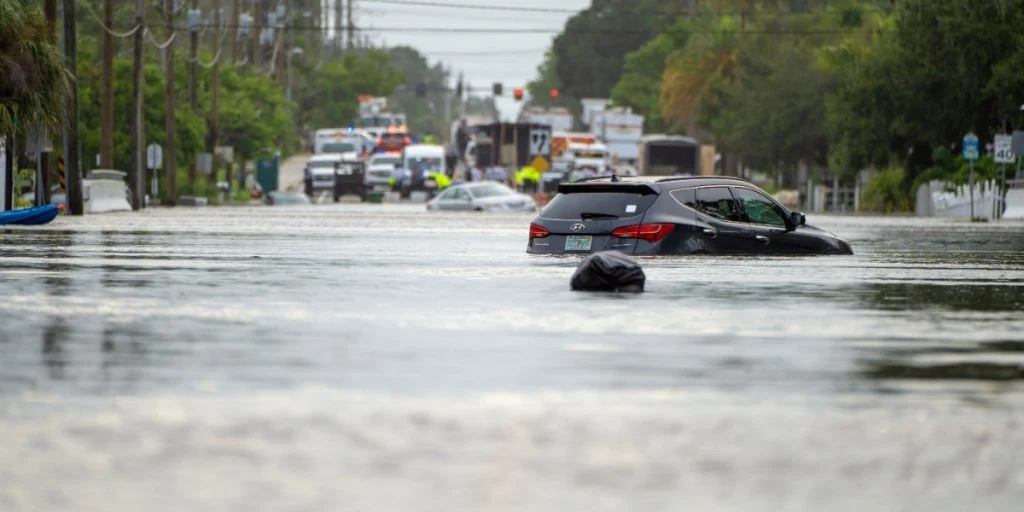
Forecasts offer an early glimpse into what the coming season may hold, but they rarely tell the full story. Conditions can shift quickly, leaving outcomes uncertain until storms begin to form.


The early outlook for the 2026 Atlantic hurricane season suggests slightly lower activity than usual. That might sound reassuring, but forecasters are not reading it that way.
What matters more is where storms go and how fast they build. One well-placed hurricane can still define the entire season.
AccuWeather meteorologists estimate 11 to 16 named storms could form this year, with up to five expected to make landfall along the US East Coast or Gulf states.
Hard to call
Seasonal forecasts sketch the big picture, but they leave out the details people care about most. Track, timing and intensity often shift at the last minute.


Warm ocean water is again part of the setup. It gives storms extra fuel, sometimes allowing them to strengthen quickly just before landfall.
Alex DaSilva, AccuWeather’s lead hurricane expert, said forecasts should not change how people prepare: “It’s very important that everybody from South Texas all the way to Maine prepares equally for each and every hurricane season, regardless of the forecast.”
He added: “Even if it’s expected to be a slightly below average hurricane season, we can still see major hits across the United States.”
Familiar pressure points
The same coastal stretches remain exposed year after year. That has not changed.
States along the Gulf and parts of the eastern seaboard, including Florida, Louisiana, Mississippi, Alabama, and Virginia, are again in focus.
Emergency officials tend to zero in on landfall risk rather than total storm counts, writes Unilad.. A single storm hitting a dense area can cause outsized damage.
DaSilva put it bluntly: “There is no reason to let your guard down this year. It only takes one storm to cause major damage, disruption and heartache. Review your insurance coverage, safety plans, and local evacuation routes now. Make sure your emergency supplies are stocked up.”
A recent reminder
The 2025 season is a good example of how forecasts can mislead. It was expected to be very active, yet fewer hurricanes actually formed.
But the risk stayed high. Some storms strengthened quickly, giving communities less time to respond. Rapid intensification has become a growing concern for meteorologists in recent years.
In guidance on the strongest storms, the National Weather Service states: “A high percentage of framed homes will be destroyed, with total roof failure and wall collapse.”
In practical terms, that means whole areas can be cut off, with power down for weeks and recovery stretching for months. That is why forecasters keep coming back to the same point: it only takes one.
Sources: UNILAD, AccuWeather, National Weather Service



