
 Kathrine Frich
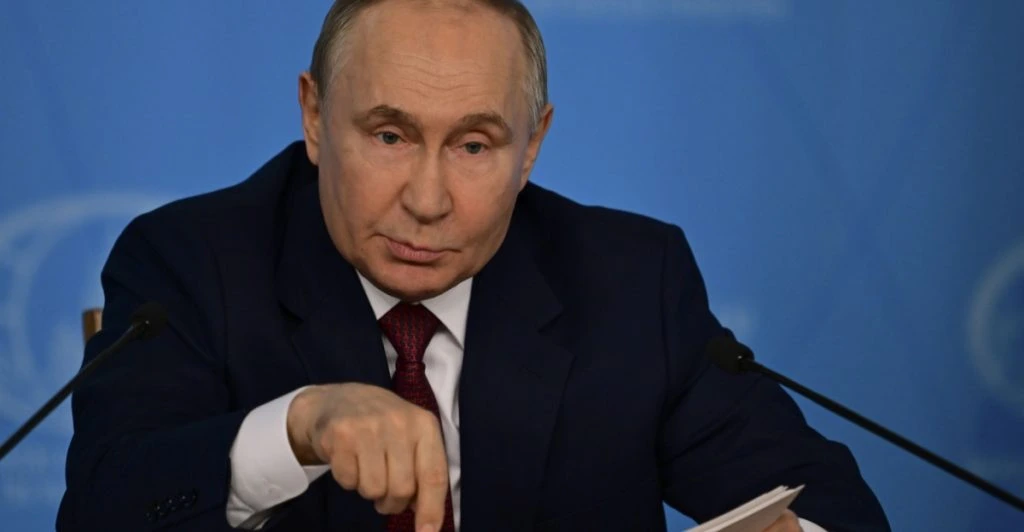
Public opinion in Russia has long been shaped by tightly controlled media and messaging.
Cracks can emerge especially during periods of economic strain and military pressure.
Recent data suggests that such tensions may now be surfacing more openly.
Falling support
A survey conducted by the Kremlin-linked Public Opinion Forum found that trust in President Vladimir Putin fell from 76% to 71% between March 27 and 29, according to analysis by the Institute for the Study of War (ISW) cited by O2.
ISW described this as the sharpest decline recorded since 2019.


The drop comes at a time of increasing pressure inside Russia, both economically and politically.
Telegram backlash
Analysts cited by ISW link the decline in support to the Kremlin’s crackdown on Telegram and broader internet restrictions.
Pro-war bloggers and Kremlin-aligned commentators have reportedly voiced frustration over the blocking of the platform.
Telegram founder Pavel Durov said that around 65 million Russians continue to use the app daily, often bypassing restrictions through VPN services.
Rising frustrations
According to ISW, dissatisfaction extends beyond censorship.
Critics have pointed to rising living costs, spending on control measures, and ongoing issues with communication systems for Russian soldiers.
There have also been disruptions affecting banking services, including payment and transfer systems, which have added to public frustration.
Signs of strain
ISW reported that some ultranationalist voices and pro-war commentators have begun acknowledging setbacks in the war.
The analysis suggests concerns are growing over Russia’s ability to compete with Western resources.
Ukraine’s continued strikes on infrastructure, particularly oil facilities, have also contributed to a sense of pressure.
Sources: Institute for the Study of War (ISW), O2.



