
 Kathrine Frich
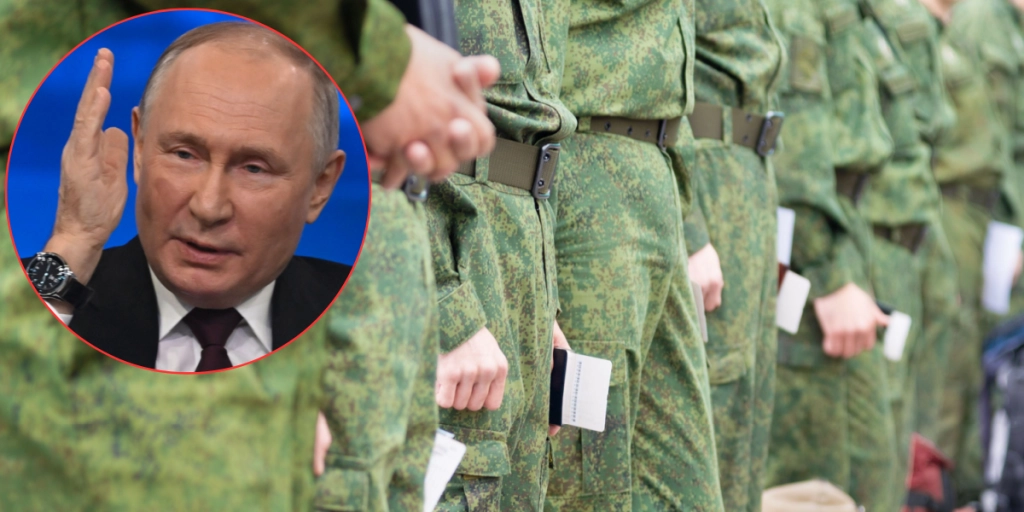
Russia has increasingly turned to unconventional ways to sustain its war effort.

This includes recruiting fighters from parts of Africa and deploying North Korean troops to support operations. These moves highlight the growing strain on Moscow’s manpower as the conflict continues.
Despite these efforts, new data suggests the Kremlin is still struggling to fill its ranks.
Recruitment gap
According to the Institute for the Study of War (ISW) cited by O2, Russia is failing to meet its recruitment targets for 2026.
The military needs between 1,100 and 1,150 new contract soldiers each day to stay on track for its annual goal of 409,000 recruits.


However, data from January to March shows an average of only around 940 contracts signed daily.
Falling short
This shortfall means Russia is struggling to replace ongoing losses at the front.
ISW analysts warn that if the trend continues, it could affect Moscow’s ability to sustain military operations at their current intensity.
Despite efforts to boost enlistment, the number of volunteers appears to be declining.
Incentives rise
To address the gap, Russian authorities have increased financial incentives.
In at least 12 regions, signing bonuses have risen by between 50% and 80% since mid-February.
Officials are also focusing recruitment efforts in the Central and Volga federal districts, as well as in occupied areas of Ukraine.
Pressure tactics
Reports indicate that pressure is also being applied to institutions and businesses.
Russia’s science minister, Valery Falkov, has reportedly instructed universities to ensure that at least 2% of students sign military contracts.
In the Ryazan region, companies have been required to nominate employees for service.
Youth targeted
According to Ukrainian outlet Obozrevatel, recruitment campaigns targeting students have intensified in 2026.
Young people are being told contracts will last “only one year” and involve relatively safe conditions.
More than 200 recruitment events have reportedly been held in schools and universities.
Sources: Institute for the Study of War (ISW), Obozrevatel, O2.



