
 Kenneth Glad
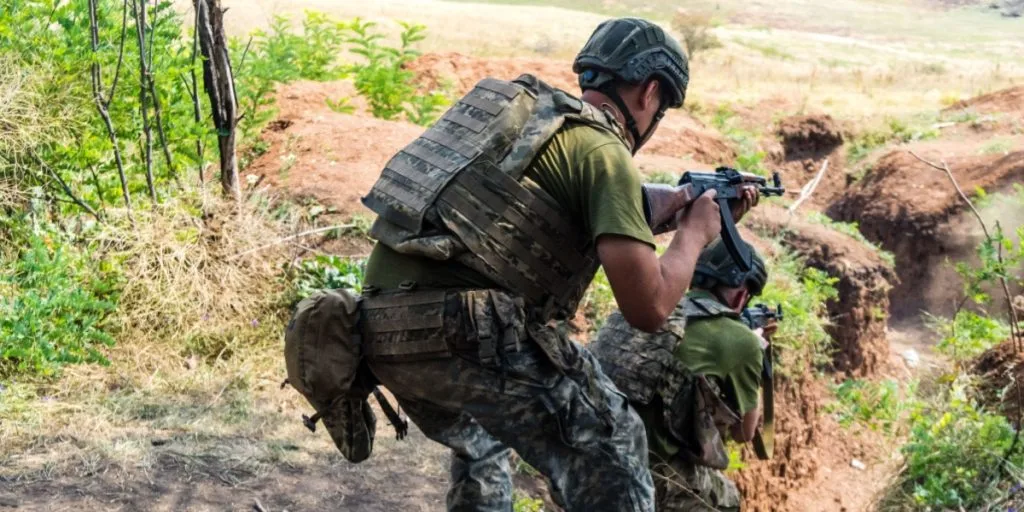
Military training programs are being rapidly adapted as modern combat conditions continue to evolve. New methods and technologies are reshaping how recruits are prepared for increasingly complex battlefields.
Others are reading now


A training ground in Ukraine hums with activity, even as air raid sirens cut sharply through the morning drills.
Recruits pause, wait, then resume. The interruptions are routine now.
This is where civilians are reshaped into soldiers in a matter of weeks, under conditions that increasingly resemble the battlefield itself.
Drones reshape training
The most significant shift in Ukraine’s training comes from the spread of small drones. They hover, observe, and strike, forcing soldiers to think differently about movement and exposure.


Instructor Fara said trainees are taught how to react when spotted by FPV and reconnaissance drones, stressing that survival often depends on seconds.
Training has largely moved back inside Ukraine, allowing faster updates based on frontline experience, as reported by United24. Soldiers returning from combat now pass on lessons almost immediately, rather than waiting for formal doctrine to catch up.
Virtual reality is used early on. Recruits step into simulated trench assaults and defensive scenarios, making decisions under pressure. It’s not the same as real combat, one instructor noted offhand, but it gets close enough to expose mistakes.
Training under threat
The risk to training sites is constant. Russian strikes have made large concentrations of troops a liability, pushing Ukraine to adapt where and how instruction takes place.
At one facility, barracks and classrooms sit partially underground, reinforced against attack. Sirens can sound several times a day. Training stops, briefly, then continues.
In the initial weeks, simulators often replace parts of live-fire exercises. This allows repetition without exposing inexperienced recruits to immediate danger, especially while they are still learning weapon handling and coordination.
Support from groups such as the Come Back Alive Foundation has helped expand protected infrastructure, with entire sections of training complexes now built below ground level.
The limits of time
Ukraine’s basic training program runs for 51 days and includes more than 400 hours of instruction, according to the Ukrainian outlet. The emphasis is practical, moving recruits steadily toward unit-level exercises.
The first hurdle is mental adjustment. Civilians must quickly adapt to structure, pressure, and uncertainty.
“During these initial days of training, psychologists work with them and conduct an adaptation course,” said deputy commander Mykhailo. “It doesn’t start with the most intense activities right away. People gradually adapt and get into the rhythm.”
He also indicated that confusion around mobilization often stems from poor communication, while emphasizing that continued recruitment is essential.
Compared with longer NATO training programs, which can run for several months, Ukraine’s approach is sharply compressed. It prioritizes urgency over depth. Recruits are prepared just enough before moving to frontline units, where learning continues under fire.
What is taking shape here may not remain unique to Ukraine. As drones and rapid adaptation redefine combat, other militaries could face similar pressure to rethink how quickly they train their soldiers.
Sources: United24, Come Back Alive Foundation



