
 August M
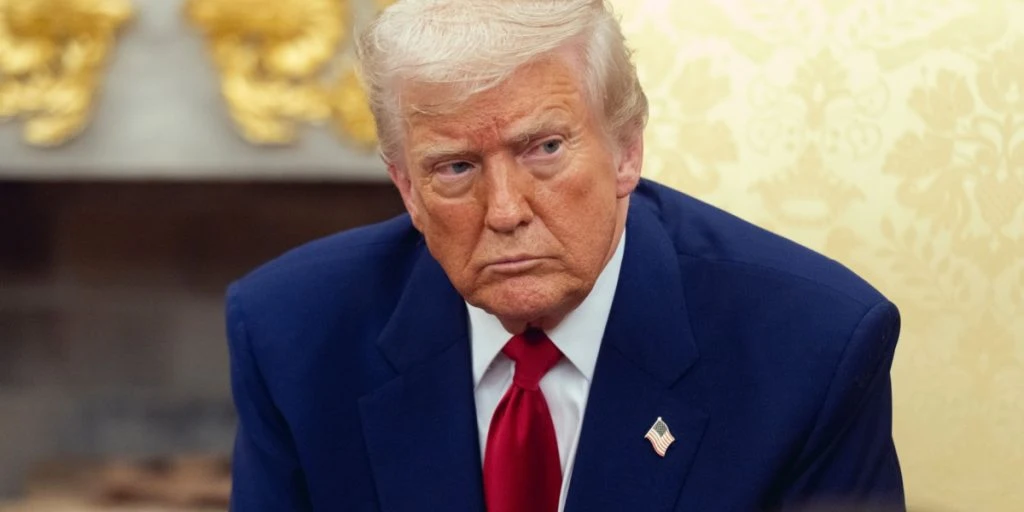
Talk of the United States leaving NATO has shifted from political rhetoric to a real possibility. The idea, once seen as unthinkable, is now being openly discussed at the highest levels.


Such a move could reshape global security and redefine alliances that have existed for decades.
NATO, formed in 1949, was established as a collective defense pact among Western nations to counter Soviet expansion. Today, it includes 32 countries and remains a cornerstone of transatlantic security, reports The Guardian.
At its core is Article 5, which treats an attack on one member as an attack on all. This principle has only been invoked once, after the 11 September 2001 attacks, when allies supported the US in Afghanistan.
Why tensions rising
According to The Guardian, Donald Trump’s latest criticism stems partly from frustration over limited allied backing in US military action against Iran.


However, NATO rules do not require members to support such operations unless a member state is attacked and consultations occur.
Trump has described the alliance as a “paper tiger” and suggested that leaving it is “beyond reconsideration,” signaling a hardening stance.
Longstanding criticism
His skepticism is not new. Trump has repeatedly accused European members of underinvesting in defense and relying too heavily on US protection.
In 2017, he labeled NATO “obsolete,” and later warned that countries failing to meet spending targets might not be defended, even suggesting Russia could act freely against them.
These remarks have unsettled allies and raised questions about the alliance’s future stability.
What NATO provides
The United States plays a central role in NATO, particularly through its nuclear arsenal and extensive military presence across Europe.
Bases in countries such as Germany and Turkey are seen as critical to deterring potential adversaries.
NATO has also been involved in major operations, from Kosovo in 1999 to ongoing support for Ukraine, which has helped slow Russia’s invasion, The Guardian reported.
Can he actually leave?
Legally, withdrawing the US from NATO is not straightforward. A 2024 law requires either a two-thirds Senate majority or approval from Congress.
Still, experts warn that a president could weaken the alliance without formally exiting it.
Former US ambassador to NATO Ivo Daalder suggested that troop withdrawals or removing US leadership from NATO structures could effectively undermine commitments while staying within formal rules.
Global implications
Russia has long opposed NATO’s expansion, with President Vladimir Putin seeking to weaken ties between the US and Europe.
A reduced US role could leave Eastern European members more exposed to future threats.
While Trump argues the alliance is ineffective, NATO’s continued role in deterrence and joint defense suggests otherwise, highlighting the stakes involved in any potential withdrawal.
Sources: The Guardian



