
 Kenneth Glad
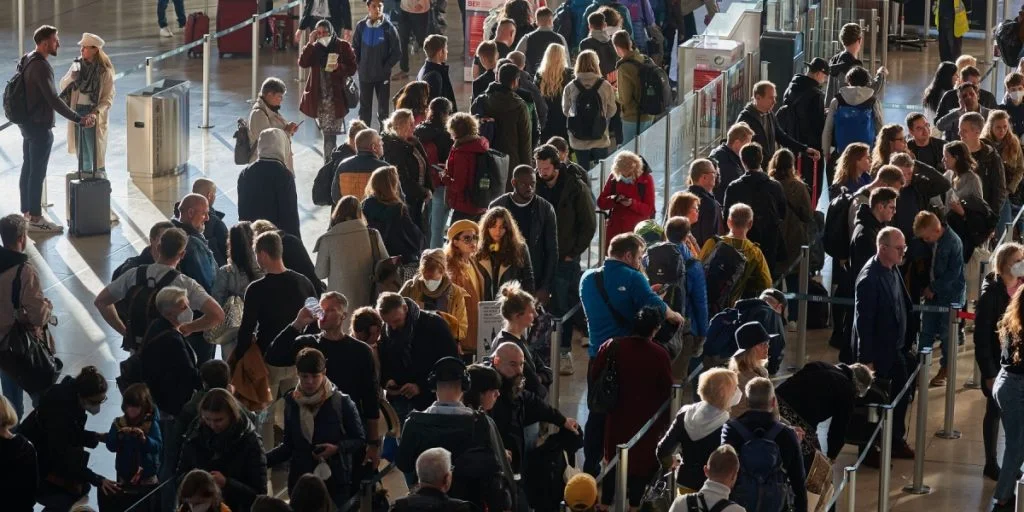
At some of the continent’s busiest airports, arriving passengers are finding a new routine waiting for them. Instead of a quick passport stamp, many are being directed into longer lines and digital screening points. For Americans heading overseas this year, the change is immediate and, at least for now, slower.


In cities like Paris and Amsterdam, early rollout pressures are already visible. Airport operators say the added screening steps are creating bottlenecks, particularly during morning and late afternoon peaks when long-haul flights land in clusters.
A joint statement from ACI Europe and Airlines for Europe noted that “waiting times are now regularly reaching up to two hours at peak traffic times, with some airports reporting even longer queues.”
The timing is significant. The Entry/Exit System (EES) is being fully introduced between April 10 and April 12, just ahead of the busy summer travel season when transatlantic passenger numbers typically surge.
Inside the new system
The new process replaces manual passport stamping with a digital registration carried out at the border. Travelers are asked to pause at control points where officials scan fingerprints, take a facial image and upload passport data into a shared EU system.


Each crossing is then logged automatically, allowing authorities to calculate how long a visitor remains within the Schengen zone’s 90-day allowance over a rolling 180-day period.
The European Commission has said the system is part of a wider post-pandemic push to modernize border infrastructure and close gaps in tracking overstays.
Data released by Newsweek suggests tens of thousands of travelers, more than 24,000, have already been refused entry during the phased rollout, pointing to stricter enforcement rather than isolated incidents.
Pressure on summer travel
The system spans 29 Schengen countries, meaning most leisure and business routes into Europe are now affected.
Airports are expected to face the greatest strain in the coming months, as first-time users move through the registration process while peak-season traffic builds.
A family arriving from New York, for example, may now spend significantly longer at passport control than on previous trips, especially if multiple wide-body flights land within minutes of each other.
Over time, repeat visitors should pass through faster as their biometric profiles are stored. The model aligns with broader international practices, including US pre-screening systems, though Europe’s approach takes place on arrival rather than before departure.
For now, airlines and airport authorities are advising passengers to plan for delays and tighter connection windows.
Sources: Joint statement from ACI Europe and Airlines for Europe, Newsweek



