
 Kathrine Frich

Russia and Iran have grown increasingly close in recent years.
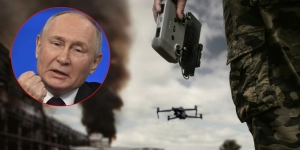

Tehran has supplied Moscow with Shahed drones, which have been widely used in strikes during the war in Ukraine.
Now, new developments suggest the flow of support may not be one-sided.
Surge in traffic
Russia and Iran have increased shipping activity in the Caspian Sea following the April 7 ceasefire between the United States and Iran, according to Defense Express cited by United24Media.
Maritime tracking data analysed by OSINT researcher Cecilia Sykala shows a sharp rise in cargo vessels gathering near Iran’s port of Amirabad.


Several Russian ships, including “Pola Yaroslava,” “Pola Feodosia,” and “Baku Breeze,” have been spotted docked at the port.
Fleet buildup
Additional vessels are reported to be anchored offshore or approaching the area, creating a notable concentration of ships.
Among them are “Pola Sofia,” “Valentin Emirov,” “Kalitva,” “Omskiy 109,” and “Pano 05,” with “Port Olya 2” also heading toward the port.
The presence of Iranian tankers and ships not transmitting identification data has also been noted.
Military links
Some of the vessels involved have previously been tied to military logistics operations.
Ships linked to the Russian company Pola Rise are under US and Ukrainian sanctions, while others have reportedly transported military cargo.
One such vessel, “Port Olya 4,” was destroyed in 2025 while allegedly carrying drones, ammunition and related equipment from Iran to Russia.
Strategic hub
The increased activity may also be linked to recent damage at other regional ports.
Bandar Anzali, another key Iranian port on the Caspian Sea, was reportedly struck in March, leaving Amirabad as one of the few major operational hubs.
This has likely contributed to the clustering of vessels in the area.
Unclear cargo
The exact contents of the shipments remain unknown.
However, Defense Express suggests the pause in hostilities could allow for the transfer of military equipment, potentially including air defence systems, missile components or drone technology.
The developments highlight how brief ceasefires can reshape logistical patterns in ongoing conflicts.
Sources: Defense Express, United24media.



