
 Mikkel Christensen
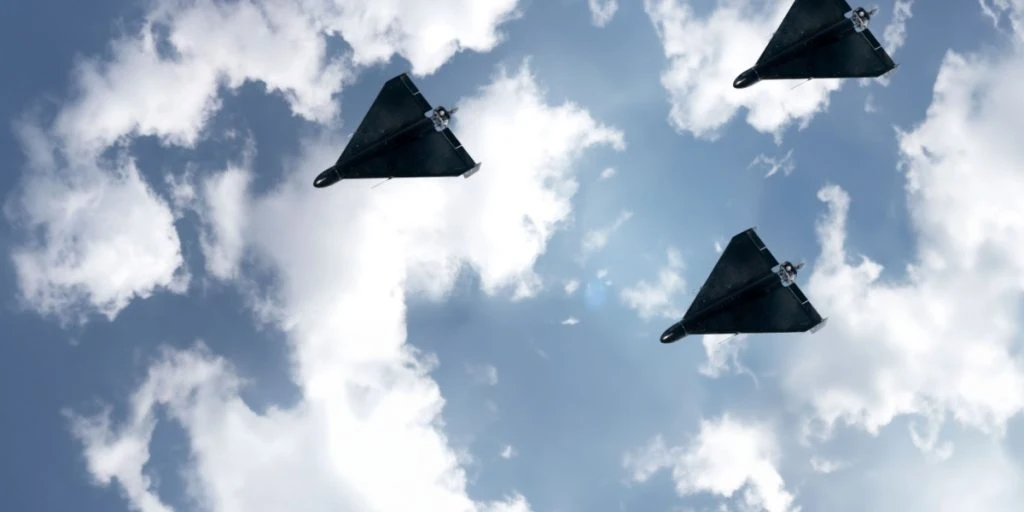
Western countries are struggling to respond effectively to the rise of Russian long-range drones.


According to Voennoedelo, citing an interview with American military analyst Dara Massicot published by Spiegel, Western countries are struggling to respond effectively to the rise of Russian long-range drones.
The issue is drawing increased attention among NATO members.
Officials and analysts warn that existing air defense systems may not be sufficient to counter rapidly evolving unmanned aerial threats.
Massicot said Russia has made measurable progress in several military areas, including logistics, battlefield medicine and the quality of its military equipment.


Evolving capabilities
She highlighted long-range drones as a growing concern, pointing to their expanding role in modern warfare.
According to her assessment, newer drone models are being developed with greater speed and extended range, making them harder to counter.
At the same time, Europe lacks sufficient air defense systems and does not yet have a unified strategy to respond to these threats.
Production claims
Earlier, Russian President Vladimir Putin said the country’s military-industrial output is comparable to global levels.
He claimed Russia produces three times more air defense missiles than the United States and that overall output matches combined global production.
Putin also stressed that coordination between society, the defense sector and the broader economy plays a decisive role.
Battlefield role
Since the start of the war, unmanned aerial vehicles have become central to Russian military operations.
Drone operators conduct constant surveillance, acting as “eyes in the sky” along the front line.
They are also used to strike infrastructure, equipment and personnel while enabling real-time battlefield monitoring.
Sources: Voennoedelo, Spiegel (interview with Dara Massicot)



