
 Kenneth Glad
A major leadership change has drawn attention to shifting trends across different regions. Observers are closely tracking how similar movements evolve under changing economic and social pressures.

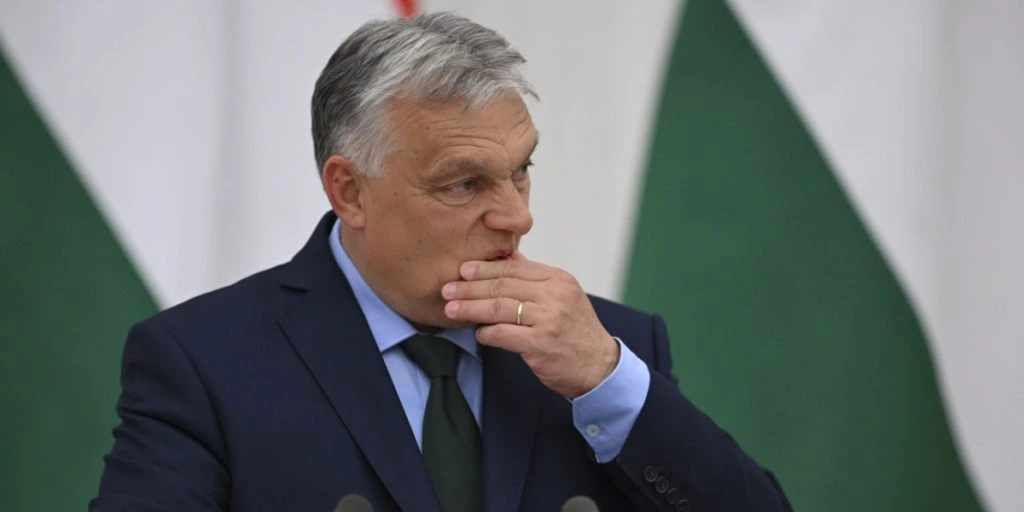
The end of Viktor Orban’s long rule in Hungary is reverberating far beyond Europe. His defeat has prompted renewed scrutiny of nationalist leaders linked, directly or indirectly, to Donald Trump’s political style. Yet rather than fading, similar movements appear to be evolving in different directions across the world.
Argentina’s President Javier Milei has emerged as one of the clearest examples of a new wave of populist politics. Unlike earlier figures, his agenda combines anti-establishment rhetoric with sweeping free-market reforms.
Milei won the presidency amid Argentina’s worst economic crisis in decades, with inflation soaring and widespread frustration over the country’s economic situation, reported Reuters.
India presents a different but equally influential model. Prime Minister Narendra Modi continues to blend nationalist messaging with economic development policies. Coverage from the BBC highlights his strong electoral base, even as critics raise concerns about minority rights and institutional independence.


These cases show how similar political themes are being adapted to local conditions rather than copied directly from one leader to another.
Longtime power players
Elsewhere, more established leaders continue to shape this political space.
Israel’s Benjamin Netanyahu has maintained close ties with Trump, particularly during key diplomatic moments such as the recognition of Jerusalem as Israel’s capital. The Associated Press reports that his current leadership faces sustained domestic tension over proposed judicial reforms.
Turkey’s Recep Tayyip Erdogan represents another enduring example. After more than two decades in power, he has centralised authority while managing complex ties with Western allies and regional powers. Analysts cited by Reuters point to his pragmatic approach, balancing political positioning with strategic interests.
These examples highlight how shared political styles often intersect with national priorities, making alliances less straightforward than they may appear.
Europe reconsiders
Hungary’s election result marks a significant moment for Europe, however. According to The Daily Express, opposition leader Peter Magyar’s campaign focused on economic concerns and corruption allegations to defeat Orban.
Italy’s Prime Minister Giorgia Meloni has paired tough rhetoric on migration with a more pragmatic approach inside European institutions. TIME has reported that, in office, she has worked within the EU and NATO while softening some of her more dramatic campaign pledges.
Taken together, it all suggests a broader trend: While one chapter of European populism has closed, the wider movement is evolving into varied national forms. Whether these leaders can maintain support amid economic and political pressure remains uncertain.
Sources: Daily Express, Reuters, BBC, AP, TIME



