
 Edith Hejberg
Ultraprocessed foods make up more than half of the average American adult diet.
Children consume even more.


A daily serving of ultraprocessed food could raise dementia risk, according to new research.
Even a small bag of chips may have an effect over time.
Researchers say the findings add to growing concerns about processed diets.
UPFs are everywhere

Ultraprocessed foods make up more than half of the average American adult diet.
Children consume even more.
Common examples include chips, frozen pizza, cookies and sugary cereals.
The study followed older adults

More than 2,100 Australians aged 40 to 70 took part in the research.
They recorded their eating habits and completed cognitive tests.
None had dementia when the study began.
Attention span declined

Researchers found that higher UPF intake was linked to worse attention.
People also processed information more slowly.
The effects increased as UPF consumption rose.


Dementia risk increased too

Every 10% increase in ultraprocessed food intake raised dementia risk scores.
Researchers used a validated tool that predicts long-term cognitive decline.
The study showed an association, not direct proof of cause.
Healthy diets did not erase the effect

Even people following Mediterranean-style diets showed negative effects from UPFs.
Researchers say the issue may be tied to food processing itself.
That includes additives and altered food structures.
What makes UPFs different?

Ultraprocessed foods contain little to no whole food.
They are often packed with sugar, salt and artificial ingredients.
Experts describe them as heavily manufactured products.
Scientists worry about brain health

UPFs may affect the gut microbiome, hormones and inflammation.
They are also linked to diabetes, obesity and high blood pressure.
All are known risk factors for dementia.
Earlier studies found similar results

Previous research has linked UPFs to faster cognitive decline.
Large reviews also connect them to heart disease and depression.
Scientists say the evidence keeps growing.
Cutting back may help

Researchers say reducing UPFs could lower long-term risk.
Replacing processed foods with whole foods appears beneficial.
Midlife may be the best time to make changes.
Mediterranean-style diets still stand out

Diets rich in vegetables, grains, beans and olive oil remain strongly linked to better brain health.
The DASH and MIND diets show similar benefits.
All three limit ultraprocessed foods.
Small swaps may make a difference
Experts recommend gradual changes instead of perfection.
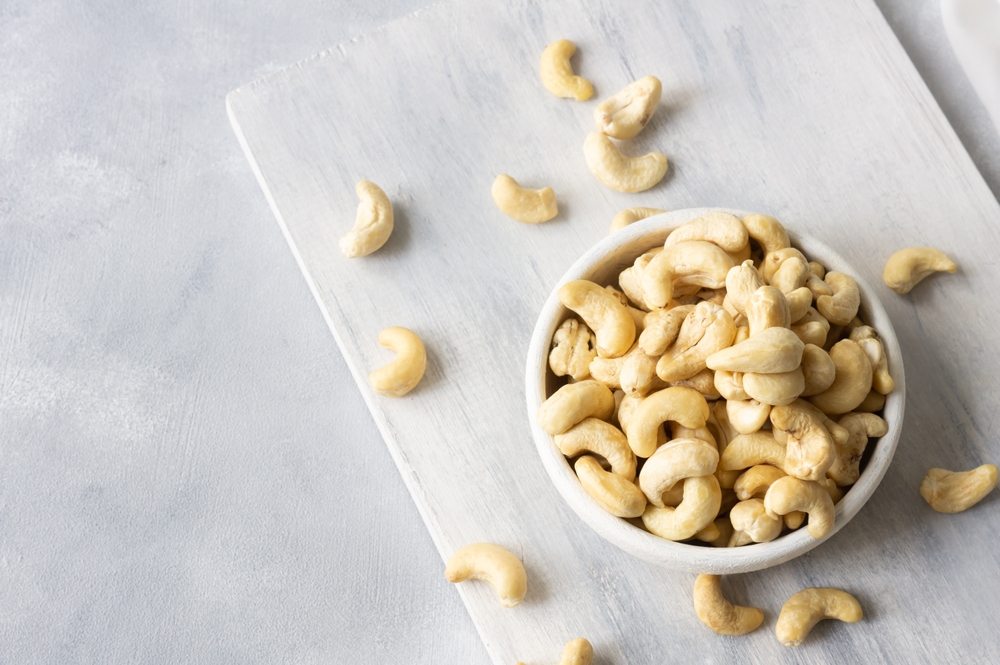
Choosing nuts over chips or home-cooked meals over frozen foods may help.
Long-term habits matter most.
Researchers still want answers

Scientists are still studying exactly how UPFs affect the brain.
Future research may identify which ingredients are most harmful.
For now, experts recommend focusing on minimally processed foods.



