
 Asger Risom
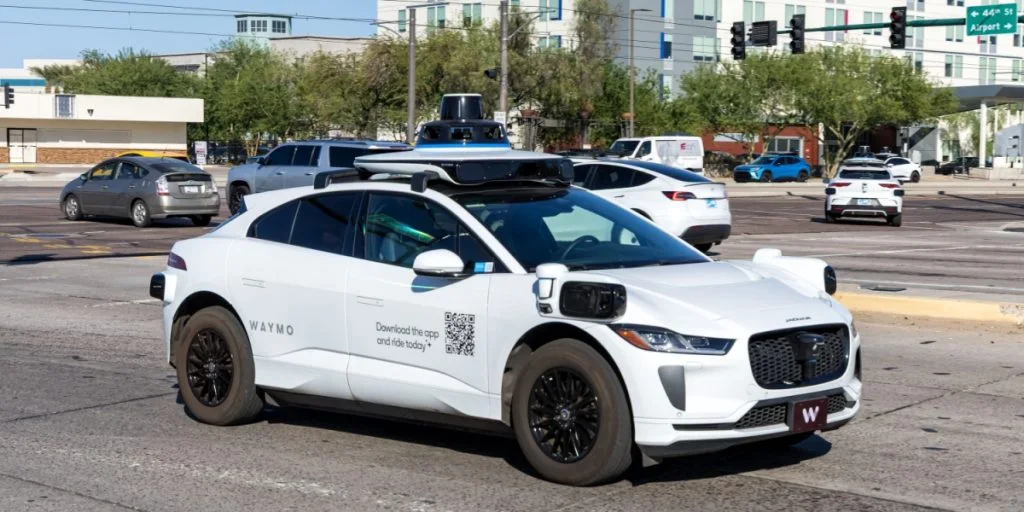
China halted robotaxi expansion after a single large-scale failure, while in the U.S., autonomous vehicles continue operating despite crashes and interference with emergency situations.


A single large-scale failure was enough for China to halt its robotaxi rollout. In the United States, similar—and in some cases more dangerous—incidents have not led to a nationwide response.
According to Bloomberg, more than 100 of Baidu’s Apollo Go robotaxis simultaneously froze in Wuhan on March 31, stalling on overpasses and roads and trapping passengers for up to two hours.
Weeks later, Beijing suspended the issuance of new autonomous driving permits across the country, effectively pausing expansion, testing, and fleet growth.
One failure triggers a halt, while incidents continue in the U.S.
The Wuhan incident did not result in injuries, but the scale of the failure triggered swift regulatory action. The suspension blocks companies from adding vehicles or expanding into new cities, reflecting a centralized approach: when systems fail at scale, deployment stops.


In the U.S., autonomous vehicles have continued operating despite repeated incidents involving public safety. In Austin, Tesla robotaxis have collided with fixed objects, including poles, buses, and trucks. In 2023, a Cruise vehicle dragged a pedestrian for 20 feet.
More recently, driverless vehicles have entered active emergency situations. In Atlanta, a Waymo vehicle drove past police cars at a live crime scene. In Austin, another blocked ambulances during an active shooter situation. In Los Angeles, a robotaxi failed to follow police instructions and entered an active investigation area.
Failures shift the burden onto public responders
In San Francisco, a major power outage knocked out traffic signals and left hundreds of robotaxis stalled across the city, blocking roads and disrupting traffic.
Emergency responders were forced to physically move the vehicles to clear routes. During a public hearing, a city official described the situation as unsustainable, warning that first responders were effectively becoming roadside assistance for autonomous fleets.
The issue extends beyond technical failure. During protests in Los Angeles in 2025, multiple Waymo vehicles were vandalized and set on fire, with demonstrators citing concerns over surveillance and data collection.
Regulation lags behind deployment
Despite the growing number of incidents, the U.S. still lacks a federal law governing autonomous vehicle safety. A proposed bill—the SELF DRIVE Act of 2026—remains in draft form, following earlier failed attempts to pass similar legislation.
In the absence of federal oversight, regulation is fragmented across states, while companies continue deploying autonomous vehicles at scale.
Autonomous vehicle firms argue the technology will ultimately be safer than human drivers. But the current reality shows a widening gap between deployment and control—one that becomes most visible when systems fail in real-world, high-risk situations.
Sources: Bloomberg, Fortune, NBC News,



