
 Mikkel Christensen
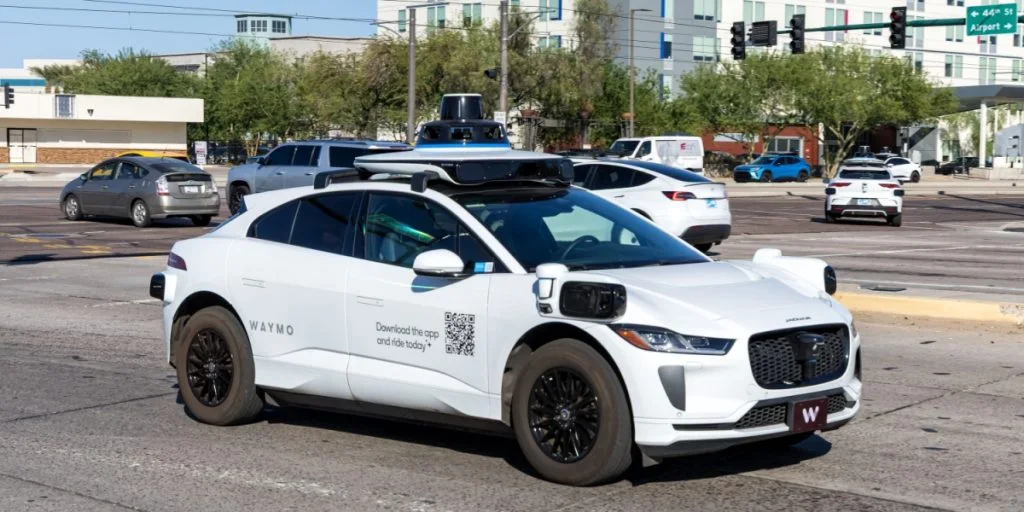
A large-scale disruption involving autonomous taxis in Wuhan has raised new questions about the reliability of driverless transport systems.


A large-scale disruption involving autonomous taxis in Wuhan has raised new questions about the reliability of driverless transport systems.
More than 100 vehicles reportedly halted operations within a short period, affecting passengers across the city.
According to Oddity Central, citing local authorities, the incident involved robotaxis operated by Baidu’s Apollo Go service.
Sudden breakdown
Reports began around 8:57 p.m., when traffic officials started receiving alerts about multiple robotaxis becoming unresponsive.


All affected vehicles were linked to the same network, pointing to a shared technical issue rather than isolated faults.
Videos circulating online showed cars stopped in traffic with hazard lights flashing.
Passengers stranded
Some riders said they were unable to exit or move the vehicles during the disruption.
One passenger wrote on social media that she was stuck for more than an hour and struggled to reach customer support.
She said repeated calls only resulted in assurances that help was coming, before her request was unexpectedly cancelled.
Possible cause
Apollo Go said preliminary findings suggest a system failure, though no detailed explanation has been provided.
The company’s vehicles rely on both onboard software and a centralised control platform that helps coordinate operations.
Experts note that a fault in such a system can affect large numbers of vehicles simultaneously.
Safety questions
While no injuries were reported, some robotaxis were involved in minor collisions during the incident.
The disruption has renewed scrutiny over how autonomous services respond to emergencies and system-wide failures.
Investigations are ongoing, and it remains unclear whether further details will be disclosed publicly.
Sources: Oddity Central, Apollo Go, local authorities



