
 Asger Risom
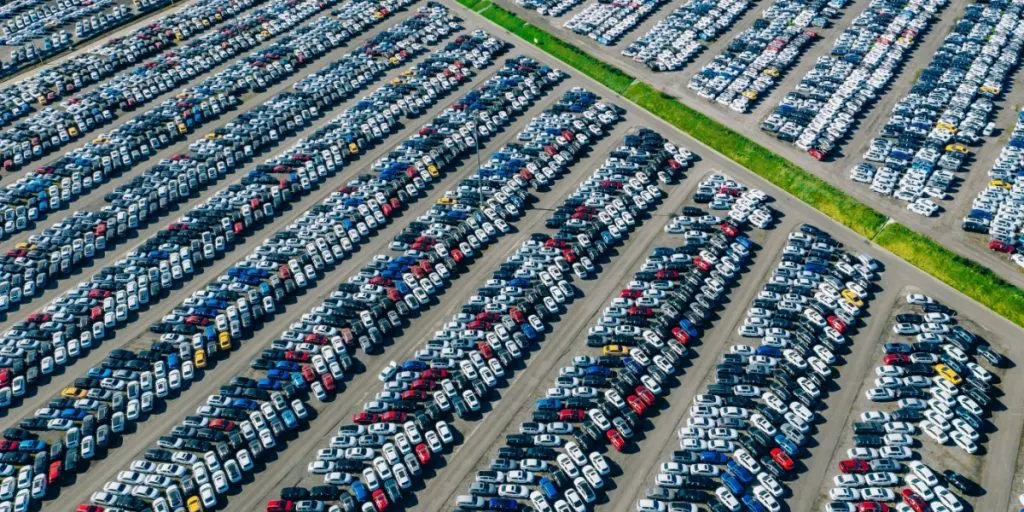
European transport ministers have clashed over a controversial proposal to mandate electric vehicle quotas for large corporate fleets. While supporting nations view it as a quick path to expanding the secondhand market, a coalition led by Italy and Poland warns the rule will cripple business flexibility and overwhelm local grids.


Driving a company vehicle often feels like a standard perk of a secure job. While workers enjoy the convenience of an office set of wheels, a massive regulatory battle in Europe is threatening to change what sits in the company lot. A fierce political showdown has erupted over what large businesses are legally allowed to buy.
Splitting the fleet
European transport ministers are deeply split over an aggressive new plan to force corporate vehicle fleets to ditch fossil fuels. The sweeping proposal targets large corporations by demanding that a strict minimum percentage of all new company car registrations feature zero or low-emission engines.
The European Commission wants these mandatory quotas to fast-track the green transition. By forcing big firms to purchase electric cars, officials hope to rapidly build a massive secondary market full of cheap, used electric vehicles for regular drivers.
But agreement remains completely out of reach. According to official reports from the Main results of the EU Transport Council on 8 June 2026, a ministerial summit in Luxembourg revealed deep ideological rifts between member states over how to handle transport.


Fighting binding laws
A strong coalition led by France, Lithuania, Croatia, and the Netherlands is aggressively pushing for the mandatory quotas. They believe strict legislation is the only way to meet climate goals before the end of the decade.
However, a powerful counter-movement is fighting back. A report by IEU Monitoring highlights that heavyweights like Italy and Poland are leading a large group of nations demanding that the entire proposal be withdrawn immediately.
These opposing countries argue that a rigid law will choke local businesses. They prefer voluntary guidelines, financial incentives, and non-binding national recommendations that let individual states set their own pacing.
Straining the grid
The backlash goes far beyond political disagreements. Logistics groups warn that forcing thousands of electric vehicles onto the roads before regional infrastructure is ready could trigger an absolute disaster for regional power grids.
Local networks are already struggling to handle surging electricity demands. Pushing massive corporate fleets onto unready grids threatens to cause widespread regional blackouts and completely destabilize local energy markets.
With discussions completely deadlocked, the future of the European company car remains highly uncertain. Until leaders can bridge the massive gap between green targets and practical infrastructure limits, corporate car parks will remain a fierce political battleground.
Sources: IEU Monitoring, Main results of the EU Transport Council on 8 June 2026



