
 Jens Asbjørn Bøgen
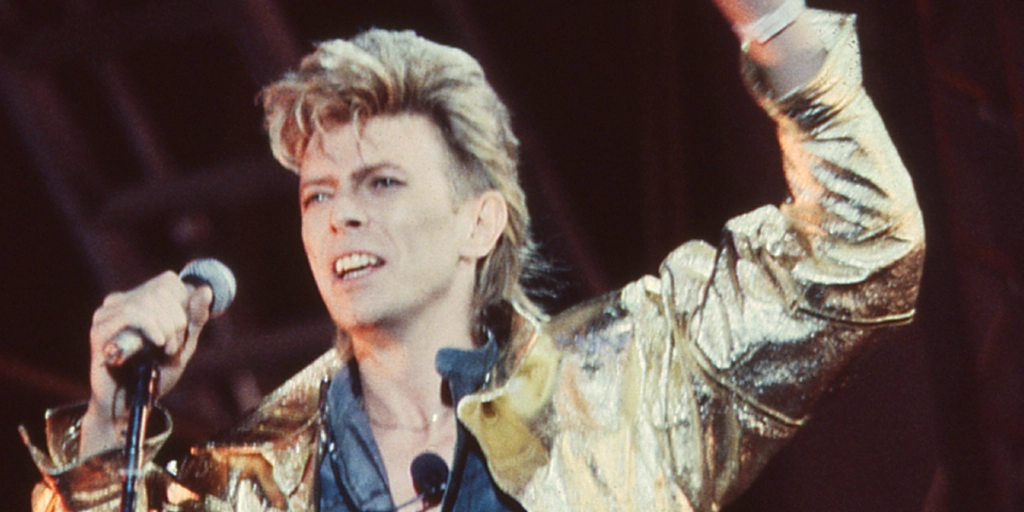
The recordings allegedly feature guitar work from the Led Zeppelin-legend

Finding lost treasures from music legends always feels like discovering a time capsule.
For decades, fans have hunted for the earliest glimpses of genius before stadium tours and massive fame took over.
Now, a treasure trove from the very beginning of a musical icon’s journey is finally coming to light.
Early musical steps
Before the world knew him as a galactic superstar, a young London teenager was trying to make his mark on the music scene. He went by a different name back then, playing in small clubs and recording demos that vanished into archives.


According to the BBC, ten unreleased songs from this formative era are finally going public. The collection is called “David Bowie: The Shel Talmy Recordings”, and his record label describes it as “the most complete collection of tracks recorded by a nascent David Bowie” with his producer.
Listeners can already stream one unheard single, “I Want Your Love”, ahead of the full collection’s September 18 release. The rest of the tracklist features long-lost titles like “Cupid” and “I Live in Dreams”.
Famous rock friends
The songs offer a rare look at a legend in the making. Even back in the mid-1960s, the young artist was rubbing shoulders with future rock royalty.
The BBC reported that the recordings feature guitar work from Jimmy Page, who later founded Led Zeppelin, and piano from Nicky Hopkins, a musician who played with the Beatles and the Rolling Stones.
These tracks came together through producer Shel Talmy, an American expat who ruled London’s famous Denmark Street in Soho. Before he passed away in 2024, Talmy shaped iconic rock hits like “My Generation” by The Who. He spotted the teenager’s raw talent in late 1964 and signed him up.
Before the stardust
At the time of the sessions, the singer was still billing himself as Davie Jones. He fronted a band called The Lower Third, who back him on most of these fresh tracks.
A year later, he changed his name to David Bowie to avoid being mixed up with Davy Jones of the Monkees. By 1969, he exploded into global stardom with “Space Oddity” before transforming into Ziggy Stardust.
In the album’s sleeve notes, music historian Alec Palao wrote: “David Bowie the artist is a book of chapters, the turn of each page delivering something completely different and unexpected from the last.” He added that this early collection deserves real attention as the opening chapter of the singer’s career.



