
 Lauge Risom Koch
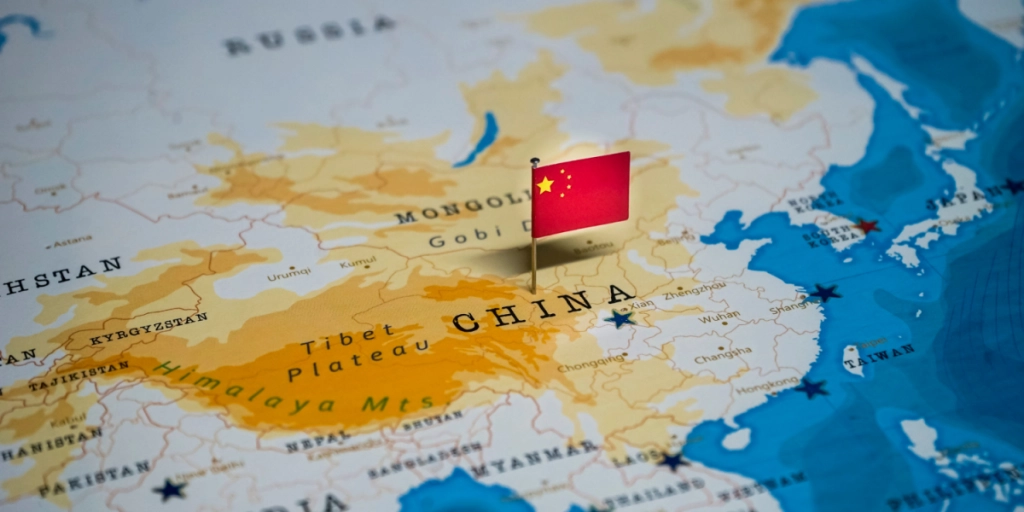
China has strengthened its position in global energy and clean technology following the Iran conflict, but slowing economic growth, weak domestic demand and demographic decline remain major long-term obstacles.


China has emerged from the recent conflict involving Iran with increased influence over global energy markets, but significant economic and demographic challenges continue to cloud its long-term outlook, according to an analysis.
According to Digi24, citing The Times, Beijing has strengthened its geopolitical position through years of investment in clean energy and strategic industries, even as slowing growth and an aging population create mounting domestic pressures.
Energy gains
The analysis says China entered the Gulf conflict with substantial oil reserves, making it less vulnerable to rising prices than many had expected. As instability affected traditional oil producers, Beijing was able to expand its influence over global energy markets by adjusting its oil purchases in response to price movements.
According to Digi24, citing The Times, the conflict also produced strategic advantages for China after the United States redeployed military assets from Asia to the Middle East, reinforcing Beijing’s position in the region.


The report highlights China’s long-term investments in electric vehicles, batteries, solar panels and rare earth processing, industries in which the country has established a dominant global position as demand for clean energy continues to grow.
Domestic challenges
Despite its export success, the analysis argues that China’s economy faces deep structural problems. According to Digi24, citing The Times, years of government subsidies have created industrial overcapacity, while weak domestic demand has left manufacturers increasingly dependent on overseas markets.
The report also points to the lingering effects of China’s property market crisis, high levels of debt and cautious consumer spending, all of which continue to weigh on economic growth.
Long-term outlook
According to Digi24, citing The Times, advances in automation and artificial intelligence have improved manufacturing productivity, but many young people are increasingly turning to gig work instead of stable employment.
The analysis concludes that China’s aging population and historically low birth rate may prove to be its greatest long-term challenge. While Beijing has successfully positioned itself as a leader in future energy technologies, The Times argues that demographic decline could ultimately constrain the country’s economic growth and global ambitions.
Sources: Digi24, The Times



