
 August M
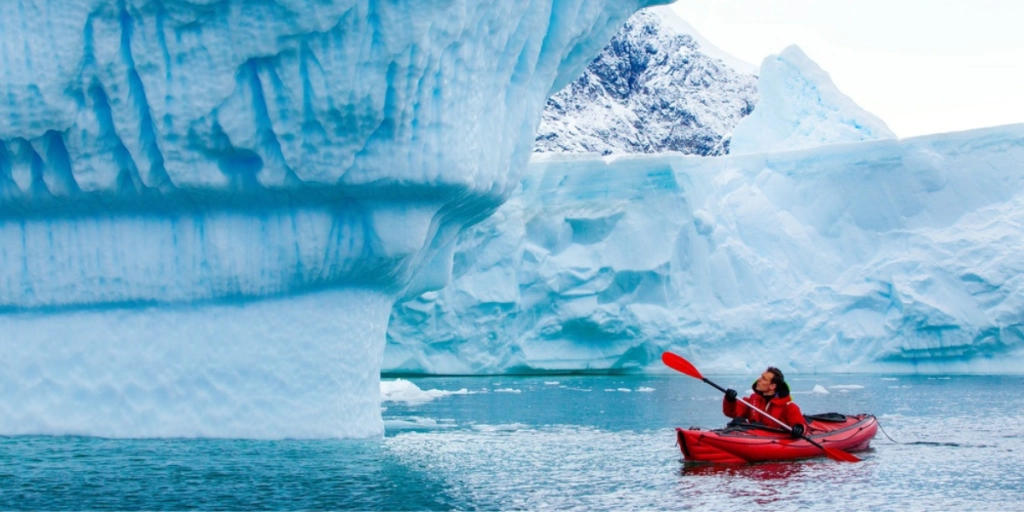
Nature can be deceptive. For nearly two decades, scientists watched frozen landscapes across the far north remain surprisingly stable even as global temperatures climbed year after year.


The Guardian reports that brief relief is now over.
A false sense of hope
For nearly twenty years, the ice seemed to hold its ground. Satellite measurements taken between 2005 and 2024 suggested that the rapid melt of northern sea ice had hit an unexpected pause.
Scientists believed shifting ocean currents were taking on heat, creating a temporary shield against climate warming. Many hoped this break would last for another decade.
It did not. According to The Guardian, new satellite observations confirm that the pause is officially finished.


The overall trend is grim. Since satellite tracking began back in 1979, the total area of late-summer Arctic ice has dropped by half.
Record drop in winter
Recent satellite data shows a sudden and dramatic shift. Between 2024 and 2025, Arctic ice cover dropped by 5.8 percent, which is the largest single-year winter fall ever recorded.
University of Southampton co-author Dr Alessandro Silvano explained that while this sharp drop in 2025 was unusual, it remains physically plausible under current Arctic warming.
The illusion has completely vanished. Lead author Dr Duo Chan noted that what “looked like a pause in the early 2020s now appears to have just been a temporary slowdown within a longer-term decline”.
Warming the world beyond
Losing winter sea ice impacts far more than just polar landscapes. Thick ice acts like a massive blanket.
It locks ocean heat deep below. Without that shield, huge amounts of heat and moisture escape straight into the freezing air above, disrupting global air pressure and shifting storm tracks thousands of miles south.
Climate experts urge people not to be fooled by temporary halts. As Dr Duo Chan stressed, “Short-term recoveries can temporarily obscure the longer-term direction of Arctic sea ice change. The low winter sea ice extents in 2025 and 2026 clearly show that Arctic sea ice loss has not stopped, it is continuing in a warming climate.”
Sources: The Guardian



