
 Kenneth Glad
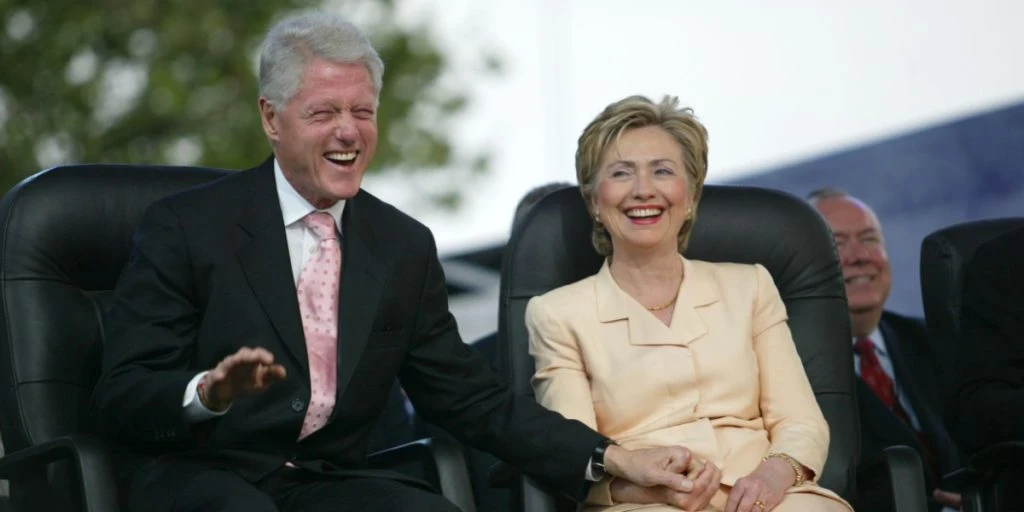
Lawmakers are seeking clarification about the former president’s past associations as part of a broader review of records released late last year. The proceedings mark a rare moment in which a former occupant of the White House is formally compelled to answer questions before Congress.


The House Oversight and Accountability Committee will question Bill and Hillary Clinton this week under oath, after months of dispute over subpoenas tied to Jeffrey Epstein.
The appearances, scheduled for Thursday and Friday, are expected to take place behind closed doors, according to congressional aides familiar with the planning. Transcripts are likely to be released later.
Documents and subpoenas
The confrontation intensified in December 2025 when the committee published a first tranche of Epstein-related records. Among them were photographs showing Bill Clinton with Epstein and with Epstein associate Ghislaine Maxwell. The material was released without detailed context.
According to White House visitor logs cited by the Associated Press, Epstein visited the White House multiple times during the 1990s. After Clinton left office, he traveled on Epstein’s private jet in connection with philanthropic initiatives.


Epstein, a convicted sex offender, died by suicide in 2019 while awaiting trial on federal sex trafficking charges. There is no evidence that either Clinton committed wrongdoing related to him.
In his 2024 memoir, Bill Clinton reflected on the association, writing, “Traveling on Epstein’s plane was not worth the years of questioning afterward,” and adding, “I wish I had never met him.” The passage framed the relationship as a reputational mistake that carried lasting political consequences.
Committee Chairman James Comer, a Kentucky Republican, warned in January that failure to comply with subpoenas could result in contempt proceedings. Such a step against a former president would be highly unusual.
Democratic break
Last month, nine Democrats on the Oversight Committee voted with Republicans to advance a contempt resolution, a move first reported by the Associated Press. Several said publicly that congressional subpoenas must apply evenly, regardless of party.
Rep. Ro Khanna, a California Democrat who supported moving the resolution forward, said transparency obligations “should not depend on who holds office.” Others described the vote as an institutional decision rather than a judgment of guilt.
The split underscored how the political terrain has shifted since earlier investigations involving the Clintons, when party ranks largely held firm.
Hillary Clinton has called for the testimony to be conducted openly. In an interview with the BBC, she said, “We have nothing to hide.” In a letter posted on social media, the couple criticized what they described as a process “literally designed to result in our imprisonment.”
Precedent at stake
President Donald Trump, speaking to NBC News, said it “bothers me that somebody is going after Bill Clinton,” and described Hillary Clinton as a “very capable woman.”
Beyond partisan fallout, legal analysts say the episode could shape future clashes between Congress and former presidents. Compelling sworn testimony narrows the practical shield of executive privilege once a president leaves office.
“If Congress succeeds in enforcing this subpoena, it lowers the barrier for similar demands in the future,” said Peter Shane, a constitutional law scholar at New York University, referring to oversight powers.
For now, the immediate question is procedural: two days of testimony, closed doors, and a record that will become public. What follows may depend less on old photographs and more on how aggressively Congress decides to press its authority.
Sources: Associated Press, BBC, NBC News



