
 August M
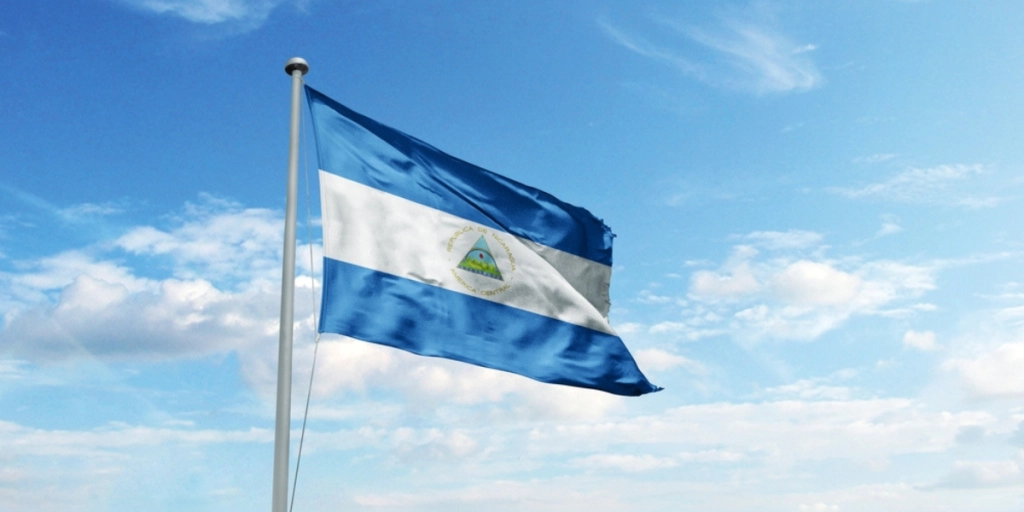
Political movements often start with grand promises of freedom and democratic rights.


According to DR News, the allure of holding onto power can erode founding ideals over time, pushing a nation toward a sudden and dark turn when leaders prioritize self-preservation over democratic choices.
No more votes
In a dramatic public appearance marking the anniversary of the 1979 revolution, Nicaraguan President Daniel Ortega announced an abrupt end to democratic contests. The 80-year-old leader declared that the nation would no longer hold presidential elections.
Ortega surfaced for his first public event in two months to attack foreign influence and domestic opponents. According to Reuters, Ortega stated, “There will be no more elections here where they can try to take over power.”
He vowed that US-backed parties would never regain authority. Reuters reported that Ortega framed the decision as building a strong wall against opposition groups seeking control.


The move marks a striking shift for a leader who originally fought against a military dictatorship. Jan Gustafsson, an associate professor at the University of Copenhagen, told Dr News that “it probably cannot be connected in any other way than that there has been a growing desire for personal power.”
Shared control
Ortega has steadily consolidated control over government institutions alongside his wife, Rosario Murillo. Last year, constitutional changes extended the presidential term to six years while promoting Murillo from vice president to co-president.
Together, the couple commands the armed forces and the judiciary. The UN Human Rights Council criticized the administration, stating that Ortega and Murillo have systematically violated human rights and turned the nation into an authoritarian state.
The United States went even further in its condemnation. American officials have formally referred to the country as the “Murillo-Ortega dictatorship.”
Cracking down
Tensions have remained high since nationwide anti-government demonstrations erupted in 2018. Security forces brutally suppressed those protests, leaving more than 300 people dead across the country.
Analyst Gustafsson observed that Ortega has drifted far from his original political roots. Speaking to Dr News, Gustafsson noted, “Apart from his anti-imperialist or anti-US rhetoric and his alleged solidarity with Cuba and Venezuela, he is very far from the current left in Latin America.”
The crackdowns have severely crippled civil society. Citing Human Rights Watch, The Guardian reported that the regime holds roughly 50 political prisoners, has stripped citizenship from 546 individuals, and has shut down over 5,600 non-governmental organizations.
Sources: Dr News, Reuters, UNHRC, Human Rights Watch, The Guardian



