
 August M
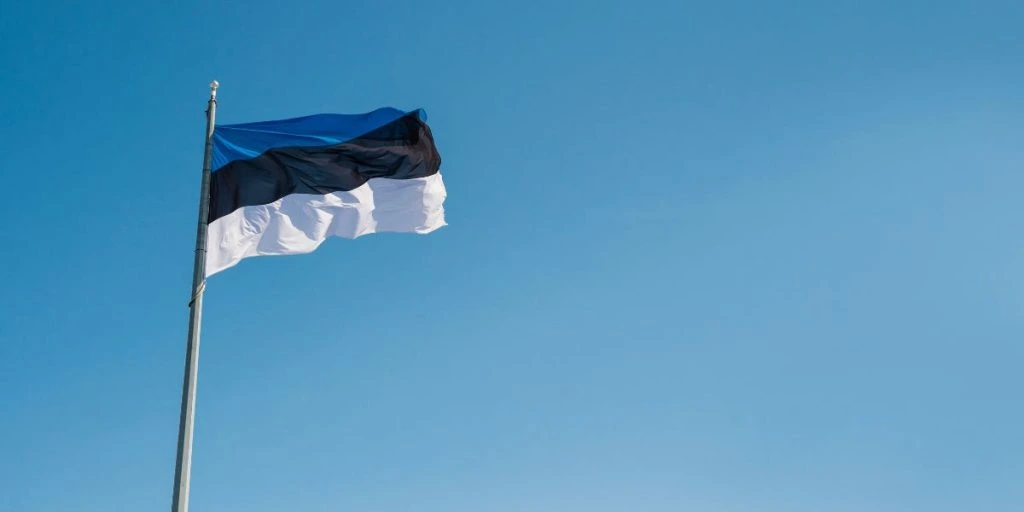
A quiet town on the edge of the European Union has found itself thrust into geopolitical debate.

Narva, sitting directly on Estonia’s border with Russia, is drawing attention far beyond its size, reports Onet.
Online provocation
Recent weeks have seen anonymous Russian-language social media channels promote the idea of a so-called “Narwa People’s Republic,” according to Onet.
These accounts have called for separation from Estonia while spreading pro-Russian narratives.
Estonian intelligence agencies have dismissed the activity as a provocation, while many locals appear largely unconcerned.


Life on the border
Despite the headlines, daily life in Narva continues with little disruption.
The city, marked by Soviet-era buildings alongside European storefronts, sits across the river from the Russian town of Ivangorod.
Crossing the border has become more restrictive, with movement now limited to pedestrians during daytime hours following decisions by Russian authorities.
Identity questions
Narva stands out as the most Russian-speaking city in the European Union, with only a small share of residents using Estonian at home.
A significant portion of the population holds Russian citizenship, though local officials say linguistic and cultural dynamics are gradually evolving.
Mayor Katri Raik pushed back against claims of separatism, saying: “Residents are worried about their city’s image. Such reports cast us in a bad light, and no one wants that. People love Narva. They don’t have time to invent stories—what matters is survival and paying the heating and electricity bills,”
Frustration, not separatism
Local voices suggest economic concerns outweigh political ambitions.
Journalist Roman Vikulov said: “There are no separatists in Narva, and there never have been—except for a brief period 35 years ago, when dreams of autonomy within the Estonian republic emerged. Today, no one is seriously talking about it,”
He added: “People have stopped believing that their lives in Estonia can improve. There’s a sense of sadness and hopelessness, but without aggression,”
A symbolic frontier
Narva has increasingly become a symbol of the divide between Russia and the West.
Events across the border, including large-scale Russian celebrations visible from the Estonian side, reinforce the city’s unique position.
At the same time, comparisons between Narva and nearby Russian areas highlight economic differences, with many residents viewing life in Estonia as more stable.
Sources: Onet, DW, The New York Times



