
 Asger Risom
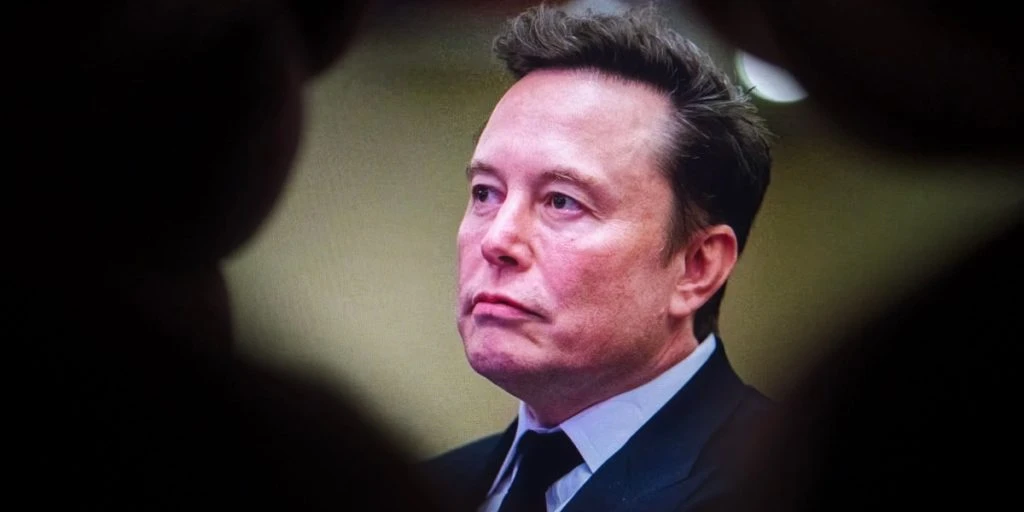
Elon Musk told a court that a clash with Google co-founder Larry Page helped spark OpenAI, as a $150bn lawsuit turns into a wider debate over AI’s future.


A courtroom clash between Elon Musk and OpenAI is turning into a broader debate about the future of artificial intelligence.
On the stand, Musk tied the origins of the dispute to a decade-old disagreement with Google co-founder Larry Page.
A feud goes to court
Musk is suing OpenAI, its CEO Sam Altman and president Greg Brockman, seeking more than $150 billion in damages, according to Fortune.
He claims the company abandoned its founding mission as a nonprofit created “for the benefit of all mankind” after shifting toward a for-profit model.
OpenAI rejects that version of events. Its lawyers argue Musk lost influence in the organisation and is now acting out of frustration after being sidelined.


Origins of the split
Testifying in a federal court in Oakland, Musk traced the roots of OpenAI back to conversations in 2015 about the risks of artificial intelligence.
He said those concerns intensified after a meeting with Larry Page, who he claims took a far more optimistic view of AI’s future.
“The reason OpenAI exists is because Larry Page called me a ‘specieist,’” Musk told the jury.
According to Musk, the term was used to criticise his belief that human interests should take priority over potential digital life.
Competing visions of AI
Musk framed the disagreement in stark terms, warning that artificial intelligence “could kill us all” if developed without safeguards.
He contrasted two possible futures using pop culture references, saying: “We don’t want to have a ‘Terminator’ outcome.”
“We want to be in a Gene Roddenberry outcome, like ‘Star Trek.’ Not so much a James Cameron movie like ‘Terminator.’”
The comments reflect a long-standing divide in Silicon Valley between those who see AI as a transformative force for good and those who emphasise existential risk.
Power struggle and fallout
OpenAI was founded as a nonprofit, but internal discussions soon turned to the need for significantly more funding to build advanced AI systems.
Musk, who contributed at least $38 million, pushed for greater control and sought the role of CEO, according to court testimony.
He later left the organisation in 2018 after a power struggle with Altman.
After the success of ChatGPT in 2022 transformed OpenAI into a company valued in the hundreds of billions, Musk filed suit, alleging the original mission had been abandoned.
Credibility under scrutiny
OpenAI’s legal team has sought to portray Musk as motivated by rivalry rather than principle.
In opening arguments, lead lawyer William Savitt said Musk was reacting to OpenAI’s success without him.
“My clients had the nerve to go on and succeed without him,” Savitt told the court. “Mr. Musk did not like that.”
Musk’s own record has also come under attention, including questions about whether his charitable foundation has met legal requirements for giving.
Trial continues
The trial is expected to last around four weeks, with Musk returning to the stand for cross-examination.
Other key figures, including senior tech executives, are also expected to testify.
The case is likely to hinge not just on legal arguments, but on competing narratives about control, intention and the future direction of artificial intelligence.
Sources: Fortune



