
 Mikkel Christensen
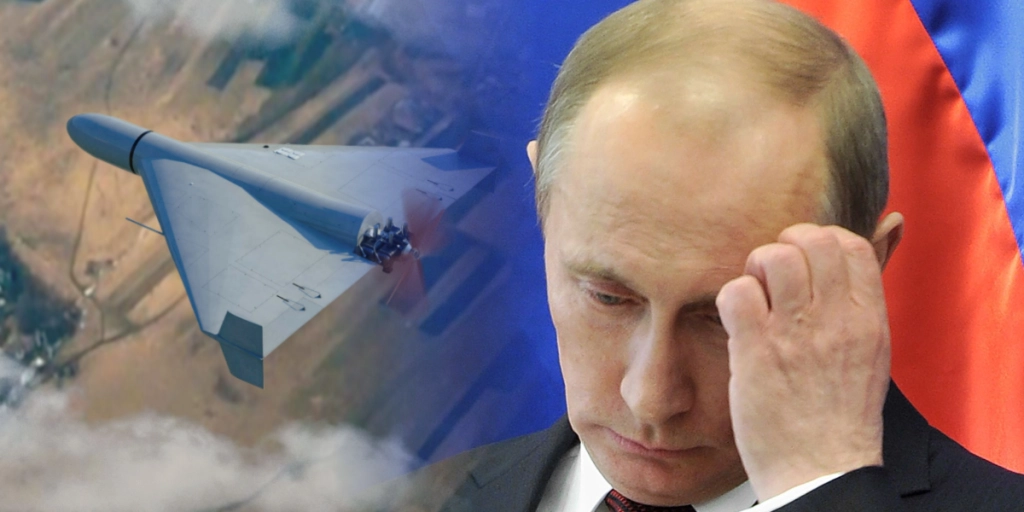
According to United24 Media, Russia is increasingly adapting its air defenses as drone attacks continue to shape the battlefield in the Ukraine war.

According to United24 Media, Russia is increasingly adapting its air defenses as drone attacks continue to shape the battlefield in the Ukraine war.
One of the latest developments involves mounting R-77 air-to-air missiles onto ground-based launchers, creating an improvised system designed to intercept aerial threats.
Images shared online show such a setup on a Ural truck in the city of Oryol, highlighting how existing weapons are being repurposed for new roles.
Drone pressure
The shift comes as both sides rely more heavily on drones, forcing rapid adjustments in air defense strategies.


Using aircraft to intercept drones can expose pilots and equipment to risk, especially at close range.
A ground-based alternative allows forces to respond more flexibly without committing valuable aviation assets.
Improvised system
The adapted system uses missiles originally intended for fighter jets, now launched from mobile platforms.
Earlier versions of similar concepts were seen in 2024, including setups built on BM-21 Grad launchers.
This approach mirrors, in simplified form, Western systems like NASAMS, which also use air-launched missiles in a ground-based role.
Technical trade-offs
However, launching these missiles from the ground significantly reduces their performance.
While they can reach long distances when fired from aircraft, their effective range becomes far shorter in this configuration.
This limitation reflects earlier attempts to use similar designs without major modification.
Broader pattern
United24 Media notes that details about the system’s operation remain unclear, including targeting and deployment scale.
The use of improvised platforms suggests a focus on speed and availability rather than precision engineering.
More broadly, it points to a growing trend of field-modified systems as militaries adapt to evolving threats and resource constraints.
Sources: United24 Media



