Nicolai Haugsted
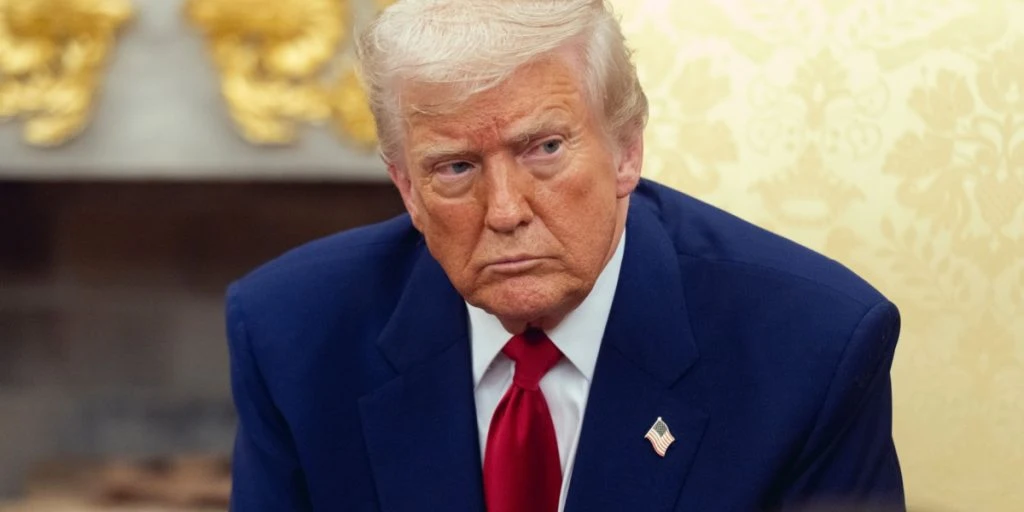
“They better get moving, or there won’t be anything left of them,” warns the president.

Tensions surrounding the war between Iran, Israel and the United States escalated once again Sunday after Donald Trump publicly warned Tehran that patience inside Washington was rapidly disappearing.
Diplomatic negotiations aimed at ending the conflict appear increasingly fragile as both sides continue trading demands while oil markets remain under pressure from the closure of the Strait of Hormuz.
Trump sends direct warning to Tehran
Trump intensified his rhetoric through a post on Truth Social shortly after speaking with Israeli Prime Minister Benjamin Netanyahu.
“Clock is ticking,” Donald Trump warned regarding ongoing negotiations with Iran, accordig to BBC.


Moments later, the president followed up with another sharply worded message aimed directly at Iranian leadership.
“They better get moving, FAST, or there won’t be anything left of them,” Donald Trump wrote on Truth Social.
White House officials have not released additional details from Trump’s conversation with Netanyahu, though Israeli media reported the war and stalled negotiations dominated discussions.
Talks reportedly stuck
Iranian state-linked media outlets claimed American negotiators failed to offer meaningful concessions in response to Tehran’s latest proposal package.
According to reports from Iranian agencies, Tehran demanded an immediate halt to military operations across the region, including Israeli attacks targeting Hezbollah-linked positions in Lebanon.
Iran also reportedly requested an end to the American naval blockade affecting Iranian ports alongside guarantees against future attacks.
Compensation for war-related damage and recognition of Iranian authority over the Strait of Hormuz were also reportedly included among Tehran’s conditions.
Washington pushes back
American proposals reportedly included strict limitations on Iran’s nuclear infrastructure.
Iranian media claimed Washington demanded Tehran reduce nuclear activity to a single operational facility while transferring highly enriched uranium stockpiles to American control.
Trump recently hinted at a softer negotiating position compared to earlier demands for a total dismantling of Iran’s nuclear program.
According to American officials, the White House may now consider a long-term suspension arrangement instead of permanent termination.
Strait of Hormuz remains closed
Global attention remains heavily focused on the Strait of Hormuz, where Iranian control continues disrupting one of the world’s most critical energy routes.
Nearly 20 percent of global oil and liquefied natural gas shipments normally pass through the narrow waterway.
Closure of the route has already driven oil prices sharply upward while governments across Europe and Asia monitor the economic consequences closely.
American naval forces continue enforcing restrictions around Iranian ports as part of Washington’s broader pressure campaign against Tehran.
Pakistan attempting mediation
Pakistan has reportedly taken on a mediating role between Washington and Tehran as diplomatic efforts continue behind closed doors.
Despite those efforts, both sides still appear significantly divided on core issues surrounding military operations, sanctions and Iran’s nuclear future.
Occasional exchanges of fire have continued despite the ceasefire announced earlier this spring, reinforcing fears that negotiations could collapse entirely if progress fails to materialize soon.