
 Kenneth Glad
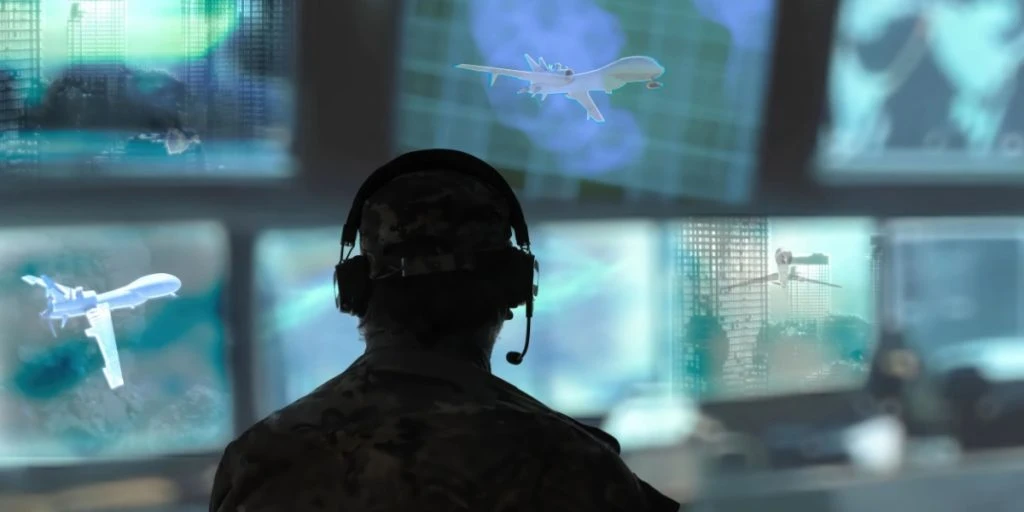
A nuclear explosion is often seen as the beginning of catastrophe. In reality, the critical phase happens earlier, in a compressed window of detection, doubt and decision-making. Experts say those opening minutes, largely invisible to the public, carry the greatest risk of escalation.


In her book Nuclear War: A Scenario, Annie Jacobsen describes how US early-warning satellites detect a missile launch almost instantly, identifying heat from rocket exhaust within fractions of a second .
That initial alert triggers a cascade of activity across military systems. Data is sent to ground stations, where analysts begin assessing trajectory and intent while cross-checking intelligence feeds.
Speaking on The Diary of a CEO podcast, Jacobsen described the urgency of those early moments:
“There is a very fast process where the trajectory of the ballistic missile is being determined and we’re talking in the first minutes of the sequence because everyone is getting ready to tell the president.”


Within roughly three minutes, the president is informed, even though the situation is not yet fully verified.
Confirming the threat
The next stage is confirmation. Ground-based radar systems must validate what satellites have detected, a process that can take several minutes and creates a critical gap between warning and certainty.
Jacobsen explains that once a missile is launched, there is no way to stop or recall it: “Everyone is working on figuring out the trajectory of the ballistic missile, which cannot be redirected or recalled.”
Radar confirmation typically arrives around eight or nine minutes after launch. By then, officials can determine whether the missile is heading toward the United States.
An intercontinental ballistic missile can reach its target in around 30 minutes, meaning much of that time is already gone by the point of confirmation .
Minutes to decide
What follows is the most pressured stage. Military leaders present response options while the president faces a decision that could trigger wider conflict.
Jacobsen described this moment in stark terms, noting advisers may tell the president: “Sir, you need to chose a counter-attack”.
She added: “That is called ‘get the blue clock running’.”
US policy allows for a response before impact under “launch on warning”, meaning decisions can be made based on incoming data rather than confirmed damage .
At the same time, contingency plans are activated. Leadership may be moved to secure locations or airborne command centres to maintain control if key sites are targeted.
Jacobsen’s broader analysis suggests escalation could happen rapidly, with a single launch potentially leading to a wider nuclear exchange in just over an hour.
In practical terms, the system is built for speed, not certainty. The most consequential decisions are made in minutes, under pressure, with no opportunity to reverse them once taken.
Sources: Annie Jacobsen – Nuclear War: A Scenario, The Diary of a CEO podcast,



