
 Kenneth Glad
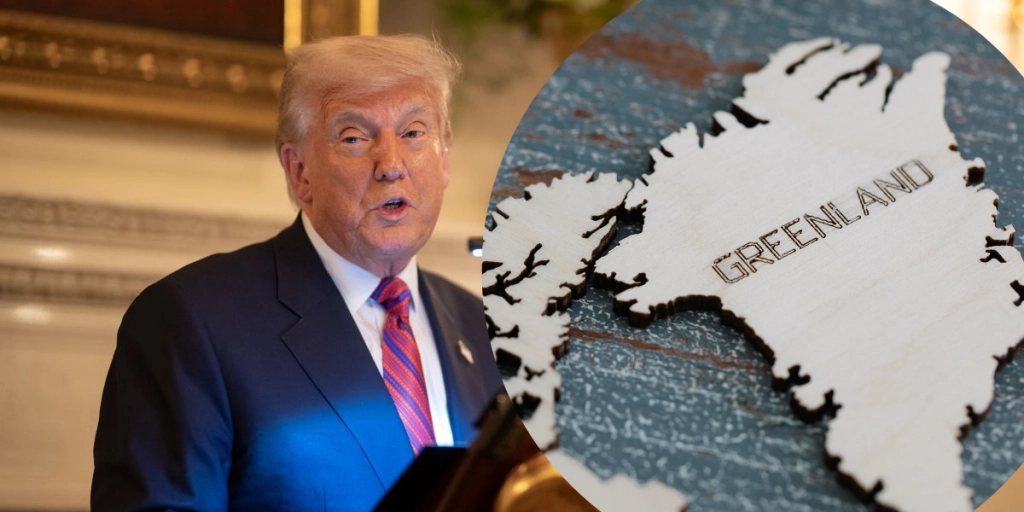
As debate over President Donald Trump’s statements about Greenland intensifies, diplomats, analysts, and Arctic leaders are voicing concern about how alliance dynamics and legal commitments intersect with rising strategic competition.


European officials and NATO partners have pushed back after renewed U.S. rhetoric raised questions about Greenland’s status. Statements from Copenhagen and allied capitals have emphasized that Greenland’s future rests with its people and existing alliance arrangements.
Former NATO Secretary General Anders Fogh Rasmussen warned in comments last month that challenging a fellow NATO member’s territorial arrangements could weaken trust inside the alliance.
Trump’s remarks
The renewed scrutiny, according to The New York Times, follows comments by President Donald Trump questioning long-standing arrangements governing Greenland. No formal policy shift has followed, but the remarks alone unsettled allies.
The United States has long operated radar systems and military infrastructure in Greenland under agreements with Denmark. Analysts say the concern is not an imminent takeover, but uncertainty. In alliance politics, that matters.


As Arctic ice recedes, shipping routes are opening and resource interest is growing. Russia has expanded its Arctic military presence, while China has signaled long-term ambitions. NATO cohesion, not legal theory, is the immediate issue.
An older agreement
Behind the diplomatic tension sits a little-known U.S. commitment dating back more than a century. During negotiations that led to Washington’s 1917 purchase of the Danish West Indies, now the U.S. Virgin Islands, Denmark secured a written U.S. declaration recognizing its sovereignty over all of Greenland.
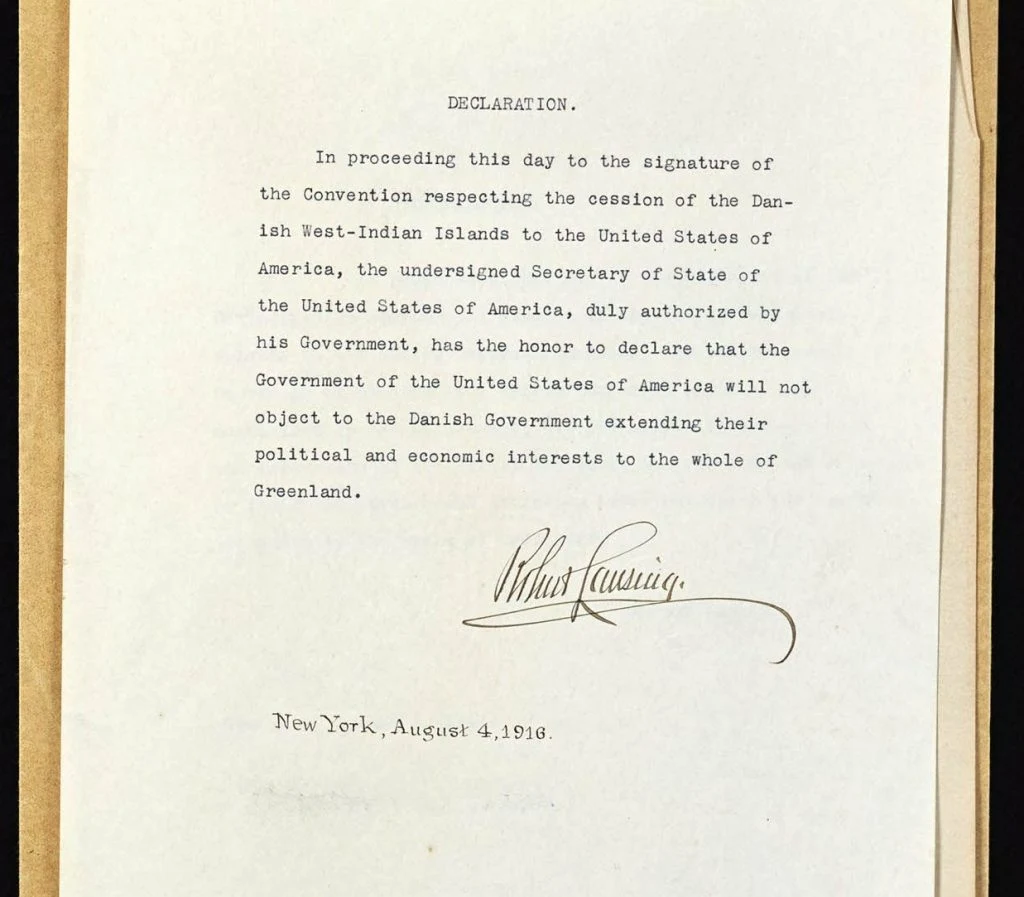
At the time, U.S. officials were focused on Caribbean ports near the Panama Canal. Greenland was seen as distant and of limited value. The assurance came cheaply.
The declaration, dated 1916 and preserved in the Danish National Archives, sets out Washington’s recognition in formal diplomatic language. Historians say it reflects an era when bilateral promises often settled territorial questions.
Legal layers today
Legal scholars note the pledge has never been formally withdrawn. But they also stress it is only one element among several modern constraints, including NATO obligations, post-war defense agreements, and international norms governing self-governing territories.
Polling conducted in January found a strong majority of Greenlanders oppose becoming part of the United States, favoring the current arrangement within the Kingdom of Denmark.
Whether the issue fades or hardens into something more lasting is unclear. The Arctic is changing quickly, and old assurances are being tested in real time.
Sources: The New York Times, The Danish National Archives (Rigsarkivet)



