
 Edith Hejberg

According to The Wall Street Journal, talks between Witkoff and Kremlin-appointed negotiator Kirill Dmitriev focused on Russia’s €235 billion in frozen assets held across Europe.


Behind the public negotiations for peace in Ukraine, a far more lucrative and secretive deal may be unfolding. Reports suggest the United States and Russia are quietly hammering out an economic agreement worth over $200 billion, closely tied to the proposed peace plan.
A peace plan shaped by Moscow
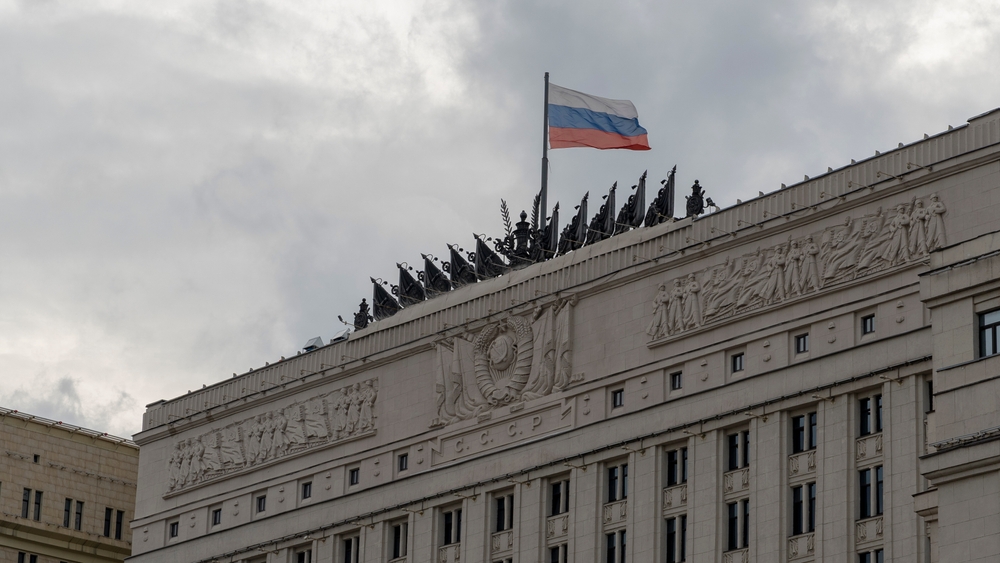
The 28-point peace plan introduced by the U.S. on November 20 has raised eyebrows. It closely mirrors Russian demands, with media outlet Axios revealing that behind-the-scenes talks between U.S. and Russian envoys shaped the proposal’s content.
Trump’s envoy meets Putin

Donald Trump’s special envoy, real estate mogul Steve Witkoff, met personally with Vladimir Putin on December 2. The meeting added weight to suspicions that the peace process is closely intertwined with broader U.S.-Russia dealings.
Billions in frozen Russian assets at stake
According to The Wall Street Journal, talks between Witkoff and Kremlin-appointed negotiator Kirill Dmitriev focused on Russia’s €235 billion in frozen assets held across Europe. The agreement reportedly gives American firms first dibs on this money.


Rebuilding Ukraine, or something more?

While the stated purpose of unlocking these funds is to finance Ukraine’s reconstruction, sources say much of the money would also fund other joint U.S.-Russia ventures, ranging from Arctic mining and energy development to Mars exploration missions with SpaceX.
Russia aims to reinvent its U.S. ties
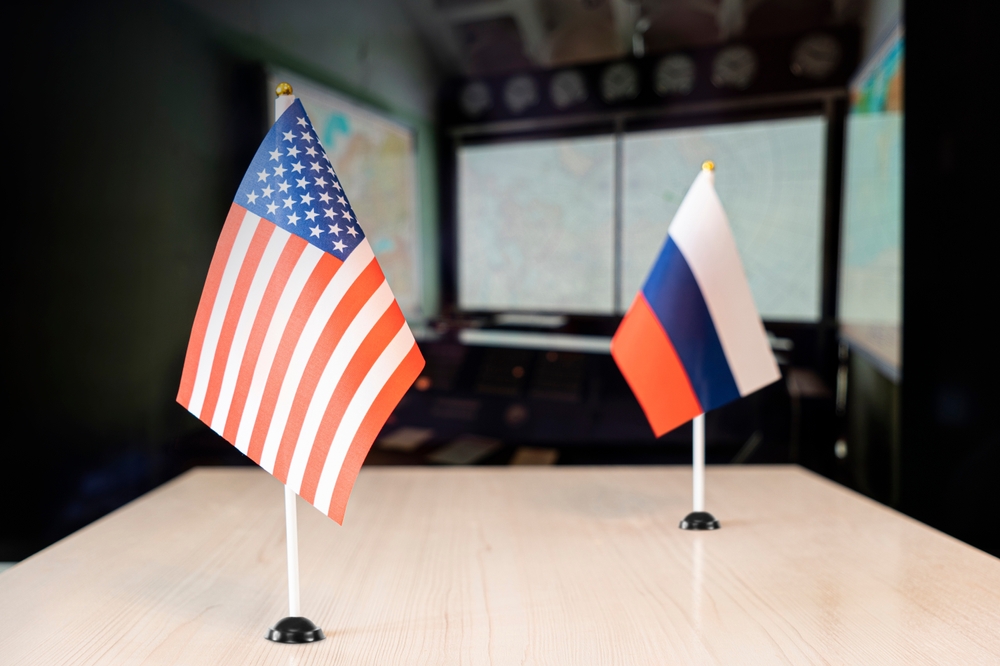
The deal is seen by Moscow as a chance to reframe U.S.-Russia relations around shared economic interests. By appealing to Trump’s business instincts, the Kremlin hopes to break free from isolation and foster long-term cooperation.
Witkoff: “Trade is the best defense”

“If we succeed and everyone benefits, it will automatically constitute a bulwark against future conflicts,” Witkoff told The Wall Street Journal, echoing the idea that trade partnerships could act as a safeguard against renewed hostilities.
Oligarchs and quiet lobbying

The groundwork for this deal didn’t happen overnight. U.S. media reports that Russian oligarchs close to Putin have spent months engaging American companies, pitching large investment opportunities to entice U.S. cooperation.
European concerns rise

The potential sidelining of Europe in this agreement has sparked tension. Since most of the frozen Russian assets are held in Europe, EU leaders are wary of being left out of a deal that seems to prioritize American and Russian interests.
EU’s competing “repair loan” plan

European countries have floated their own plan to use the frozen Russian assets to back a reparations-style loan for Ukraine. But internal disagreements, particularly with Belgium, threaten to derail that proposal before it can be finalized.
Belgium says no, for now

Belgium, home to Euroclear, the firm holding €210 billion of Russia’s assets, has already rejected the EU’s reparations plan. Prime Minister Alexander De Croo has said he won’t risk Belgian security without ironclad support from the entire EU.
Brussels fears Russian retaliation

De Croo’s letter to the European Commission on November 27 highlighted a key concern: if Europe acts alone, Belgium may become the primary target for Russian retaliation. He’s left the door open, but only if all 27 EU members stand united.
A race against time in Europe
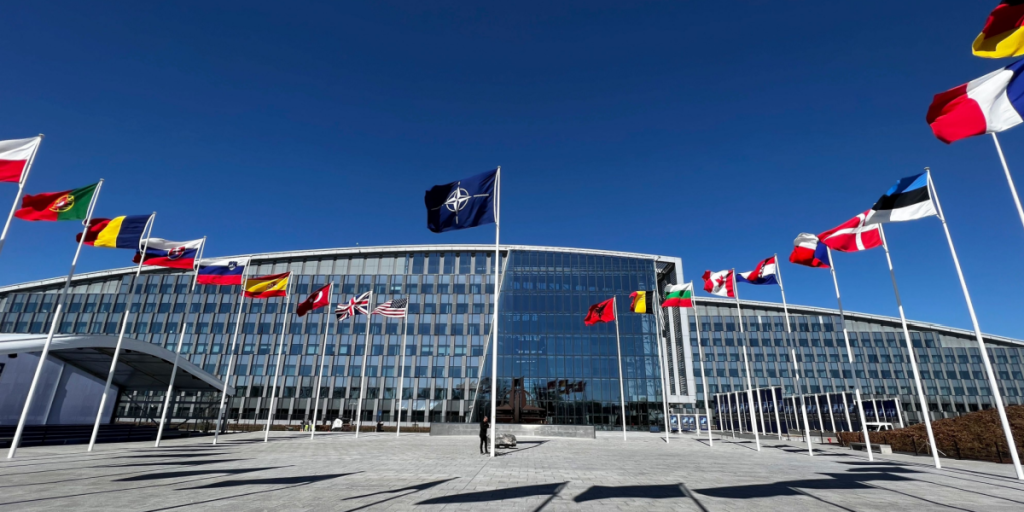
The EU now faces a deadline of December 18–19 to resolve internal divisions and get Belgium on board before the next European Council meeting. Meanwhile, the U.S. and Russia may be closing in on a deal that changes the balance of global diplomacy.



