
 Edith Hejberg
Experts stress that Iran still holds authority over who can pass.


A two-week conditional ceasefire between the US and Iran has raised hopes for movement in the strait of Hormuz.
But analysts say expectations should be kept in check.
The agreement allows for a temporary reopening of the key shipping route.
Even so, the overall situation remains tightly controlled.
Iran keeps firm control over transit
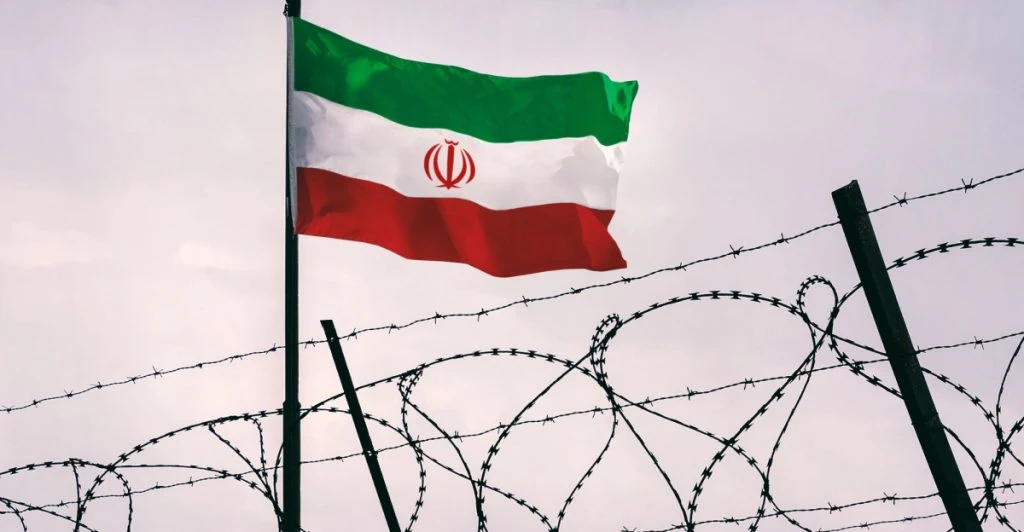
Experts stress that Iran still holds authority over who can pass.
Ships must continue to seek approval before entering the strait.
Without permission, vessels cannot move through the channel.
This central control limits any immediate surge in traffic.
Warnings from iranian coastguards

Iran has said it will coordinate safe passage with its armed forces.
At the same time, coastguards issued a stark warning.
Any ship attempting to pass without approval would be “targeted and destroyed”.
This threat adds to the cautious mood among ship operators.
Uncertainty after reported ceasefire breach
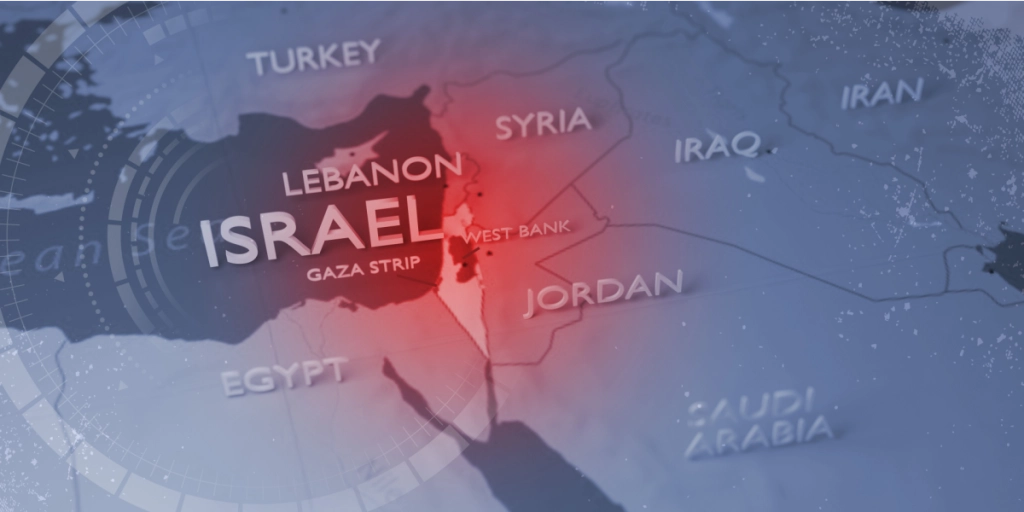
Confusion emerged after reports of renewed tensions.
Iranian media said tankers had been stopped following Israeli strikes in Lebanon.
These actions were described as a “ceasefire breach”.
The status of safe passage quickly became unclear again.


Analysts see no sudden surge in traffic
Richard Meade of Lloyd’s List Intelligence said the ceasefire changes little in practice.
He explained that Iran’s control remains the key factor.
“No permission, no transit,” he said.
As a result, a rapid increase in ship movements is unlikely.
Thousands of ships remain stranded

The UN estimates around 2,000 ships are stuck in the Gulf.
About 20,000 seafarers are unable to continue their journeys.
The vessels include oil tankers, cargo ships, and cruise liners.
All are waiting for safe conditions to return.
Shipowners take a cautious approach
Some captains have begun safety checks in case departures become possible.
However, most shipowners are not rushing to move.
They want clear guidance before taking risks.
Safety remains the top priority.
Expectations of a slow restart

Meade urged caution over hopes of a quick exit.
“We probably need to temper expectations of there being a mass exodus immediately.”
Shipowners are waiting for details on procedures and requirements.
For now, little has changed from previous days.
Iran’s ceasefire plan maintains control system

Under Iran’s 10-point plan, passage is allowed under military management.
This continues a system already used during the conflict.
Only “non-hostile vessels” are granted access.
Iran defines which ships meet that condition.
Traffic remains far below normal levels
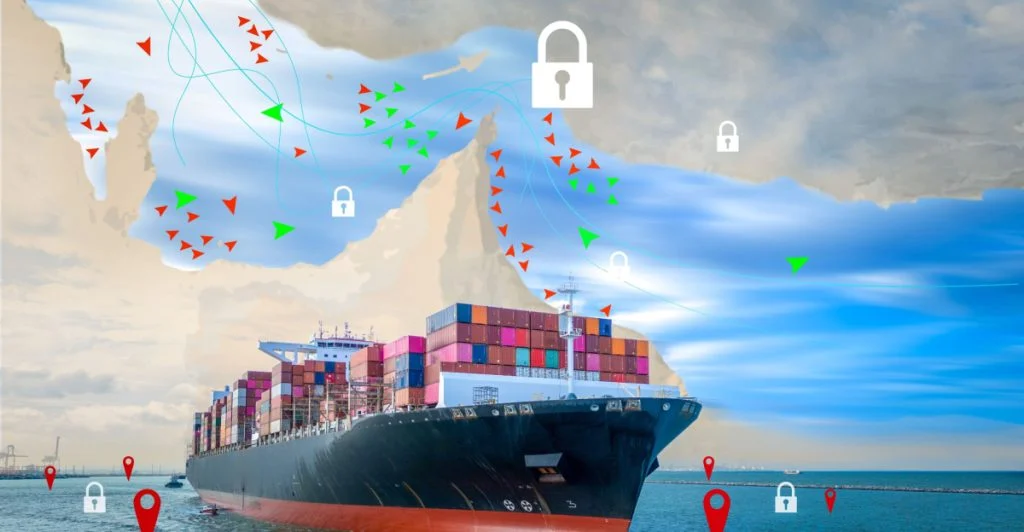
Only a small number of ships pass through each day.
Recent figures show about 21 daily crossings.
Before the war, around 140 ships used the route each day.
The gap highlights how restricted the strait remains.
Added costs and risks for vessels

Reports suggest Iran and Oman may charge up to $2m per ship.
This adds a major financial burden to transit.
At the same time, risks remain high after attacks on vessels.
More than 20 ships have been targeted since the war began.
Seafarers’ safety remains a key concern

Union leader Stephen Cotton welcomed the ceasefire cautiously.
“It is really good news, but we still want some forms of guarantee [of safety],” Cotton said.
He stressed the need for clear plans and confidence-building steps.
Crews need to know who moves first and under what conditions.
New routes and long-term caution
Ships that do move are using a new northern corridor.
This route keeps them within Iranian territorial waters.
It allows close monitoring but limits capacity in the narrow strait.
Many companies remain wary, with some refusing to return at all.
As one executive said, the ceasefire “won’t change” their current stance.



