
 Kenneth Glad

Voters returned the ruling party after a campaign shaped by war, borders and foreign pressure. The result leaves Yerevan with more room to pursue peace talks, but fewer excuses if they stall.

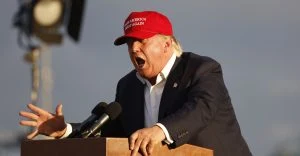
Armenian Prime Minister Nikol Pashinyan won a new mandate on June 8 after his Civil Contract party received 49.8% of the vote, according to United24 Media.
Uzhégh Hayastan (translated: Strong Armenia), the main Moscow-friendly challenger, took 23.2%.
The result gives Pashinyan space to continue talks with Azerbaijan, seek warmer ties with Turkey and push Armenia closer to Europe.
For Armenian households, the stakes are immediate: Open borders and trade routes could affect jobs, prices and travel after decades of regional isolation.


Voters chose talks over reversal
Pashinyan, a former journalist who rose to power after Armenia’s 2018 Velvet Revolution, framed the election around ending conflict.
After the vote, he said: “My message to the people of Turkey and Azerbaijan: The people of Armenia voted for peace and regional cooperation,”
That approach remains divisive, however. Many critics blame him for the 2023 loss of Nagorno-Karabakh, where Azerbaijan took control after decades of Armenian rule.
BBC writes that the defeat remains central to public anger against him. But the opposition did not turn that anger into victory.
According to The Guardian, Strong Armenia is linked to Russian-Armenian billionaire Samvel Karapetyan, and many voters remained wary of forces seen as too close to Moscow.
Moscow pushed hard before election day
Russia tried to make the choice expensive. According to the BBC, Moscow banned several Armenian exports shortly before the vote, including flowers, mineral water, brandy, vegetables and fruit.
Putin also pointed to Armenia’s reliance on cheap Russian gas. He warned that “the crisis in Ukraine began with efforts to move toward EU accession”, the BBC reports.
United24 Media reported claims of Russian pressure through trade, messaging and election-related influence efforts.
The EU answered with financial support, while Washington, according to The Guardian, expanded its role in Armenia-Azerbaijan diplomacy.
Peace now carries the burden
The election does not free Armenia from Russia’s economy. The country remains in the Eurasian Economic Union and still depends on Russian energy, even as it has suspended participation in the CSTO security alliance.
Nor does the result settle the hardest question. Pashinyan did not secure the supermajority needed for constitutional changes sought by Azerbaijan before a final peace agreement.
That leaves him with a mandate, but not a blank check. If borders open, trade expands and the risk of war recedes, the vote may look like a turning point.
If talks fail, the same result will become evidence that Armenia chose a difficult road without guarantees.
Sources: United24 Media, BBC, The Guardian



