
 Edith Hejberg

The funding would help sustain Ukraine’s military and essential services, a move von der Leyen says is crucial for Kyiv to negotiate peace from a “position of strength.”


Brussels is hosting emergency talks that could shape the future of European independence. German Chancellor Friedrich Merz, European Commission President Ursula von der Leyen, and Belgian Prime Minister Bart De Wever are meeting privately to discuss a stalled EU plan to fund Ukraine.
With pressure mounting, Merz warns that the outcome could define Europe’s role in global affairs.
Ukraine’s survival depends on EU action

The urgency stems from Ukraine’s financial crisis amid ongoing Russian aggression. EU leaders are scrambling to find a way to raise around €90 billion to support Kyiv through 2026 and 2027.
The funding would help sustain Ukraine’s military and essential services, a move von der Leyen says is crucial for Kyiv to negotiate peace from a “position of strength.”


Von der Leyen offers two paths forward

The Commission president has proposed two financing options: one involves borrowing on international markets backed by the EU budget, while the other uses frozen Russian assets as collateral for loans to Ukraine.
Both plans aim to send a powerful signal to Moscow, showing Europe’s long-term commitment to Ukraine.
Belgium digs in its heels
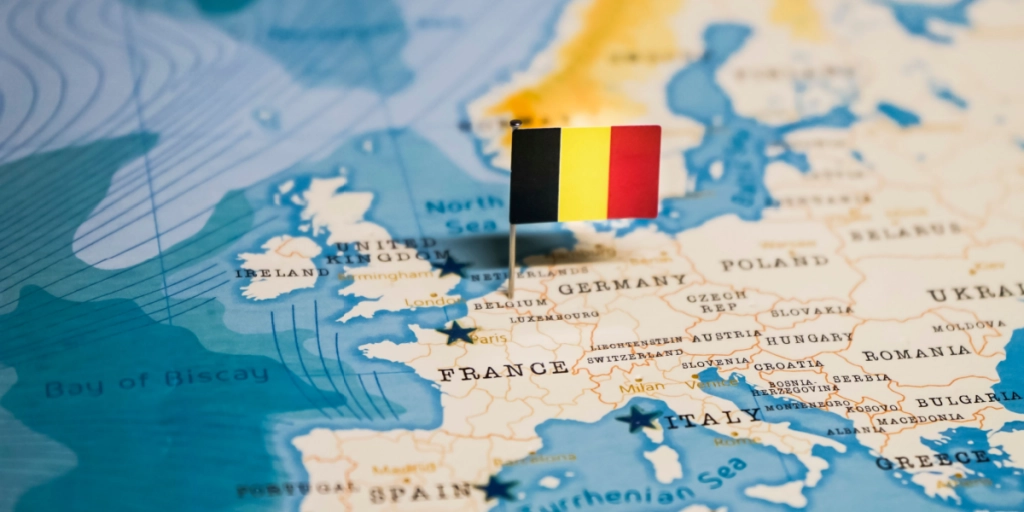
Belgium remains a key obstacle to the asset-backed loan plan. As host to around two-thirds of the €290 billion in frozen Russian funds, Belgium fears legal retaliation if those assets are used. Prime Minister De Wever argues the plan puts his country at enormous financial and legal risk should Russia seek repayment or win future claims.
A legal and political tightrope

While the EU insists the proposal is legal under both EU and international law, critics argue it crosses a red line.
De Wever warned that “stealing from the bad to give to the good” may sound appealing, but confiscating sovereign assets in wartime sets a dangerous precedent. Even in World War II, he said, German state funds weren’t seized.
Merz calls for shared responsibility
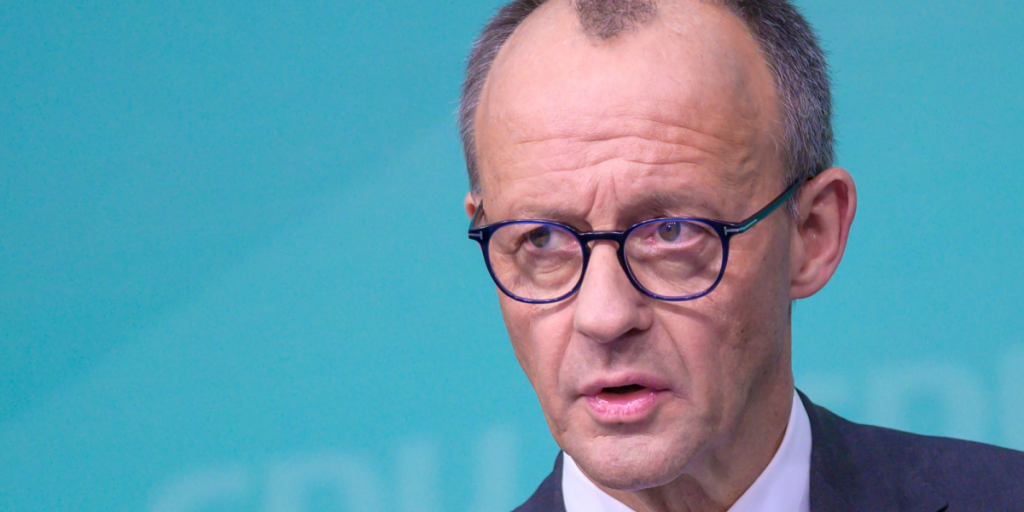
Chancellor Merz, in a sharply worded editorial, urged EU leaders to act decisively. He proposed a system where all member states would share the financial risk according to their economic size.
This, he said, would ensure Belgium isn’t left to bear the consequences alone if Russia retaliates.
Russia’s warning hangs over Brussels

De Wever revealed that Moscow has directly threatened Belgium if the frozen funds are used.
He described the idea of Russia losing the war and accepting reparations as “a complete illusion,” warning that his country, and he personally, would feel the fallout “for eternity” if the assets are seized.
Diplomatic stakes sky-high

With just weeks until the next major EU summit on December 18, diplomats say failure to agree on Ukraine funding would not only weaken Kyiv but damage the EU’s credibility.
“If we cannot do something as important as providing funds for Ukraine, then we have truly failed,” one EU diplomat told The Guardian.
Hungary also complicates the picture

Beyond Belgium, Hungary’s resistance to joint EU borrowing poses another hurdle.
Any agreement on loans from the shared EU budget requires unanimity among all 27 member states, a bar that’s increasingly difficult to reach in today’s fractious political climate.
Time is running out

Ukraine’s resources are running dangerously low, and delays in EU action could have serious consequences.
Observers warn that the EU must act quickly to avoid giving Russia a strategic advantage, both on the battlefield and at the negotiating table.
Sending a message to Moscow
Using frozen assets as collateral, rather than confiscating them, is designed to show Russia that Ukraine can sustain a long-term fight.
EU leaders hope this tactic will pressure Moscow to negotiate, knowing that Kyiv isn’t on the brink of collapse.
Brussels debates, Kyiv waits
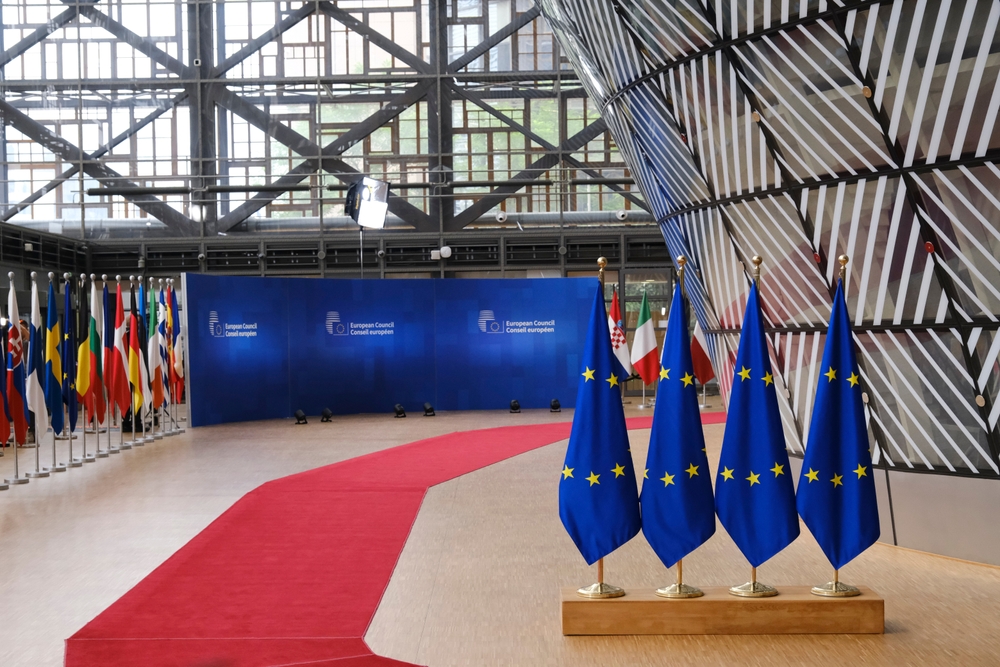
While leaders dine and deliberate in Brussels, Ukraine is caught in limbo. Without new funding, its military and public institutions face immense strain.
The longer the EU delays, the higher the cost, not just in euros, but in human lives and geopolitical stability.
The future of Europe on the line
Chancellor Merz closed with a stark warning: “What we decide now will determine the future of Europe.” He described Russia as preparing militarily for conflict with the West and urged the EU to show unity and strength.
“Europe must decide and shape what happens on our continent,” he said, and time is running out.



