
 Edith Hejberg
Orbán’s defeat removes a strong political ally just months before Israelis head to the polls.

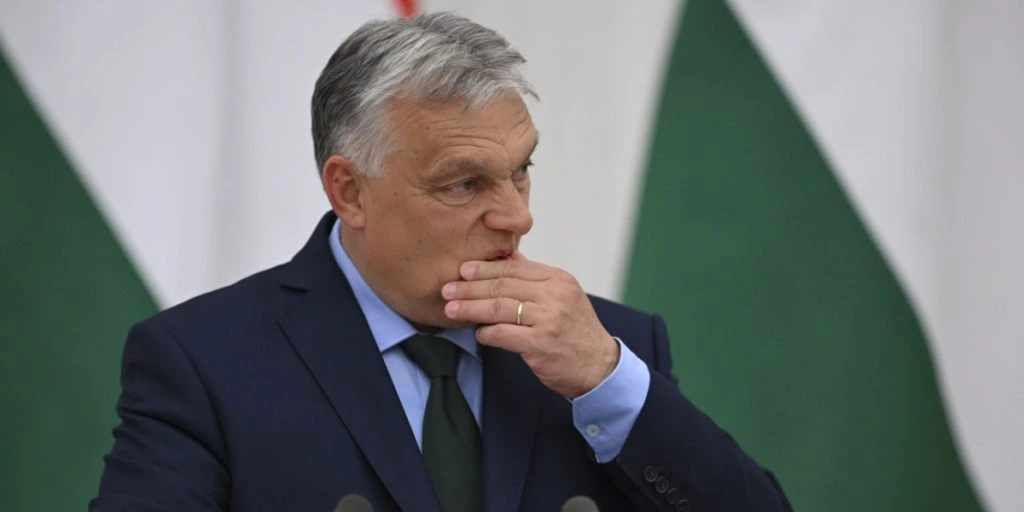
Hungarian Prime Minister Viktor Orbán has suffered a clear electoral defeat, ending a long period of political dominance.
The result is not just a domestic turning point, it carries international weight.
Among those most affected is Israeli Prime Minister Benjamin Netanyahu, one of Orbán’s closest allies in Europe.
The loss weakens a partnership that has shaped regional and global politics for over a decade.
A setback for Netanyahu in a crucial year
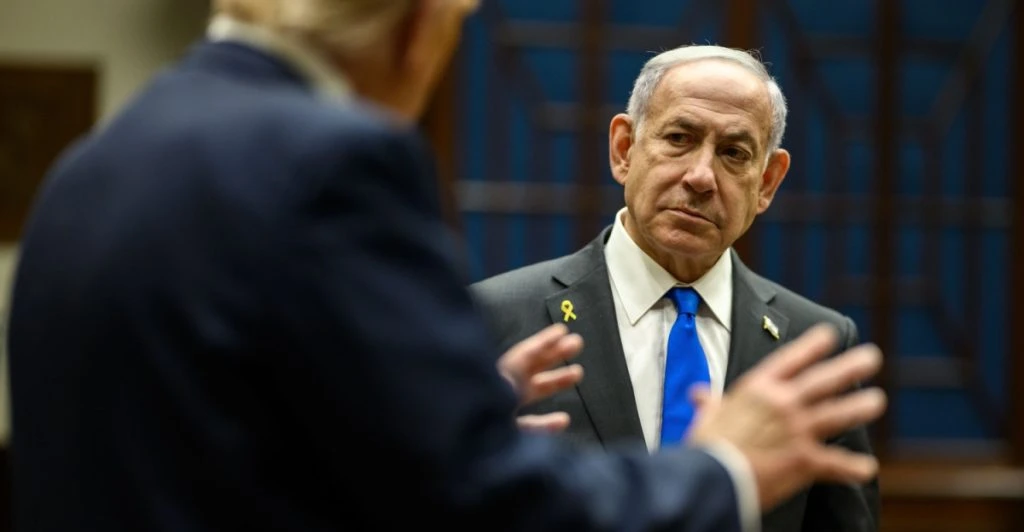
Netanyahu faces his own election later this year, making the timing especially significant.
Orbán’s defeat removes a strong political ally just months before Israelis head to the polls.
It also shifts the narrative, giving Netanyahu’s critics fresh momentum.
The outcome in Hungary is now being closely watched in Israel’s political arena.
Public support and personal endorsements
Netanyahu had openly backed Orbán during the campaign.
In a pre-recorded video for CPAC, he praised him, saying: “Viktor Orbán means safety, security, stability.”
His son, Yair Netanyahu, also showed strong support, attending the event in Budapest.
He even described the Hungarian capital as “almost a second home.”
A complex stance on antisemitism

Netanyahu has often highlighted Orbán’s actions against antisemitism.
At the same time, Orbán has faced criticism over historical narratives and public rhetoric.
Accusations include revising Hungary’s Holocaust history and targeting figures like George Soros.
These tensions have not prevented the two leaders from maintaining close ties.


A diplomatic response after the loss

Following the election, Netanyahu responded quickly on social media.
He described Orbán as a “true friend of Israel, who stood firmly by Israel’s side in the face of unjust international vilification.”
At the same time, he extended congratulations to the election winner, Peter Magyar.
The statement balanced loyalty with diplomatic necessity.
Shared political networks and strategy

The relationship between the two leaders extends into campaign strategy.
Israeli media reported that Netanyahu’s pollster, John McLaughlin, also advised Orbán.
McLaughlin is known for his work with former US President Donald Trump.
This overlap reflects a broader network of aligned political figures and tactics.
More than ideology: a strategic alliance

The Orbán-Netanyahu partnership goes beyond shared messaging.
It has delivered tangible political benefits on the global stage.
Their cooperation has helped shape responses to international pressure.
For both leaders, the alliance has been both ideological and practical.
Hungary’s role in shielding Netanyahu
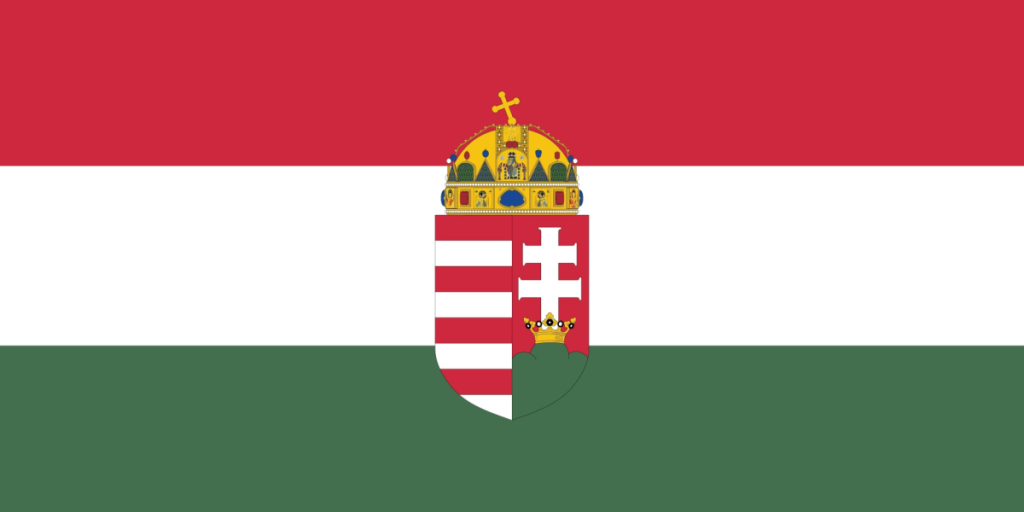
One key moment came after the International Criminal Court issued arrest warrants against Netanyahu.
Hungary responded by withdrawing from the ICC.
This move made Hungary one of the few places Netanyahu could visit without legal risk.
It underscored the depth of political support from Budapest.
Blocking European pressure on Israel

Orbán has repeatedly used Hungary’s position within the European Union to support Israel.
EU decisions often require unanimous agreement among member states.
Orbán has blocked attempts to condemn or sanction Israel.
His absence from power could change that dynamic.
A boost for Israel’s opposition

In Israel, opposition figures have welcomed Orbán’s defeat.
They see it as proof that long-standing leaders can be unseated.
Efrat Rayten called the result “a message of hope.”
The outcome has energized those seeking political change at home.
Lessons about power and accountability
Rayten emphasized the broader meaning of the result.
“The idea that a leader who controls the institutions and the media is immune to defeat has been shattered,” she said.
For many in Israel, this challenges assumptions about entrenched leadership.
It suggests that democratic systems can still produce change.
Hungary as a warning and a comparison
Israel’s opposition has long pointed to Hungary as a cautionary example.
Critics argue Netanyahu has pursued similar policies affecting courts and media.
The slogan “Israel will not become Hungary” became central during protests in 2023.
The comparison remains a powerful political tool.
Hope tempered by political reality

Despite the optimism, Orbán’s defeat does not guarantee change in Israel.
Rayten stressed that success depends on unity among opposition parties.
“Change does not happen only in the corridors of Parliament,” she said.
“It begins in the streets, with people who refuse to give up.”
Whether Israel’s opposition can unite remains an open question.



