
 Kenneth Glad
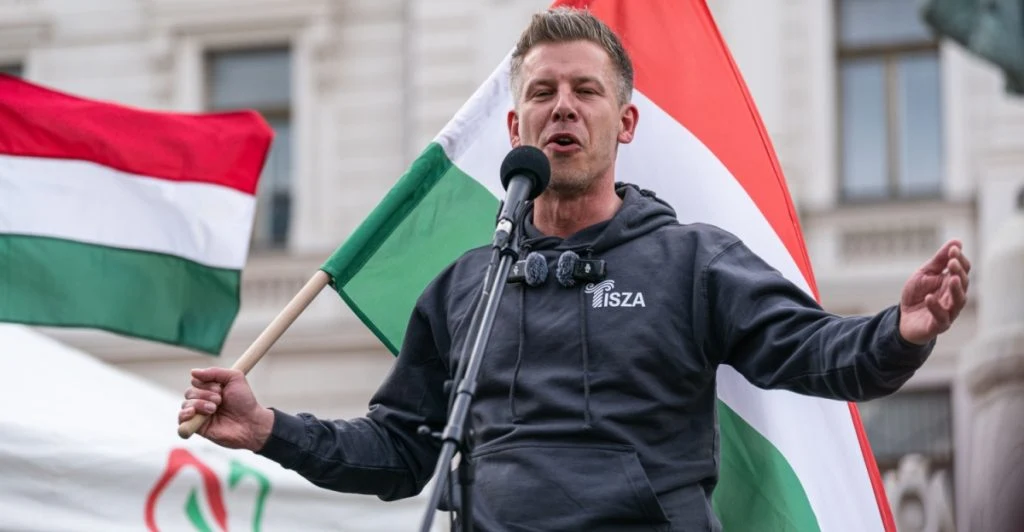
The election result is sending ripples through Europe, raising expectations of a policy shift while highlighting the limits of how quickly change can happen. The outcome challenges years of positioning that often placed Budapest closer to Moscow than many of its EU partners. For the European Union, the vote could reduce internal divisions. For Russia, it signals the loss of a key ally, even if practical ties remain intact for now.


Péter Magyar’s victory ends Viktor Orbán’s long rule, which had been marked by repeated disputes with EU institutions over rule-of-law issues and frozen funding, alongside a pragmatic relationship with Moscow.
Analysts say Hungary has functioned as a swing player inside the EU, at times delaying consensus on key foreign policy decisions. A change in leadership could reduce that friction and strengthen coordination within the bloc.
Political scientist Bogdan Góralczyk told the Polish outlet Wiadomosci WP that the result sends a very strong international signal, suggesting renewed momentum for European cooperation.
Signals from Kyiv
Ukraine reacted quickly, indicating readiness to rebuild relations after a tense period shaped by campaign rhetoric and political disputes.


President Volodymyr Zelensky said Ukraine has consistently sought good neighborly relations across Europe and is ready to develop cooperation with Hungary.
Foreign minister Andrij Sybiha said the election campaign, which he described as overshadowed by manipulation about Ukraine, is now over. He added that Kyiv hopes to restore normal political and consular cooperation.
As reported by the Polish newssite, these early statements point to a broader effort to reset ties and reduce tensions between the two countries.
Despite the political shift, analysts expect changes to unfold gradually. Góralczyk noted that public attitudes shaped during Orbán’s tenure will require careful handling rather than abrupt policy reversals.
Polish political scientist Robert Rajczyk told WP that Magyar supports Ukraine’s EU membership, but without a fast-track accession process, reflecting a cautious and measured approach.
Russia and energy
Early priorities for the new leadership are likely to include unlocking frozen EU funds and rebuilding trust with European partners, both of which are critical for Hungary’s economic stability.
Russia’s restrained response reflects the broader stakes of the election outcome. State media highlighted Magyar’s earlier comments that Hungary would negotiate with Moscow when necessary but would not seek a close political relationship.
This position illustrates Hungary’s central dilemma. The country remains heavily dependent on Russian energy, relying on long-term gas contracts and pipeline infrastructure built over decades, as well as nuclear cooperation.
Rajczyk noted that Magyar’s TISZA-party aims to end reliance on Russian energy by 2035, though detailed plans have yet to be outlined.
This means that continued negotiations with Moscow will be unavoidable in the near term, even as Hungary looks to diversify supply and strengthen energy security.
Source: Wiadomosci WP



