
 Kenneth Glad
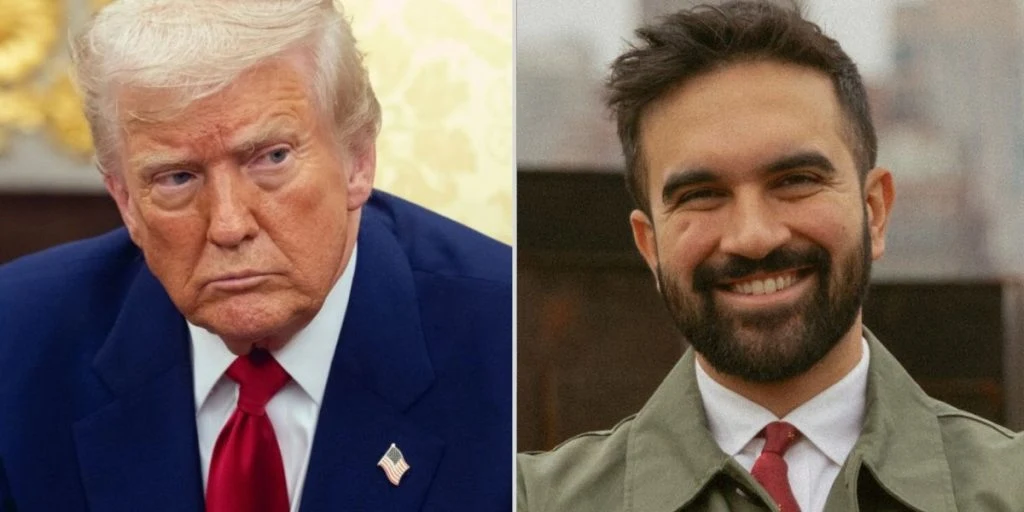
The President has launched an attack on New York City’s latest tax proposal, whichhas transformed a local housing measure into a national flashpoint. The dispute now goes beyond policy details, touching on investment, inequality and the future of high-end real estate in major cities. At issue is a plan that could directly affect thousands of expensive properties that sit empty for much of the year.


Donald Trump is not happy, and his criticism is sharp. As reported by Forbes, he wrote: “The TAX, TAX, TAX Policies are SO WRONG,” accusing city leaders of pushing policies that could undermine economic confidence.
The remark quickly raised the stakes. What had been a municipal revenue proposal is now tied to a broader question: Will taxing wealth tied up in property discourage investment in cities like New York?
Governor Kathy Hochul rejected that argument, saying: “If you can afford a $5 million second home that sits empty most of the year, you can afford to contribute like every other New Yorker.”
That contrast captures the divide. One side sees risk to growth; the other sees a fairness gap that needs closing.


Focus on idle wealth
The proposal itself targets so-called pied-à-terre properties, high-value homes owned by people who live elsewhere. USA Today notes the tax would apply to residences worth over $5 million that are not primary homes.
These units have become a visible part of Manhattan’s skyline but not always its daily life. Some housing analysts estimate that a notable share of luxury apartments remain unoccupied for much of the year, limiting their role in easing supply pressures.
City officials describe the measure as targeting “ultrawealthy out-of-city residents and global elites who use New York City real estate as a vehicle for wealth storage rather than as homes,” writes USA Today.
The city expects roughly $500 million in annual revenue. Economists caution, however, that outcomes depend on behavior. Owners might rent out properties, sell them, or redirect investments, each scenario producing very different effects on housing availability and tax intake.
Lessons from elsewhere
Efforts to tax underused housing are not new, but results have been uneven. USA Today points to policies in places like British Columbia and Oakland, where vacancy taxes were introduced to bring empty homes back into use.
In France, property wealth is taxed once it crosses a defined threshold, reflecting a different approach but a similar concern: real estate functioning as a financial asset rather than housing.
The track record is mixed. Some cities have nudged more units onto the rental market, while others have struggled with enforcement or seen limited change.
Mayor Mamdani framed the proposal as part of a broader correction, stating: “Alongside the governor, our administration is fighting every day to make sure we address this fiscal deficit fairly, where the wealthy contribute what they owe and our budget reflects our commitment to the working New Yorkers being priced out of our city.”
The plan now heads toward legislative debate in Albany, where details could shift under pressure from both real estate interests and housing advocates. Whether it becomes law or not, the fight has already signaled something bigger: cities are increasingly willing to test how far they can go in taxing wealth tied up in empty space.
Sources: USA Today, Forbes



