
 Aksel Kryhlmand
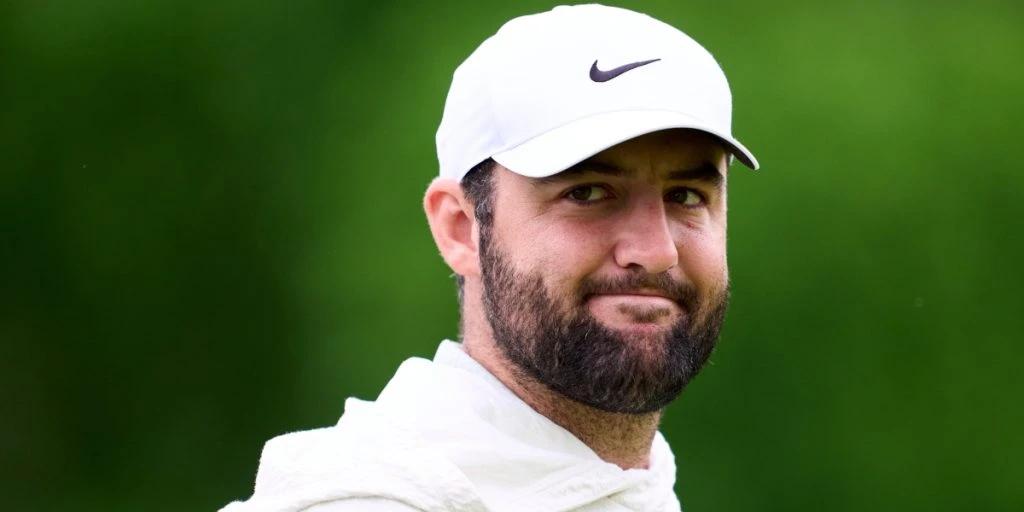
With Tiger Woods and Phil Mickelson absent from the Masters, Augusta feels different this year. Scottie Scheffler has become the central figure in men’s golf, but his presence is defined less by spectacle and more by calm, discipline, and an unusually grounded view of success.


According to Dan Wetzel’s ESPN article, “Scottie Scheffler brings different vibes to Augusta than other star golfers”, this year’s Masters opens without the two aging superstars who once dominated the atmosphere around Augusta. For the first time since 1994, neither Tiger Woods nor Phil Mickelson is part of the field, a shift that underlines how much the tournament has moved into a new era.
Their absence matters beyond the leaderboard. Even at this stage of their careers, Woods and Mickelson still had the kind of presence that drew the biggest crowds and the loudest reactions. They brought drama, edge, and celebrity to the sport, and for years that energy shaped the way golf’s biggest events felt.
A very different face of golf
Scheffler now stands where Woods and Mickelson once stood, as the most important figure in the sport and the player many fans expect to define the week. But the comparison mostly ends there.
Where past stars often carried an aura of intensity, controversy, or theatrical confidence, Scheffler comes across as remarkably ordinary off the course, in the best possible way. He is soft spoken, family focused, and notably careful not to let golf become the whole of his identity. That restraint has become part of his appeal, especially at a time when so much of modern sports culture rewards noise over steadiness.


According to Wetzel’s reporting for ESPN, Scheffler spoke again this week about not wanting wins or losses to define him. That perspective is unusual for an athlete at his level, particularly one who has spent 186 straight weeks ranked No. 1 in the world. Yet it also helps explain why he feels so different from the stars who came before him.
Success without spectacle
There is nothing casual about Scheffler’s golf, even if his personality can seem understated. At 29, he already owns four major titles, including Masters victories in 2022 and 2024. Players do not reach that level without extraordinary focus, discipline, and competitive drive.
What sets him apart is the way he talks about ambition. Rather than presenting every tournament as a referendum on who he is, Scheffler appears determined to keep performance in proportion. That does not make him less serious about winning. It makes him less consumed by the mythology that often surrounds elite athletes.
That distinction matters. Golf has long celebrated players who seem larger than life, but Scheffler’s version of greatness is more restrained. He does not try to dominate a room. He does not appear interested in cultivating mystique. He simply shows up as himself, then plays at a level very few people in the sport can reach.
Family life shapes the mood
One of the more revealing details in the ESPN piece is how naturally Scheffler shifts from discussing Augusta to discussing home life. Wetzel notes that Scheffler seemed more comfortable talking about his wife, Meredith, and their young children than breaking down his swing. That detail gives the story much of its texture.
Instead of performing the role of untouchable superstar, Scheffler sounds like someone balancing elite competition with the same domestic routines many readers would recognize. That tone helps explain why his public image feels so grounded. It is not manufactured modesty. It reads more like a genuine refusal to treat fame as the center of his life.
Even during Masters week, one of the most pressurized settings in sports, the story around him includes midnight wake ups, family responsibilities, and the low grade chaos of parenting. That does not make him less compelling. It makes him more believable.
Why Augusta feels different this year
The mood at Augusta has changed, and Scheffler is a major reason why. He may not generate the same flash, turbulence, or raw magnetism that once followed Woods and Mickelson, but he represents something the sport can still build around, excellence without constant theater.
That shift may not satisfy everyone who misses the louder eras of men’s golf. Still, it says something important about where the game is now. Scheffler’s presence suggests that dominance does not always need spectacle, and that a player can become the defining figure of his generation without turning every appearance into an event.
According to Wetzel’s ESPN column, Scheffler seems most comfortable when the attention is on the golf rather than on himself. At Augusta, that attitude creates a different atmosphere, calmer, less combustible, but no less significant. In its own way, that may be exactly what this Masters needs.
Sources: ESPN, Dan Wetzel



