
 Mikkel Christensen
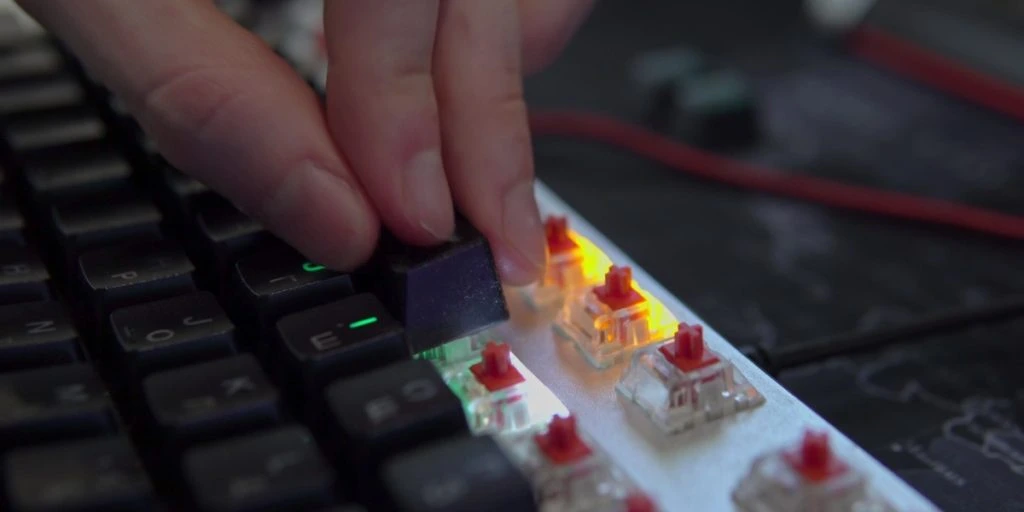
Mechanical keyboards have become increasingly popular thanks to their customization options and distinct typing feel.
Others are reading now


Mechanical keyboards have become increasingly popular thanks to their customization options and distinct typing feel.
One of the most important elements users can tweak is the switch type.
Each switch is identified by color, offering different feedback, sound and responsiveness.
According to BGR, keyboard switches generally fall into three categories: linear, tactile and clicky. These determine how a key feels when pressed and how quickly it responds.


Understanding these differences can help users choose the right setup for gaming, typing or everyday use.
Main switch types
Linear switches provide a smooth keystroke with no bump or click. They are often preferred for fast-paced gaming where quick inputs are essential.
Clicky switches, by contrast, produce both a noticeable bump and an audible click. This makes them popular among users who want clear feedback when typing.
Tactile switches sit between the two, offering a bump without the loud click, making them a balanced option.
Popular colors
Among the most common options are red, blue and brown switches. Each offers a different experience depending on user preference.
Red switches are linear and require less force, making them popular for gaming. Blue switches are clicky and louder, often favored by people who type frequently.
Brown switches are tactile, combining feedback with quieter operation, which suits both typing and gaming.
Other variations
Additional switch colors provide more specialized options. Black and yellow switches are also linear but differ in how much force is needed to press them.
Heavier switches like black require more pressure, offering more control, while yellow switches fall somewhere in between.
These variations allow users to fine-tune their typing experience based on speed and accuracy.
Niche options
Less common switches cater to specific preferences. Silver switches, for example, are designed for faster actuation, appealing to competitive gamers.
Clear switches require more force and are aimed at users who prefer deliberate typing. Green switches offer a louder click for those who enjoy a more pronounced sound.
While not as widely used, these options highlight the level of customization available in mechanical keyboards.
Choosing the right fit
Selecting a switch often comes down to personal preference and use case. Gamers may prioritize speed, while writers and programmers may focus on feedback and comfort.
BGR notes that many users experiment with different switches or even mix them to create a tailored experience.
As mechanical keyboards continue to grow in popularity, switch variety remains a key part of their appeal.
Sources: BGR



