
 Kenneth Glad
New information has emerged from a recent study. The findings add to ongoing research in the field.


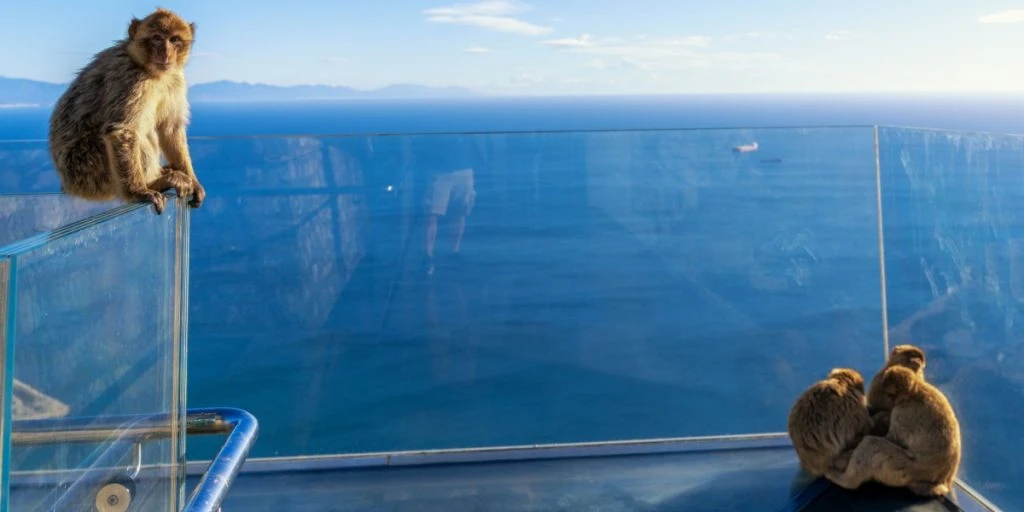
A cluster of unusual feeding habits among Gibraltar’s Barbary macaques is drawing scientific scrutiny, with new research suggesting the animals may be compensating for the effects of human food.
The findings, published in Scientific Reports, point to a subtle but growing intersection between wildlife behavior and mass tourism on the Rock.
The study documents how macaques across Gibraltar, a population of about 230 animals, have been repeatedly observed consuming soil, a behavior known as geophagy.
The Guardian reports that this pattern appears strongest among groups living closest to tourist routes.


Although the monkeys are officially provisioned with fruit, vegetables and seeds, their diet is frequently supplemented by visitors offering snacks.
Items such as crisps, chocolate bars and ice-creams are commonly given or taken, writes the newspaper.
Researchers writing in Scientific Reports found that nearly one-fifth of the macaques’ overall food intake came from these human sources, particularly in high-traffic areas where contact with people is harder to control.
Patterns and possible causes
What makes the behavior notable is not just its frequency but its timing. The study recorded 44 monkeys eating soil on 46 separate occasions, sometimes shortly after consuming foods like biscuits or ice-cream, suggesting a direct physiological response.
Seasonal shifts reinforce that link. During quieter winter months, when visitor numbers fall, both junk food consumption and soil-eating declined, indicating that the two behaviors may be closely connected rather than coincidental.
Dr Sylvain Lemoine, a behavioural ecologist at the University of Cambridge, offered one explanation for the pattern:
“We think that eating this junk food disrupts the composition of the microbiome and we know that bacteria and minerals in soil can help recompose the microbiome and alleviate the negative effects.”
In other words, the soil may act as a natural buffer against digestive disruption.
Risks beyond diet
Geophagy has been observed in other primates and is often linked to detoxification or mineral intake.
In Gibraltar, however, the study suggests the behavior may also spread socially, with different groups favoring distinct soil types, an indication that learning plays a role alongside biology.
There is a less reassuring side to this adaptation. Some macaques have been seen scraping soil from roadside areas, where contamination from traffic is likely.
Researchers behind the Scientific Reports paper highlight the need to test these materials for pollutants, given the potential health risks.
Dr Paula Pebsworth of the University of Texas at San Antonio, cited by The Guardian, said that while soil consumption might help animals cope with dietary stress, reducing human feeding would be a more effective solution. Restrictions already exist, but enforcement remains inconsistent.
Taken together, the findings offer a glimpse of how quickly animal behavior can shift under human influence, not through dramatic habitat loss, but through something as simple and routine as a discarded snack.
Sources: The Guardian, Scientific Reports



