
 Kathrine Frich
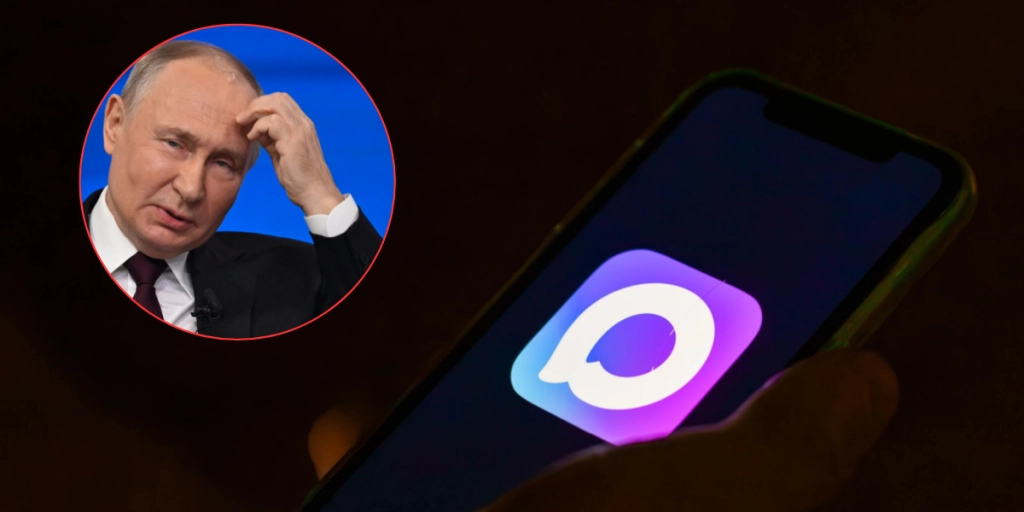
Navigating the digital world usually feels seamless until global politics collide.


Overnight, an entire communication network can vanish with a single corporate decision.
That is exactly what happened this week as a tech giant quietly drew a new line in the sand.
Silicon Valley strike
First signs of trouble emerged on June 3rd. Users quickly noticed the app was completely missing from search results, and attempting to download the platform through direct links only triggered error messages.
Apple later clarified its actions in an official message to the BBC cited by Benchmark. The tech company confirmed it removed the software “in compliance with the laws and regulations in force in the jurisdictions in which it operates.”


While the firm blamed international sanctions for the removal, it declined to name the exact rules it was following. The sudden disappearance marks a huge blow to the Kremlin’s domestic media strategy.
Kremlin alternative
The app, known as Max, was built as a direct state-backed alternative to WhatsApp. Under a decree by Vladimir Putin, the program was scheduled to be pre-installed on all new smartphones, computers, and smart TVs sold inside the country starting in September 2025.
This digital push follows a years-long crackdown on foreign media. Since the full-scale invasion of Ukraine, Russian authorities have completely cut off access to YouTube, Facebook, and Instagram.
To force citizens onto the new state network, officials blocked WhatsApp entirely. They also targeted Telegram, partially blocking its services to strangle independent communication across the country.
Escalating digital war
The removal follows heavy lobbying from Russian opposition figures. In February, Yulia Navalnaya, the widow of Alexei Navalny, urged global tech giants to strip the state-owned platform from their stores to fight government censorship.
For now, citizens can still bypass these digital walls by using virtual private networks. But even that loophole is closing fast.
According to media reports from April, the state regulator Roskomnadzor has already begun targeting these tools. The agency recently adopted a strict long-term plan to block at least 92% of all virtual private network traffic by the end of the decade.
Sources: BBC, Benchmark, Roskomnadzor



