
 Edith Hejberg

In previous Middle East operations involving strategic bombers, the US relied on two key bases.
RAF Fairford in the UK and Diego Garcia in the Indian Ocean have played central roles.
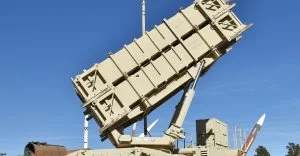

For decades, the United States and the United Kingdom have shared an exceptionally close military partnership.
The UK is the only country that cooperates with the US on nuclear weapons.
British forces have supported most American operations since World War II, even controversial ones.
Now, that relationship appears to be under strain, with London reportedly telling Washington to “stop.”
A new military buildup in the middle east
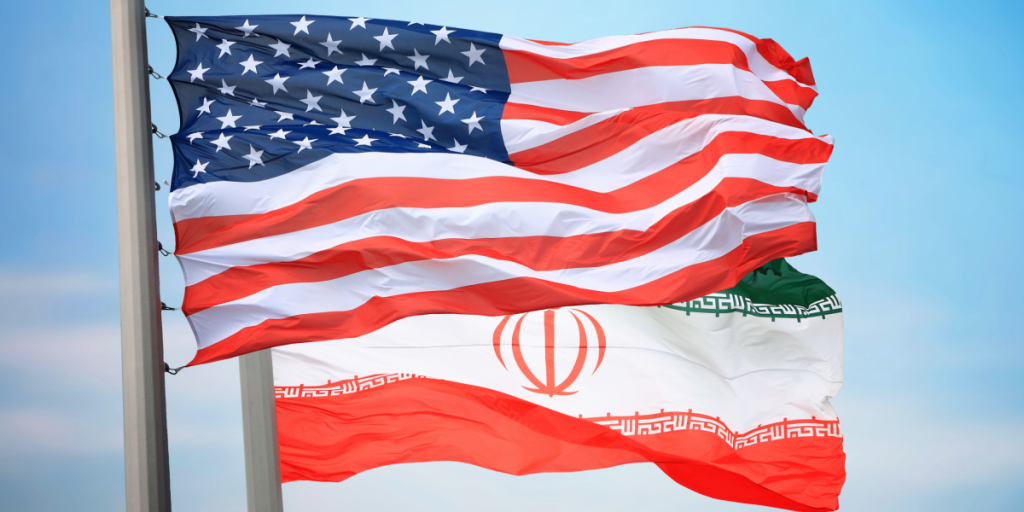
In recent weeks, the US has deployed additional forces to the Middle East.
The goal is to pressure Iran into agreeing to halt the development of nuclear weapons.
Such buildups are common during periods of tension.
This time, however, the scale suggests something more serious may be unfolding.
More than a routine deployment

The US has not only moved combat aircraft into the region.
Electronic warfare planes, communications relay units, and other specialized assets have also been deployed.
These elements are typically associated with complex, high-intensity operations.
Many observers believe the risk of an American strike on Iran is higher than before.
How past operations were staged
In previous Middle East operations involving strategic bombers, the US relied on two key bases.
RAF Fairford in the UK and Diego Garcia in the Indian Ocean have played central roles.
Both are British-controlled facilities.
They have long served as launch points for long-range bomber missions.


Why these bases matter so much
Fairford and Diego Garcia are well suited for sustained bomber deployments.
They offer large ammunition depots, maintenance workshops, and extensive support facilities.
Their locations, roughly 3,700 and 4,000 kilometers from Iran, reduce flight times compared with US-based missions.
Shorter missions mean less crew fatigue and more frequent sorties.
A reported british restriction

According to British media, the UK government has prohibited the US from using these bases for combat missions against Iran.
The Times reported that London fears such an attack could violate international law.
International law forbids not only unlawful attacks, but also granting territory to a country known to be preparing one.
If accurate, this would mark a rare limitation imposed on Washington by its closest ally.
Careful words from london

A spokesperson for the British Ministry of Defence neither confirmed nor denied the reports.
The ministry stated it does not comment on operational matters.
At the same time, it emphasized that the UK supports US efforts to prevent Iran from acquiring nuclear weapons.
The statement leaves open questions about the true scope of any restriction.
Doubts about the legal explanation

Some analysts see the legal argument as a convenient justification.
For decades, the UK has supported unilateral US actions that lacked UN backing.
That history makes the sudden concern over international law appear unusual.
Another dispute may be influencing the current position.
The chagos archipelago background

Diego Garcia is part of the Chagos Archipelago, about 500 kilometers north of Mauritius.
Before Mauritius gained independence, Britain separated the islands to retain control.
The move allowed the creation of a major strategic military base.
Since 1968, Mauritius has sought to regain sovereignty over the archipelago.
A new agreement with mauritius
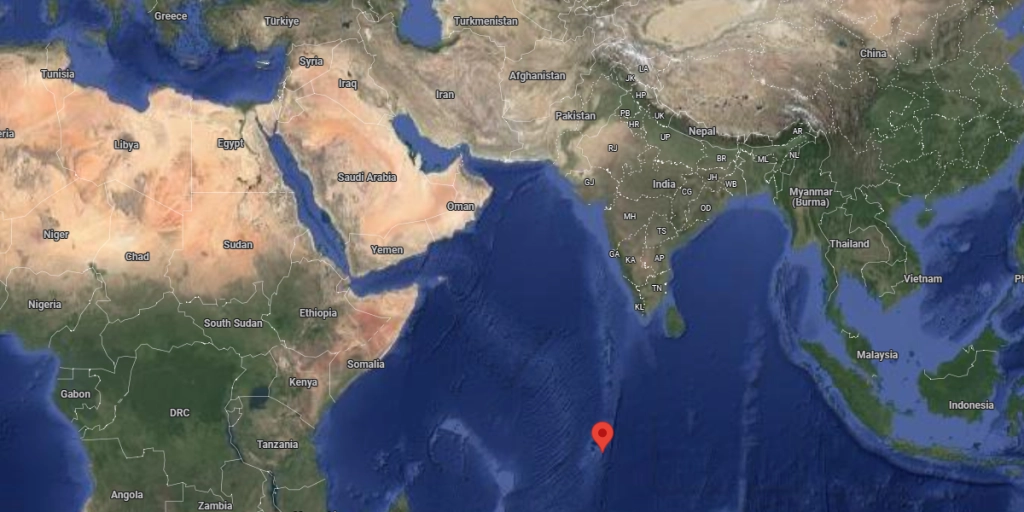
The current British government has agreed to return the archipelago to Mauritius.
Under the deal, the Diego Garcia base would be leased back to the UK for 99 years.
This arrangement preserves the military presence while addressing sovereignty claims.
Yet it has triggered tensions elsewhere.
Trump’s opposition
Donald Trump has openly criticized the agreement.
He views Diego Garcia as a critical strategic asset and does not want it under the authority of a country he considers less friendly to the US than the UK.
In several social media posts, he urged Britain to abandon the deal.
So far, those calls appear to have had little effect.
What would still be allowed

Even if the reported restriction is real, it applies only to combat missions.
Support aircraft, including transport planes and aerial tankers, could still operate from the bases.
The US would also retain access to Mildenhall and Lakenheath in the UK.
The limitation would be significant, but not absolute.
Consequences for planning and alliance

If London has indeed said “stop.” to bomber missions from Fairford and Diego Garcia, the impact could be serious.
US military planners would need to adjust operations and reduce reliance on strategic bombers.
The move could also strain one of the world’s closest defense partnerships.
Even a limited refusal sends a powerful political signal between long-standing allies.



