
 Kathrine Frich
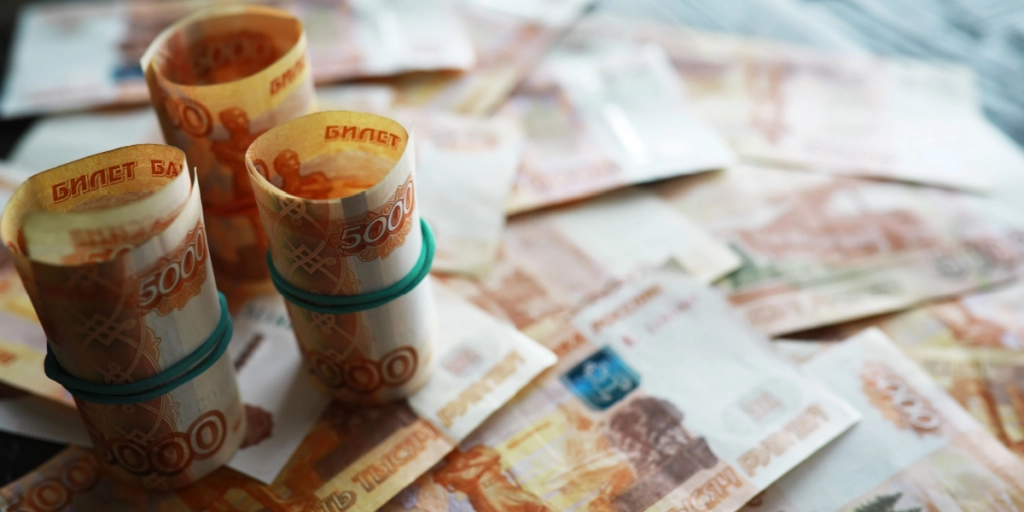
This wave of purchasing directly contradicts recent statements made by top officials in Brussels.

When international conflicts dominate the daily news cycle, public declarations of solidarity often take centre stage.
Governments frequently promise to sever ties with aggressive nations to protect global stability.
Yet behind the scenes of high-stakes diplomacy, commercial realities can tell a completely different story.
Funding the enemy
Europe is currently importing more liquefied natural gas from Russia than ever before. According to data from the analysis firm Kpler cited by Digi24, European Union member states imported a staggering 9.9 million tons of the fuel from a major Arctic facility during the first half of 2026.


This represents a massive 18% increase compared to the exact same period last year.
An analysis by the environmental group Urgewald indicates that European buyers purchased almost the entire output of the facility. The findings show that the bloc handed the Kremlin nearly £5 billion for the fuel.
This happened in the very months that Russia launched devastating missile strikes against Ukrainian infrastructure.
The transaction creates a bizarre contradiction in Western foreign policy. Commenting on the situation, a writer for The Telegraph noted the extreme hypocrisy of the current strategy.
The publication stated, “With one hand we are arming the victim and with the other we are paying the aggressor. This is not politics. It is a farce,”
Breaking the promises
This massive wave of purchasing directly contradicts recent statements made by top officials in Brussels. Just last month, the EU unveiled a fresh round of sanctions targeting Russian banks and transport fleets.
Kaja Kallas, the foreign policy chief for the EU, recently praised the impact of these economic penalties. She stated, “Brick by brick, we are dismantling the foundations of Russia’s war economy,”
However, the data shows that European buyers chose to pick up the slack as Asian demand dropped. Deliveries from the Arctic plant to Asia collapsed by almost 75% as supply shifted directly toward Europe. The main buyers driving this surge were France, Belgium, and Spain.
A dangerous dependency
A large portion of this fuel flows directly through the Belgian port of Zeebrugge. According to reports from focus.de, the terminal unloads the liquefied fuel, converts it back into gas, and sends it via pipeline to neighboring countries like Germany.
While the EU has officially agreed to ban these fuel imports, the restriction will not take full effect until 2027. Critics argue that delaying the ban allows the Kremlin to continue collecting vital revenues.
The Telegraph urged Western allies to take immediate action instead of waiting for the future deadline. They concluded, “The UK, the EU and every ally must divest themselves of Russian oil and gas immediately and completely. Not in 2027. Now.”
Sources: Digi24, Kpler, Urgewald, focus.de, The Telegraph



