
 Jens Asbjørn Bøgen
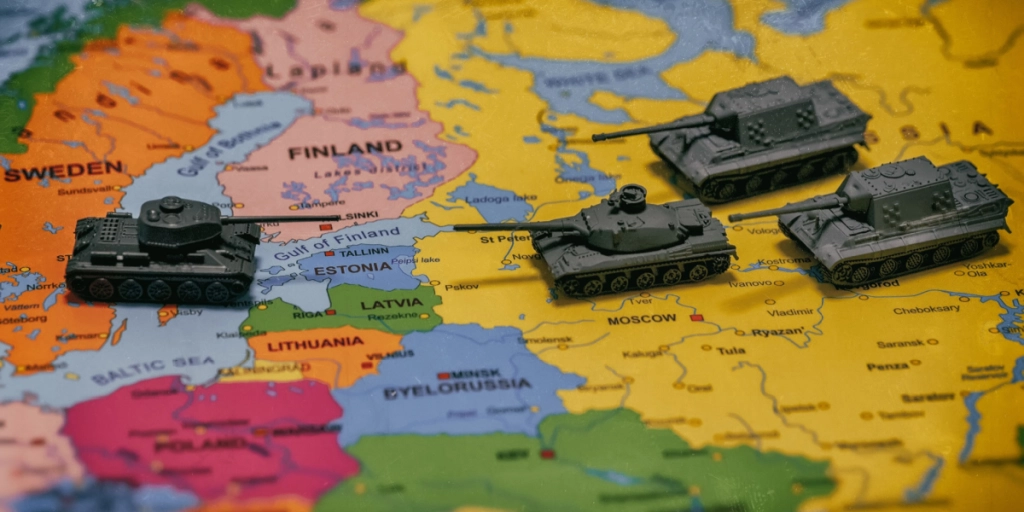
This all seems very familiar…

Moscow is turning up the heat on its northern neighbors once again.
In an interview with the Russian government-run newspaper, Rossiyskaya Gazeta, the head of Russia’s FSB Border Service, Vladimir Kulishov, targeted Finland and Estonia with sharp accusations, claiming both nations are ignoring long-standing agreements.
Kulishov stated that Finnish authorities built barriers “in places not provided for by the Treaty on the Regime of the Soviet-Finnish State Border of June 23, 1960.”
Estonia is also facing heat over its water borders. Kulishov alleged that Tallinn is attempting “to move away from compliance with the agreements on the delimitation of water areas of Lake Peipus and the Narva River.”


According to the security chief, these actions disrupt daily border operations. He warned that the sudden changes directly threaten the safety of local shipping lanes.
Echoes of the past
Friction has been building for months. Kulishov reported a surge in “provocative actions,” pointing to closed checkpoints and slashed operating hours. He noted that these tight measures “violate the rights and infringe upon the interests” of citizens.
Dialogue has broken down entirely. The border chief claimed that Russia’s warnings are being ignored, which “compels” Moscow to prepare “for various scenarios of events.”
This friction feeds into a larger military standoff. Arguing that the regional security landscape has “significantly escalated” under NATO, Kulishov accused Poland, Finland, and the Baltic nations of buying weapons and building bases.
In response to these perceived threats, Moscow is actively shifting its forces. The border chief confirmed Russia is beefing up its own military groupings “on the border with unfriendly states of Europe.”
Familiar legal steps
The tough talk aligns with rapid new lawmaking inside Moscow. On May 25, Vladimir Putin signed a law allowing the military to deploy abroad to protect citizens facing “their arrest, detention, criminal or other prosecution.”
This move feels deeply familiar. The Kremlin used similar legal justifications right before the annexation of Crimea in 2014 and the 2022 invasion of Ukraine.
Specifically, Russia repeatedly accused Ukraine of not implementing the Minsk agreements signed in 2014 and 2015, that were meant to establish a ceasefire and grant special status to the regions of Donetsk and Luhansk (which Russia claims as its own).
Simultaneously, the Russian Foreign Ministry announced plans to take the Baltic states to the International Court of Justice. Officials claim Estonia, Latvia, and Lithuania are targeting Russian speakers with a “punitive policy of repression and intimidation.”
Sources: The Moscow Times, Rossiyskaya Gazeta



