
 Kathrine Frich

Concerns are growing that virtual battlefields may be used to shape real-world narratives.

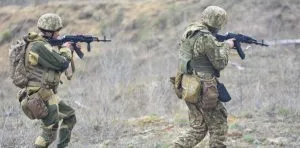
A popular gaming platform has come under scrutiny as analysts warn of hidden messaging embedded within entertainment content.
Emerging concerns
Analysts from Poland’s NASK Disinformation Analysis Center have identified alleged propaganda elements in a war-themed video game developed by Russian studio SPN.
According to the Polish Press Agency (PAP) cited by O2, the game references events from 2014 and the period between 2022 and 2024, tied to Russia’s invasion of Ukraine.
The title, released on Steam in May 2025, remains available despite being flagged. Its promotional slogan, “History as it is,” has drawn particular attention from researchers.


NASK says the content aligns with narratives commonly associated with Russian state messaging, raising concerns about its broader intent and reach.
Gameplay narrative
Bartosz Popadiak, a content verification analyst at NASK, told PAP that the game focuses on the perspective of Russian soldiers and veterans. Missions involve defending positions, seizing territory, and freeing hostages.
According to PAP, the game has also been recommended within Russian military circles as a tool for practicing infantry tactics.
Researchers note that such framing may subtly reinforce specific viewpoints while presenting them as immersive gameplay experiences.
Online ecosystems
NASK has also examined user activity around the game, including accounts claiming to be Polish that posted positive reviews. While only a small number were identified, analysts stress the importance of examining potential links between such profiles and wider networks.
Popadiak noted that determining users’ identities remains difficult, as platforms rely on self-declared data and pseudonyms.
Beyond Steam, attention has turned to platforms like Discord, where private servers and informal communication styles make monitoring more complex.
Hidden influence
Experts warn that humor, satire, and gaming culture could provide cover for more subtle forms of influence. “This satirical nature could be exploited in the future. Disinformation campaigns could be spread in very non-obvious ways,” Popadiak told PAP.
NASK is also reviewing Roblox, where users can create and share their own games. While no confirmed disinformation cases have been found there, the platform’s flexibility raises concerns about future risks.
Psychologist Dr. Jakub Kuś from SWPS University told PAP that gaming communities are particularly receptive environments due to shared interests and trust. “If we have a community passionate about war realism or history, a common language and aesthetic emerge. This is a good basis for introducing specific narratives,” he said.
He added that repeated exposure to certain messages can increase their perceived credibility over time.
Sources: Polish Press Agency (PAP), NASK, O2.



