
 Edith Hejberg

German Chancellor Friedrich Merz didn’t hold back. Speaking at a press conference, he said parts of the US strategy were “comprehensible,” others “understandable,”


In a recent interview, US President Donald Trump slammed European nations as “weak” and “decaying,” pointing to their immigration policies as proof of decline. He claimed Russia holds the “upper hand” in Ukraine and urged Ukrainian President Volodymyr Zelensky to “start accepting things.” These comments added fuel to an already strained relationship between Washington and its European allies.
A national security strategy that lands like a bomb in Europe

The Trump administration’s newly released national security strategy takes direct aim at Europe, blaming European leaders for obstructing peace in Ukraine.
The document accuses them of holding “unrealistic expectations for the war” and undermining democratic processes, language that European leaders quickly condemned as inflammatory and inaccurate.
Germany pushes back against Trump’s narrative

German Chancellor Friedrich Merz didn’t hold back. Speaking at a press conference, he said parts of the US strategy were “comprehensible,” others “understandable,” but some were flatly “unacceptable.”


He rejected the idea that Europe needs American guidance to defend democracy, marking a clear rebuke of Trump’s tone.
The Kremlin embraces Trump’s stance

Russian officials wasted no time praising the US document. Kremlin spokesperson Dmitry Peskov said it aligned with Russia’s worldview, emphasizing the need for “constructive” relations with the West.
This public endorsement shows how Moscow is seizing on Washington’s transatlantic discord to strengthen its own position.
A Russian diplomat joins the messaging campaign

Kirill Dmitriev, head of the Russian Direct Investment Fund, celebrated Trump’s criticism of Europe in a series of social media posts. Quoting Trump’s warning that Europe is heading in “very bad directions,”
Dmitriev amplified the message on X, despite the irony that Russia restricts access to such platforms at home.
Social media skirmishes intensify the rhetoric

The clash over free speech online escalated last week when EU regulators fined X $140 million.
Elon Musk responded by calling for the EU’s abolition, statements eagerly echoed by Russian voices. Yet while Russia blocks access to platforms like X, its officials freely use them to sway Western audiences.
Moscow’s strategy: Divide and destabilize
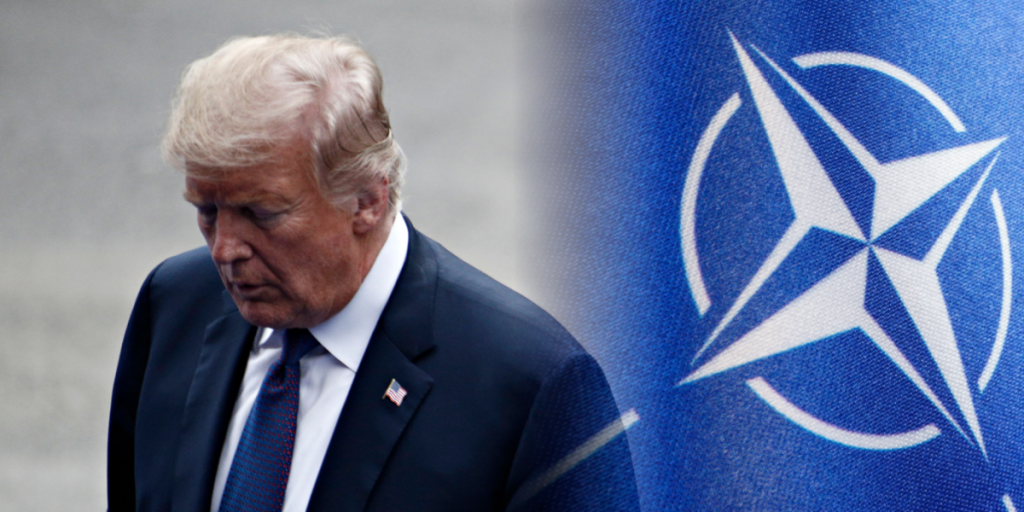
The broader Russian strategy is clear: erode European unity on Ukraine and undermine faith in NATO.
The Trump administration’s combative stance gives Moscow a new narrative to push, one that paints Europe as dysfunctional and the US as increasingly disengaged from its allies.
Echoes of earlier transatlantic tensions
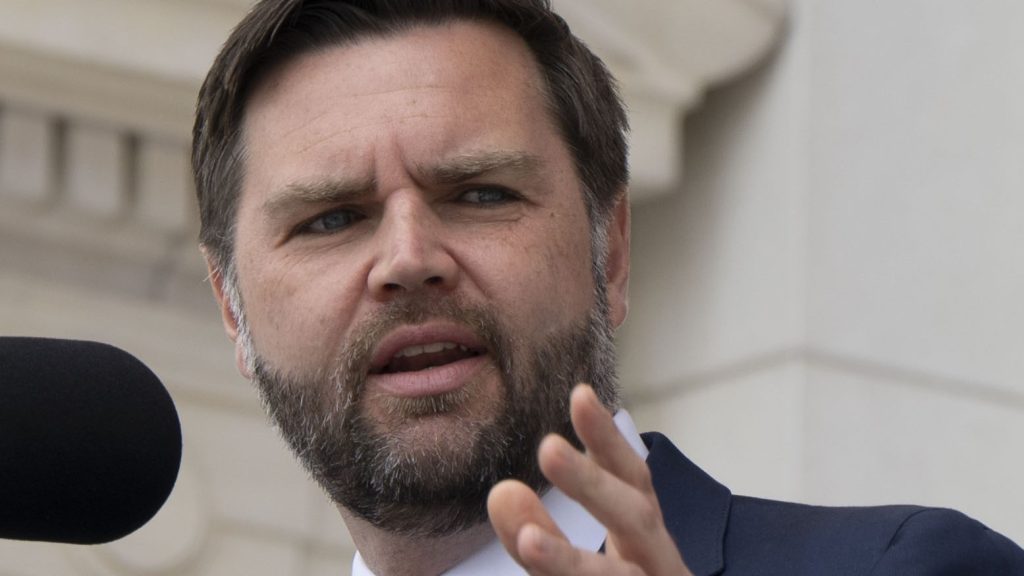
This isn’t the first time Trump’s foreign policy has rattled Europe. His administration’s latest strategy has drawn comparisons to the backlash after Vice President JD Vance’s speech in Munich earlier this year.
That moment, too, was met with glee in Moscow, especially after public rebukes of Zelensky by US officials.
Zelensky doubles down on European diplomacy

As US-EU tensions grow, Zelensky has been touring Europe, meeting with leaders in London, Paris, and Berlin to shore up support.
He’s also engaged with NATO and EU officials in Brussels, trying to ensure Ukraine isn’t left in the lurch amid the West’s growing fractures.
Russian threats become more explicit

While Ukraine presses for unity, Russia’s tone has turned darker. On state TV, political scientist Sergey Karaganov bluntly said, “We are at war with Europe,” not just Ukraine.
Though he doesn’t speak for the Kremlin, his rhetoric closely mirrors Putin’s increasingly aggressive posture.
Putin’s warning: ready for war with Europe

Just before meeting Trump’s emissaries in Moscow, Putin claimed Russia was “ready right now” for war with Europe, though not planning to start one.
It was a clear message: Russia wants Europe to feel the pressure. And with transatlantic unity faltering, that message hits harder than ever.
An information war playing out in plain sight

The Kremlin isn’t just counting on tanks, it’s counting on Twitter. Russian officials, pundits, and proxies are working to manipulate public opinion in both the US and Europe.
And as the Trump administration’s rhetoric grows more critical of America’s allies, it feeds directly into this strategy.
Europe braces for a turbulent alliance
With US leadership shifting and transatlantic trust under strain, Europe is left recalibrating.
Trump’s confrontational approach is not just reshaping American foreign policy, it’s giving Putin the political opening he’s long desired. And for now, the Kremlin seems all too happy to take it.



