Kathrine Frich
Ukraine and Russia share a long and complicated past.

Their histories are shaped by years of political unity, cultural ties and later conflict.
After the Soviet Union collapsed, relations began to break down. Tensions eventually led to Russia’s full-scale invasion of Ukraine in 2022.
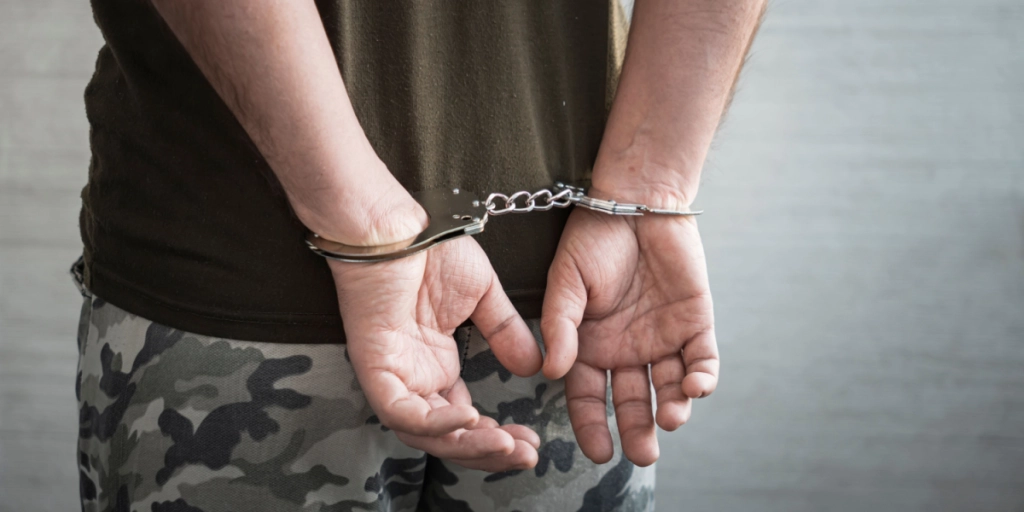
Amid the war, some Ukrainians chose to side with Moscow. A number of them are now in prison for treason, offering insight into how those loyalties formed.
Voices from prison
Viktoriia Khvil, 52, is serving a life sentence after giving Russia details about Ukrainian military positions in 2023. She said she was contacted by someone claiming to be an FSB officer and agreed to cooperate.


“He told me that if I wanted peace, I should help him. I asked him how I could be of service to him,” she said, according to The Times cited by Digi24.
Khvil said she admires Vladimir Putin and believes he improved life in Russia. “But I saw two films about Putin on the Rossiya 1 television channel. I admire him very much,” she said.
Rising convictions
Ukraine has seen a sharp increase in treason and collaboration cases. The Prosecutor General’s Office recorded 1,115 convictions last year.
Authorities also run a program called “Khochu k svoim,” allowing convicted collaborators to leave for Russia in exchange for Ukrainians held there. The Times reports that 70 people have joined the scheme since 2024.
A representative involved in the initiative said misinformation played a major role. “They believed the Russian narrative because of an inability to filter information, ignorance or just plain stupidity,” he said.
Beliefs and motives
Irina Landiga, 60, is also serving a life sentence. She repeated pro-Kremlin claims about Ukraine’s leadership and voiced strong support for Putin.
“Of course , he was in the KGB! That’s good! Putin is a good politician and a good man,” she said.
She also praised Soviet leader Joseph Stalin despite her family’s history of repression. “My grandfather was a traitor,” she said. “Stalin did the right thing!”
Exchange dilemmas
The exchange program has drawn criticism from human rights groups. They argue that collaboration laws can be too strict and may not reflect the pressures faced in occupied areas.
Officials reject that argument. “I cannot accept the expression ‘victim of circumstances,’” a program representative said.
“These people broke the law, were tried in a court of law, and answered before the courts.”
Some prisoners remain willing to return to Russia despite the risks. One inmate, 24-year-old Vladimir Muzik, said he would even agree to fight if required.
“Yes, if that’s the price of my freedom.”
Sources: The Times, Digi24.