Jens Asbjørn Bøgen
There has not been made a decision regarding boots on the ground yet, though.


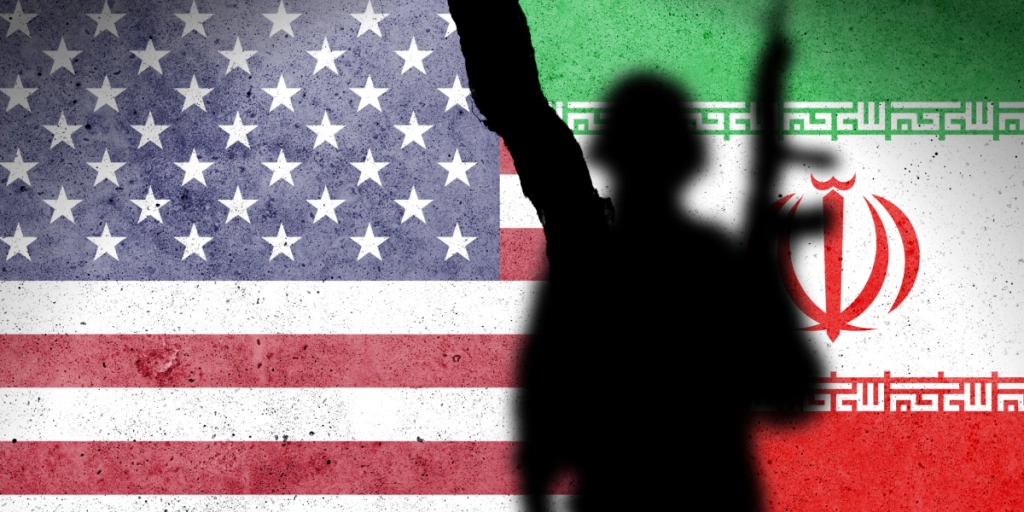
Tensions between Tehran and Washington are rising sharply amid new military movements in the Middle East.
A senior Iranian official has now delivered a blunt message aimed directly at American forces.
The warning comes as the United States prepares to increase its military footprint in the region, fuelling concerns about a broader confrontation.
Iran has responded with a direct and provocative statement, signalling readiness for a potential escalation.


Growing tensions
According to the semi-official government sponsored Iranian news agency, Mehr, Admiral Ahmadian, speaking on behalf of Supreme Leader Mojtaba Khamenei, said Iran has spent more than 20 years preparing for a conflict with the United States.
He described a long-term focus on asymmetric warfare designed to counter a technologically superior opponent.
He delivered a short but pointed message to U.S. troops: “Come closer.”
Ahmadian added: “For years, we’ve been awaiting the Americans’ entry into the designated points, and for over two decades, we’ve been training with the asymmetric warfare strategy for this very moment.”
US deployment plans
According to POLITCO, the Pentagon has approved the deployment of around 3,000 additional personnel to the Middle East. This includes naval forces assigned to the Tripoli Amphibious Ready Group.
The move follows a request from U.S. Central Command and reflects a significant military buildup in the region.
It is unclear, if a decision for boots on the ground has been made-
Escalation fears
The increased troop presence has raised the likelihood of direct engagement, particularly if ground forces are introduced into Iran.
U.S. Central Command stated this week that American operations have “destroyed more than 9,000 military targets” in Iran.
Click to display external content from t.co,
- You can always enable and disable third-party content.

You agree to display external third-party content. Personal data may be sent to the provider of the content and other third-party services.
Despite this, Iran has continued launching drone and ballistic missile attacks targeting Israel and nearby countries, underlining the ongoing intensity of the conflict.
Sources: Mehr, POLITICO, U.S. Central Command,