
 Lauge Risom Koch
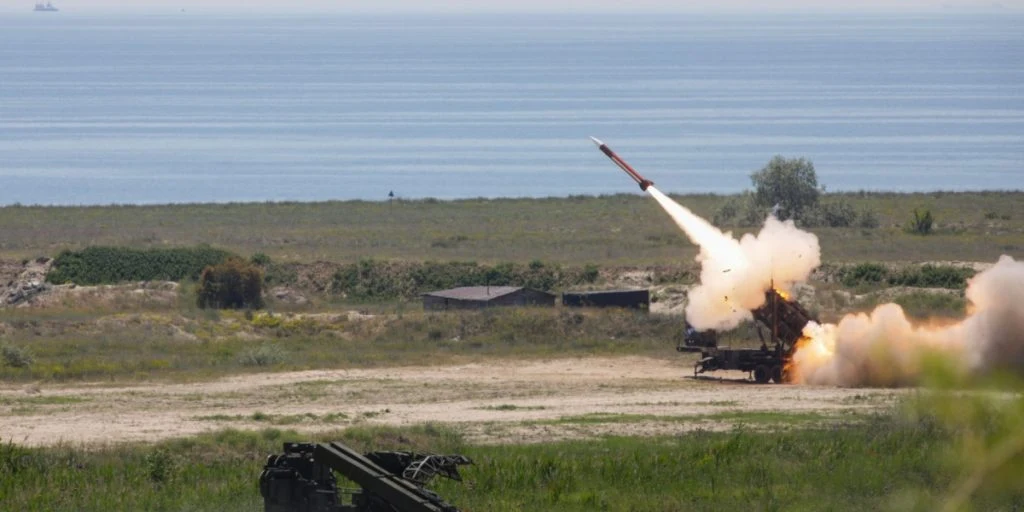
The United States has rejected a Ukrainian request for additional Patriot missiles, leaving the nation’s air defenses unable to stop a massive ballistic strike.


The United States has formally denied a direct appeal from Ukraine for several hundred additional Patriot missiles. This refusal comes just as Russian forces launched another devastating aerial assault that completely overwhelmed local defenses. The resulting civilian casualties have sparked urgent demands for new defense measures and stricter international sanctions.
A critical shortage of interceptors
Ukrainian President Volodymyr Zelenskyy personally requested the additional defense systems during a recent Oval Office meeting. However, reporting by United24 Media notes that US President Donald Trump rejected the plea due to heavily depleted military stockpiles. American officials explained that these interceptors are currently needed to defend facilities across the Middle East.
This strategic pivot highlights the growing strain on global military supply chains. The ongoing conflict involving Iran has consumed a massive portion of America’s precision-guided munitions. Because of these overseas commitments, Washington simply cannot spare the weapons necessary to shield Eastern European skies.
This lack of immediate support leaves key allied infrastructure dangerously exposed to aerial attacks. Without an adequate supply of Patriot interceptors, local forces cannot effectively stop high-speed ballistic threats. As United24 Media also highlighted, earlier statements from NATO officials indicated that long-term production agreements for these missiles will not happen before winter.


Devastating aerial bombardment
The severe consequences of this missile shortage became tragically clear during a massive Russian attack on August 5. The Ukrainian Air Force reported that their defense systems failed to intercept any of the 28 incoming missiles. According to United24 Media, the aggressive barrage included 24 ballistic missiles alongside four advanced anti-ship variants.
To complicate the defensive response, the invading forces deployed 115 attack drones during the strikes. While local units successfully stopped dozens of these drones, the high-speed ballistic weapons penetrated the defense completely. The primary focus of the coordinated strike was critical infrastructure and transportation networks in the capital region.
The inability to shoot down the incoming threats resulted in severe civilian casualties across the targeted areas. Government officials confirmed that the overnight bombardment killed 17 people and injured dozens of others. Emergency responders are continuing to clear debris from civilian facilities severely damaged by the undisputed strikes.
Urgent calls for sanctions
Following the deadly attack, the Ukrainian president issued an urgent appeal for immediate action. He argued that delays in providing anti-ballistic systems directly lead to horrific civilian casualties. If allies cannot deliver physical military hardware, they must instead impose severe economic restrictions on the opposing war machine.
The government is specifically demanding that the G7 and the European Union aggressively target the Russian ballistic missile industry. A significant portion of this advanced weapons manufacturing sector still operates without facing any international sanctions. Closing these financial loopholes would systematically degrade the enemy’s ability to produce these dangerous weapons.
This diplomatic push represents a crucial shift in strategy as physical ammunition supplies dry up globally. While military commanders stress that nothing replaces actual interceptors, strangling the supply chain offers a vital secondary defense. Until manufacturing can meet global demand, economic warfare remains the most immediate tool for protecting vulnerable cities.



