
 Kenneth Glad
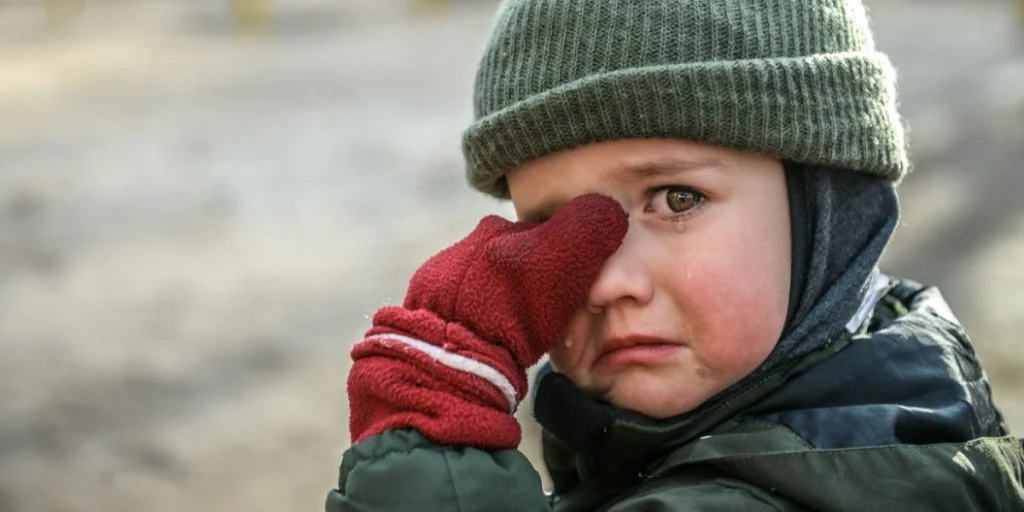
The impact of prolonged conflict on young populations is drawing increasing attention from researchers and policymakers. New evidence highlights the complex ways in which crisis environments can shape childhood development and wellbeing.


A major review in BMJ Global Health finds that years of conflict in Ukraine have quietly reshaped childhood, leaving lasting psychological effects alongside the visible destruction of war.
For many young people, the impact is unfolding not just in displacement, but in how they think, feel and cope each day.
The analysis draws on studies conducted between 2014 and 2024, offering a comprehensive overview of how the conflict, from its early phase to the 2022 escalation, has affected children and adolescents.
Mounting emotional toll
Researchers found that children exposed to the war experience a wide range of difficulties, including anxiety, depression, trauma-related symptoms and behavioural changes.


The review suggests a shift over time. Mental health problems appear more severe during the full-scale invasion compared with earlier years, pointing to the cumulative strain of prolonged conflict.
In several studies, particularly those involving clinical groups, very high levels of trauma symptoms were recorded.
Broader surveys, by contrast, show rising patterns of worry, sleep disruption and emotional distress across the general population.
Life under threat
Many children have lived through direct or indirect exposure to violence, from witnessing attacks to coping with damaged homes and constant uncertainty.
Millions of Ukrainians have been displaced, including large numbers of children. The analysis suggests that relocation, whether within Ukraine or across borders, is consistently linked to higher psychological strain.
Separation from parents and the loss of loved ones also emerge as critical stressors. These experiences can disrupt a child’s sense of safety and stability.
A shorter, sharper reality underpins these findings: For many, normal life has simply disappeared.
What helps and what harms
Still, not all children are affected in the same way. The review indicates that certain conditions can either intensify or ease the psychological burden.
Strong social support, stable surroundings and practical coping strategies were linked to better outcomes. Staying in familiar environments, where possible, appeared to reduce stress.
At the same time, risks were uneven. Girls more often reported emotional distress, while children with prior mental health difficulties or family pressures faced greater challenges.
Taken together, the findings point to both vulnerability and resilience. The authors emphasise the need for long-term research to track these effects and inform support systems for children growing up in conflict.
Sources Study by Silwal et al. published by BMJ Global Health (2026)



