
 Kenneth Glad
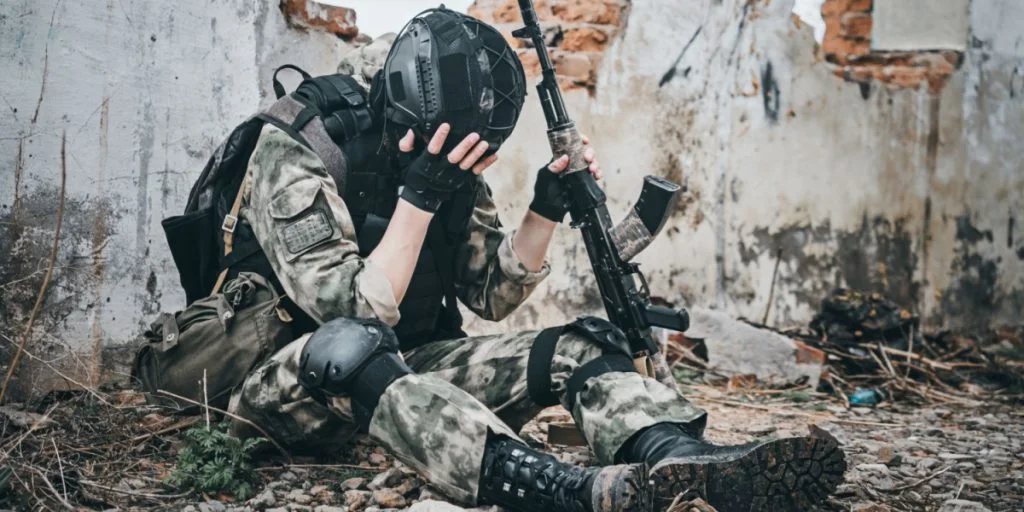
Individual experiences from conflict zones can vary widely, reflecting different roles and circumstances. Some accounts focus on how personal decisions are shaped under intense and uncertain conditions.


Accounts from the war in Ukraine rarely align neatly, but three recent investigations approach the same reality from different angles. Reporting based on interviews, fieldwork and documentary testimony, describes how some Russian soldiers move from recruitment to combat under conditions they say they did not expect.
Individually, the stories differ. Taken together, they point to recurring friction between what recruits are told, what they face in the field, and what awaits them afterward. Many of the claims remain difficult to verify independently.
Three perspectives on entry
United24 recounts the experience of a man who said he enlisted to avoid a prison sentence, expecting limited duties behind the lines. Over time, those expectations shifted as he was moved closer to active fighting.
A separate case documented by The New York Times follows Aleksandr Abbasov-Derskhan, who coincidentally joined after serving time in prison. He later questioned the decision, saying: “I risked my life, but it is unclear for what.”


The BBC‘s reporting is drawn from interviews filmed for a documentary. The soldiers the documentary crew spoke to were already deployed and focused less on why they joined than on what they encountered once they arrived.
These entry points differ, but each suggests that the gap between recruitment messaging and battlefield reality can be significant.
Control under fire
Once at the front, the accounts describe systems of control that go beyond formal orders. In BBC interviews, soldiers spoke about punishments for refusal, including killings they said were carried out on commanders’ instructions.
One recalled an execution happening within a few metres, summarising it in blunt terms: “click, clack, bang.”
The British broadcaster said it could not independently verify these claims, but noted that multiple interviewees described similar incidents, alongside references to repeated high-risk assaults.
From another angle, the United24 report describes what can happen to those who try to leave. A soldier who attempted to flee said he was detained and subjected to repeated punishment before being sent back. His account points to a system where discipline may depend heavily on individual commanders rather than consistent oversight.
Aftermath and consequences
What follows service varies sharply. The New York Times reports that Abbasov-Derskhan returned home seriously injured and now works long hours while disputing the benefits he received. His case reflects broader complaints cited by the newspaper from soldiers and families over compensation and status.
Others never return through official channels. According to United24, a soldier who had tried multiple times to escape ultimately crossed into Ukrainian-held territory and surrendered, saying: “I could no longer go back to my own side.”
Meanwhile, BBC interviewees described psychological strain after leaving the front, including persistent memories of violence.
These accounts do not offer a single, unified picture. Instead, they show how experiences can diverge depending on where a soldier enters the system, how orders are enforced, and whether they make it out at all. For some, the most decisive moment comes not in battle, but in choosing which risks to face.
Sources: United24, BBC, The New York Times



