
 Kathrine Frich
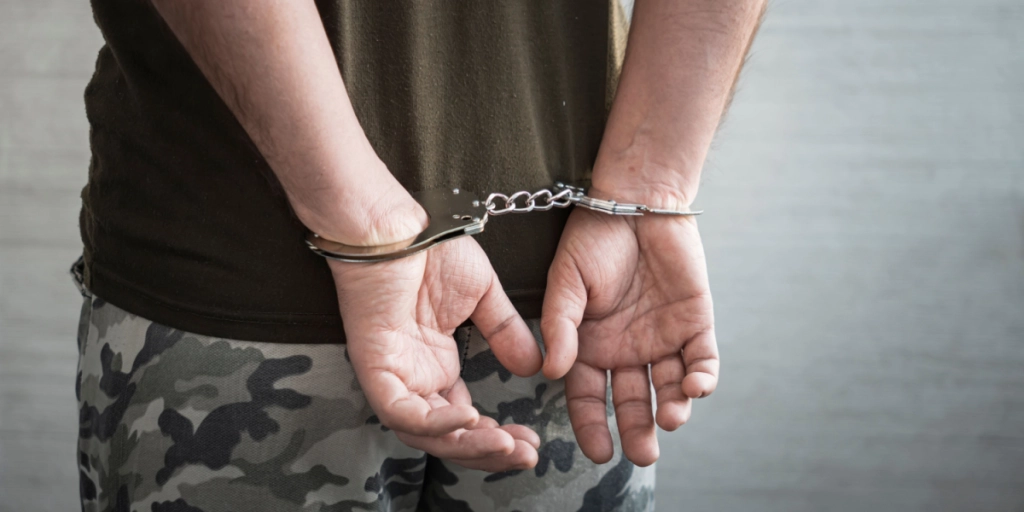
Soldiers go to war knowing death is a possibility. Capture is another risk, one that carries its own shadow.

But for some Ukrainian troops taken prisoner during Russia’s invasion, what awaited them behind bars proved far worse than they could have imagined.
Tatiana Kolesnychenko, a journalist with Wirtualna Polska and co-author of the book “Worms You Can’t Chew On,” spoke about the testimonies during the WP program “Newsroom.”
Starvation and survival
According to Kolesnychenko, the relentless lack of food often overshadowed even physical abuse in its psychological impact.
“Out of hunger, they started eating everything from toilet paper to soap,” she said, describing the conditions Ukrainian prisoners of war faced in Russian detention facilities.


While beatings and torture were widespread, she said starvation became an inescapable torment. “Hunger never leaves you. It drives you mad,” she explained.
Desperation led detainees to catch mice and even cultivate worms as a source of protein, she added.
“You can’t chew”
Recalling the testimony of Władysław Zadorin, a defender of Snake Island featured in the book, Kolesnychenko described the grim reality of survival.
“These worms must not be chewed because they are bitter. They must be swallowed immediately,” she said, recounting his words.
The warning became symbolic of captivity. “Remember: you can’t chew on worms.” Hunger in Russian captivity kills slowly.
Zadorin now lives in Poland and is expecting a child, Kolesnychenko noted, but freedom has not erased the trauma.
Trauma after release
The former prisoner continues to struggle with PTSD and intrusive memories from his time in detention.
Kolesnychenko said many released soldiers face similar psychological wounds, compounded by what she described as “survivor’s guilt.”
For some, returning home is emotionally complex, as they remain acutely aware that fellow servicemen are still being held in Russian prisons.
Documenting the reality
The book was co-authored by photojournalist Maciej Stanik, who has covered conflicts in Syria, Afghanistan and Nagorno-Karabakh.
Reflecting on his work in Ukraine, Stanik said the scale of the alleged abuses shocked him. “I didn’t expect that in the 21st century, the army of a large country would be capable of committing such war crimes,” he said.
Explaining his motivation for reporting from war zones, he added: “You want to show the reality you see as closely as possible to the truth. I want to give a voice to people who don’t have one,” the photojournalist argued.
Sources: Wirtualna Polska



