
 Kenneth Glad
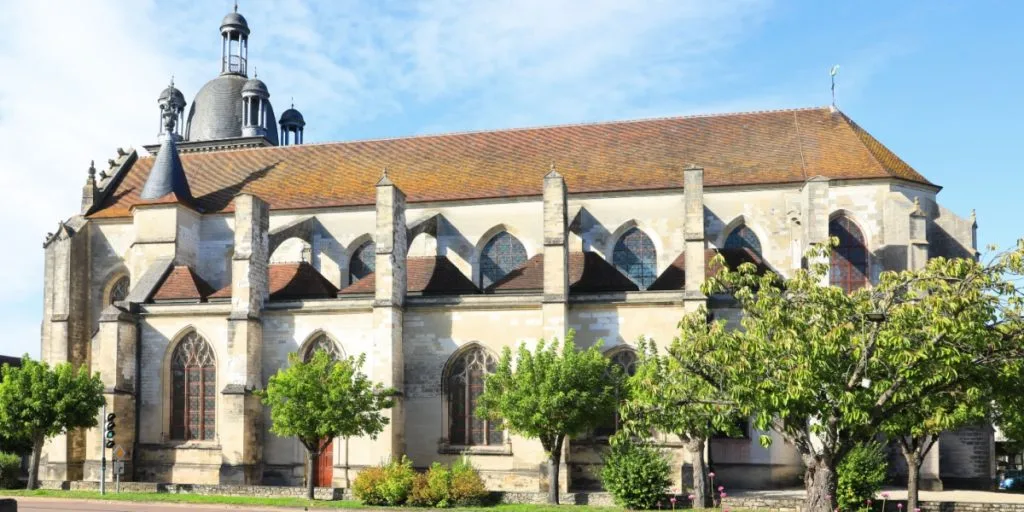
A local election has attracted attention for reasons beyond policy debates. The situation illustrates how minor details can draw wider interest.


In Arcis-sur-Aube, a quiet town in northeastern France, the mayoral election was expected to pass with little national notice. Instead, the first round has left voters with a tight three-way contest and an unexpected wave of attention.
According to Le Figaro, incumbent mayor Charles Hittler came out ahead in the initial vote, but without enough support to secure victory outright. His lead over Annie Soucat and Antoine Renault-Zielinski was narrow, leaving the outcome wide open ahead of the runoff.
Competing visions
Hittler has leaned on his experience in office, presenting himself as a steady hand. His campaign message, “Let’s act together for Arcis”, is paired with proposals focused on “strengthening ties between residents and their safety”, as reported by the French newspaper.
Soucat, not far behind in the first round, has tried to position herself as a bridge-builder. Her slogan, “Let’s build the future together for Arcis”, reflects a campaign centered on cooperation and long-term planning.


Meanwhile, Renault-Zielinski has taken a more development-oriented approach. Digi24 reports that he is promoting initiatives such as “support for rural tourism, authentic and respectful of territories”, drawing on his background as an entrepreneur.
The numbers from the first round were close enough that even small shifts in support could decide the result.
A detail that caught on
What has pushed this otherwise local race into wider conversation is the candidates’ surnames. As Le Figaro noted, their resemblance to well-known historical and political figures has not gone unnoticed.
It is a coincidence, and one that has little to do with the issues facing residents. Still, it has made this small-town vote easier to spot in a crowded news cycle.
Arcis-sur-Aube itself is no stranger to history. The town was the site of a Napoleonic battle in 1814, though today’s contest is far quieter, shaped by questions of local development, safety, and community life.
The second round will show whether voters opt for continuity, a new direction, or a compromise between the two.
Sources: Digi24, Le Figaro



