
 Kathrine Frich
Propaganda has long played a central role in Russia’s state messaging, from the Soviet era to the present day.

Media figures have often been used not just to inform, but to shape public opinion, reinforce political narratives and project strength toward foreign rivals.
Lately, that messaging has increasingly included references to military power and nuclear capability, often delivered through unexpected voices.
Chilling forecast
A Russian meteorologist has now sparked concern after claiming that weather conditions would be “favourable” for a nuclear strike on the UK.
Yevgeny Tishkovets, a former military officer who now appears on state television, made the remarks during a broadcast.


“By the way, the wind pattern today is favourable for the use of a full range of weapons, including even low-yield nuclear weapons,” he said according to Mirror.
Target named
During his comments, Tishkovets pointed to Farnborough in Hampshire as a potential target.
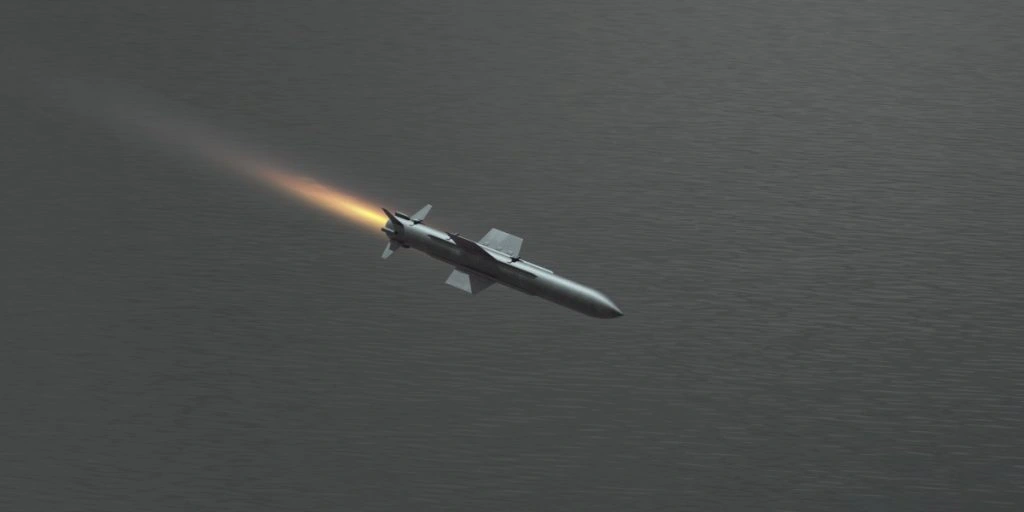
He linked the suggestion to Western support for Ukraine, particularly the use of long-range Storm Shadow missiles.
He also referenced a site in France, calling for strikes on facilities connected to weapons production.
Radiation warning
The forecaster went further by describing how weather patterns could influence the spread of nuclear fallout.
“Any radiation, any clouds, and so on – everything associated with [a nuclear explosion] – will be blown in a clear, broad direction toward European countries,” he said.
His remarks suggested that prevailing winds could carry radioactive effects across much of Europe.
Propaganda pattern
Tishkovets, who served for 20 years in the Russian army, has become known for blending weather reports with political commentary.
According to the Daily Express, he has repeatedly used broadcasts to promote pro-Kremlin views and comment on military developments.
His latest statements came after Ukrainian strikes on Russian targets, which he strongly criticised.
Sources: Daily Express, Daily Mirror.



